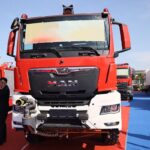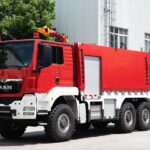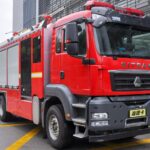

A 6×6 fire truck is one of the most powerful and specialized emergency vehicles available. Designed to operate in extreme environments such as wildland areas, industrial zones, airports, mines, and disaster locations, these trucks combine heavy-duty chassis performance, large water capacity, advanced pumping systems, and off-road mobility. Because they often work under severe conditions, regular servicing is essential to ensure reliability, safety, and long-term operational performance.
CSCTRUCK Fire Rescue Truck is a professional manufacturer specializing in the design and production of various firefighting vehicles, including 6×6 fire trucks, airport rescue firefighting vehicles, water tank fire trucks, foam fire trucks, aerial platform trucks, and special emergency response vehicles. With advanced manufacturing technology and customization capabilities, CSCTRUCK Fire Rescue Truck offers fire rescue solutions tailored to various industries and countries, enabling firefighting departments to maintain rapid response capabilities in challenging environments.
For a 6×6 fire truck, maintenance frequency depends on factors such as operating environment, annual mileage, engine hours, workload, and manufacturer recommendations. However, a professional maintenance schedule usually includes daily inspections, routine servicing, quarterly checks, and comprehensive annual inspections.
Daily and Pre-Operation Inspections
Because fire trucks must be ready for emergency deployment at any time, daily inspections are the first and most important maintenance step. Before each shift or operation, drivers and operators should perform a basic inspection to identify potential problems.
A daily inspection of a 6×6 fire truck normally includes:
- Checking engine oil level and coolant level
- Inspecting hydraulic fluid and transmission fluid
- Checking tire pressure and tire condition
- Testing warning lights, sirens, and communication equipment
- Checking fuel level and battery condition
- Inspecting water tanks, foam tanks, and piping systems
- Testing pump controls and valves
- Confirming firefighting equipment is properly stored
The inspection should also include a visual check of the chassis, suspension system, steering components, and drivetrain. A 6×6 truck operates with three powered axles, meaning the differential systems, drive shafts, and suspension components experience significant stress during off-road operation.
Industry guidance for fire apparatus recommends regular inspections, including checks before returning vehicles to service after use or repairs.

Monthly Maintenance Checks
For a 6×6 fire truck that operates frequently, monthly maintenance checks help identify wear before it becomes a major failure.
Important monthly service items include:
1. Engine and Powertrain Inspection
The engine is the heart of the fire truck. Technicians should inspect:
- Engine oil quality
- Oil filters
- Fuel filters
- Air intake system
- Cooling system
- Turbocharger condition
- Exhaust system
Heavy-duty diesel engines used in 6×6 fire trucks often operate under high loads, especially when driving through mud, sand, steep terrain, or extreme weather. Regular engine checks help maintain fuel efficiency and prevent unexpected breakdowns.
2. Drivetrain and Axle Maintenance
The 6×6 configuration provides excellent traction by powering all six wheels. However, it also increases mechanical complexity.
Maintenance should include:
- Checking axle oil levels
- Inspecting differential systems
- Checking drive shafts and universal joints
- Inspecting transfer case operation
- Checking gearbox performance
If the truck frequently operates in off-road environments, drivetrain inspections may need to be performed more often.
3. Tire and Suspension Checks
A fully equipped 6×6 fire truck can weigh tens of tons when carrying water, foam, rescue equipment, and tools. Tire and suspension systems carry extremely high loads.
Technicians should inspect:
- Tire wear patterns
- Sidewall damage
- Wheel alignment
- Suspension springs
- Shock absorbers
- Air suspension components (if equipped)
Proper tire maintenance is especially crucial because tire failure during emergency operations can significantly impact response capability.
Quarterly or Every 3,000–5,000 Kilometers Service
Many operators schedule more detailed maintenance every 3 to 6 months, depending on usage. High-frequency emergency vehicles may require shorter intervals.
Quarterly servicing typically includes:
Engine Oil and Filter Replacement
Engine oil should be replaced according to the chassis manufacturer’s recommendations. Frequent operation, long idling periods, and dusty environments can shorten oil life.
Brake System Inspection
A 6×6 fire truck carries heavy loads and requires reliable braking performance.
Technicians should inspect:
- Brake pads or brake linings
- Air brake pressure
- Brake chambers
- Brake hoses
- ABS
Pump System Testing
The firefighting pump is one of the most critical components of the vehicle.
Pump maintenance includes:
- Checking pump pressure output
- Inspecting seals and valves
- Testing water flow performance
- Cleaning filters
- Checking foam proportioning systems
A truck may have a powerful engine and excellent mobility, but without a reliable pump system, firefighting effectiveness is reduced.

Annual Comprehensive Maintenance
At least once every year, a 6×6 fire truck should receive a complete professional inspection and preventive maintenance service. Many fire departments perform annual inspections following recognized fire apparatus maintenance practices.
Annual maintenance usually covers:
Chassis Inspection
- Frame inspection
- Steering system testing
- Suspension examination
- Electrical system testing
- Corrosion inspection
Firefighting Equipment Testing
- Water tank inspection
- Foam tank inspection
- Pump performance testing
- Hose inspection
- Monitor and nozzle testing
- Valve operation checks
Safety System Inspection
- Emergency lighting
- Alarm systems
- Cab safety equipment
- Communication devices
- Firefighter equipment storage
Annual inspections help ensure that the vehicle remains compliant with operational requirements and ready for emergency missions.
Maintenance After Extreme Operations
A 6×6 fire truck is often used in environments where ordinary vehicles cannot operate. After missions involving extreme conditions, additional maintenance should be performed.
Examples include:
Wildfire Operations
After wildfire response, technicians should inspect:
- Air filters
- Cooling systems
- Electrical components
- Tires
- Underbody areas
Ash, dust, and high temperatures can accelerate component wear.
Flood or Mud Operations
After operating in water or mud:
- Clean the chassis thoroughly
- Inspect wheel bearings
- Check brakes
- Replace contaminated lubricants if necessary
Industrial Emergency Operations
Exposure to chemicals or corrosive materials requires careful cleaning and inspection of metal components, tanks, and piping systems.

Factors That Affect Service Frequency
The ideal maintenance schedule for a 6×6 fire truck depends on several factors:
Operating Environment
A truck used in deserts, mountains, forests, or mining areas requires more frequent inspections than one operating mainly on paved roads.
Usage Frequency
A rescue vehicle responding to emergencies every day will require more maintenance than a backup truck used occasionally.
Engine Hours
Fire trucks often spend long periods idling while operating pumps or emergency equipment. Engine hours can be more important than mileage when planning maintenance.
Vehicle Age
Older 6×6 fire trucks usually require closer monitoring of electrical systems, seals, suspension components, and drivetrain parts.
Recommended Maintenance Schedule for a 6×6 Fire Truck
| Maintenance Item | Recommended Frequency |
|---|---|
| Daily inspection | Before every operation |
| Basic fluid and equipment check | Weekly |
| Tire, brake, and drivetrain inspection | Monthly |
| Oil and filter service | According to manufacturer recommendations |
| Pump system testing | Quarterly or based on usage |
| Complete vehicle inspection | Every year |
| Major component overhaul | Based on the condition and service life |

Conclusion
A 6×6 fire truck is a mission-critical emergency vehicle that must perform reliably under extreme conditions. Regular maintenance is not only about extending vehicle lifespan but also about ensuring firefighter safety and successful emergency response.
In general, a 6×6 fire truck should be inspected daily, serviced regularly according to operating hours and mileage, and receive a comprehensive professional inspection at least once a year. Following a strict preventive maintenance program helps protect the engine, drivetrain, firefighting systems, and rescue equipment.
With advanced engineering, durable chassis options, and customized firefighting solutions, CSCTRUCK Fire Rescue Truck supports emergency organizations worldwide with reliable 6×6 fire trucks designed for demanding firefighting missions. Proper maintenance combined with high-quality vehicle construction ensures these powerful firefighting machines remain ready whenever they are needed most.