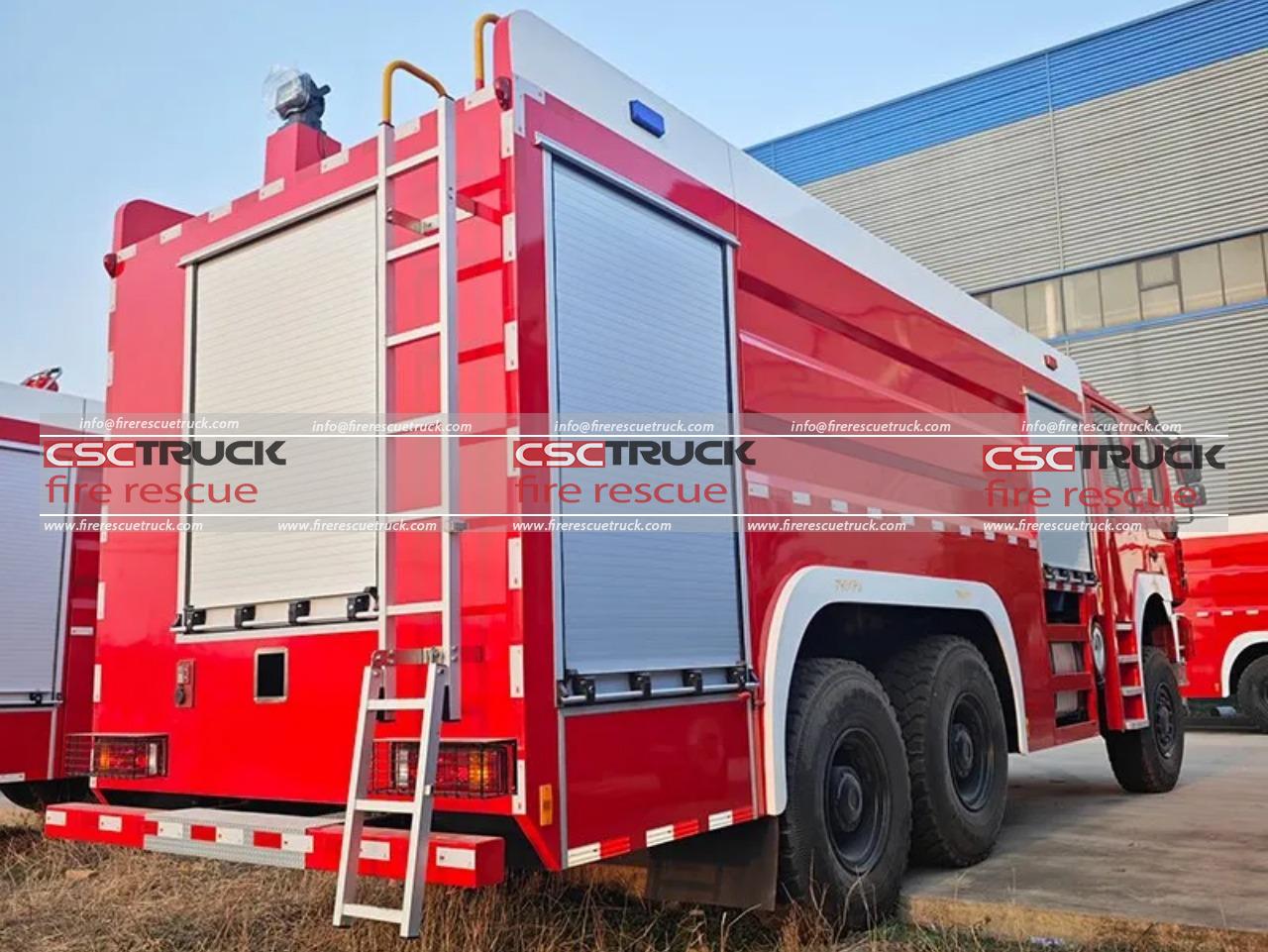
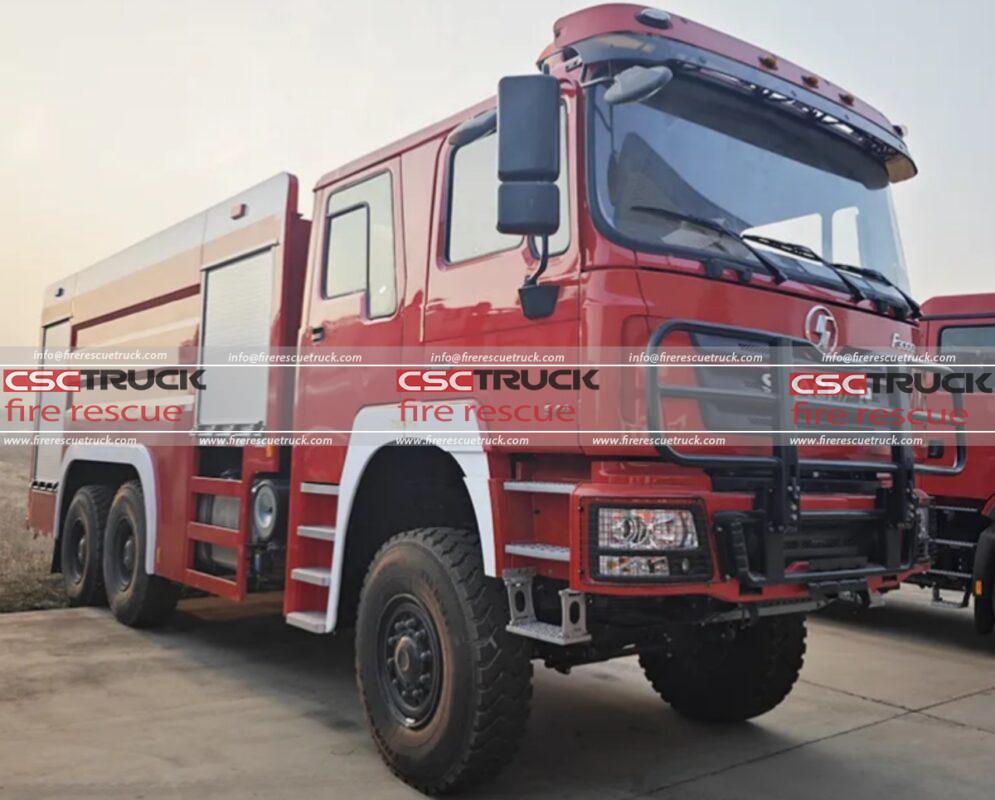
Water tenders, also known as fire tankers in some regions, are among the most important vehicles in modern firefighting operations. Their primary purpose is to transport large quantities of water to fire scenes where hydrants or other reliable water sources are unavailable. Water tenders are especially critical in rural communities, wildland firefighting operations, industrial facilities, and remote locations. One of the most common questions fire departments and buyers ask is: How much water can a water tender hold?
The answer depends on the design, size, chassis configuration, and intended application of the vehicle. In general, water tender capacities range from approximately 500 gallons (1,900 liters) to over 5,000 gallons (18,900 liters), with some specialized units carrying even larger volumes.
Introduction to CSCTRUCK Fire Rescue Truck
As a leading manufacturer of specialized firefighting vehicles, CSCTRUCK Fire Rescue Truck offers a wide range of water tenders, fire engines, foam fire trucks, airport rescue vehicles, and emergency response apparatus. The company designs customized firefighting solutions to meet the needs of municipal fire departments, industrial fire brigades, airport authorities, and wildland firefighting agencies worldwide.
CSCTRUCK Fire Rescue Truck water tenders are built using durable tank materials such as stainless steel, aluminum, or polypropylene and can be configured with various pump capacities, hose systems, and rapid-dump mechanisms. These vehicles are designed to maximize water transportation efficiency while maintaining safety and maneuverability in challenging operating environments.
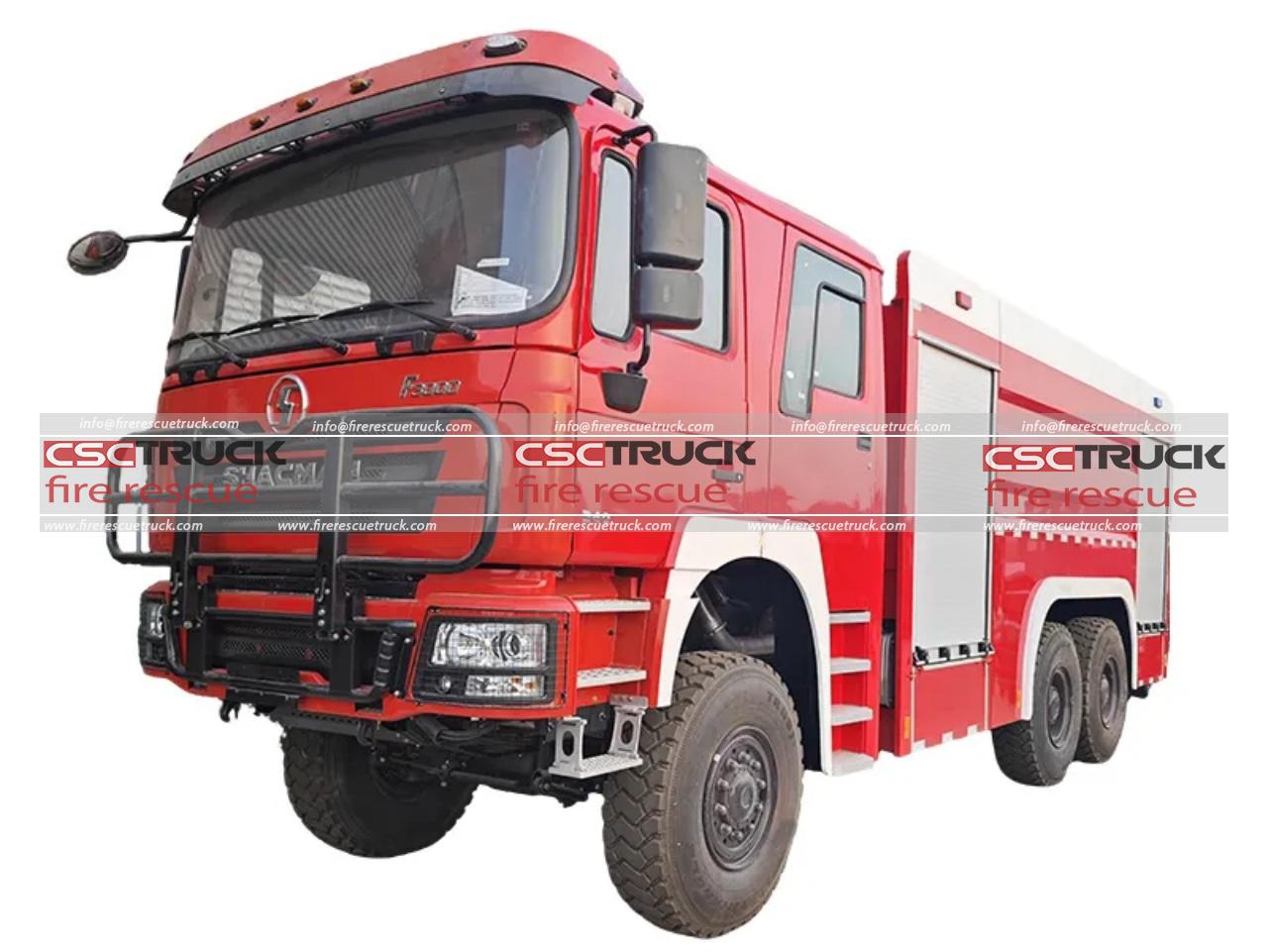
What Is a Water Tender?
A water tender is a firefighting vehicle specifically designed to carry and deliver water to emergency scenes. Unlike traditional fire engines that focus on pumping operations, water tenders prioritize water storage capacity. They serve as mobile water reservoirs that support firefighting efforts where hydrants are unavailable or insufficient.
Water tenders are commonly used for:
- Rural structure fires
- Wildland and forest fires
- Industrial firefighting operations
- Emergency water shuttle services
- Disaster response situations
Many tenders are equipped with pumps, hose reels, portable tanks, and quick-dump systems that allow rapid water transfer to other firefighting apparatus.
Typical Water Tender Capacities
Small Water Tenders
Small water tenders typically carry between 500 and 1,000 gallons (1,900–3,800 liters) of water. These vehicles are often mounted on compact chassis and are designed for areas with narrow roads, steep terrain, or limited access.
Advantages include:
- Excellent maneuverability
- Lower acquisition and operating costs
- Faster response times
- Suitable for wildland firefighting
These units are commonly used in mountainous regions and urban-wildland interface zones.
Medium Water Tenders
Medium-sized water tenders generally carry between 1,000 and 3,000 gallons (3,800–11,400 liters) of water. This category represents the most common water tender configuration used by fire departments worldwide.
Benefits include:
- Balanced water capacity and mobility
- Versatility for various firefighting scenarios
- Reduced refill frequency
- Efficient support for fire engines
Many municipal and volunteer fire departments prefer tenders in this size range because they provide sufficient water while remaining relatively easy to operate.
Large Water Tenders
Large-capacity water tenders can carry between 3,000 and 5,000 gallons (11,400–18,900 liters) or more. These vehicles are designed for major water shuttle operations and extended firefighting incidents.
Typical applications include:
- Large wildfires
- Industrial facilities
- Mining operations
- Airports
- Remote rural communities
Some fire departments report operating tenders carrying approximately 4,000 gallons to support areas without hydrant infrastructure.
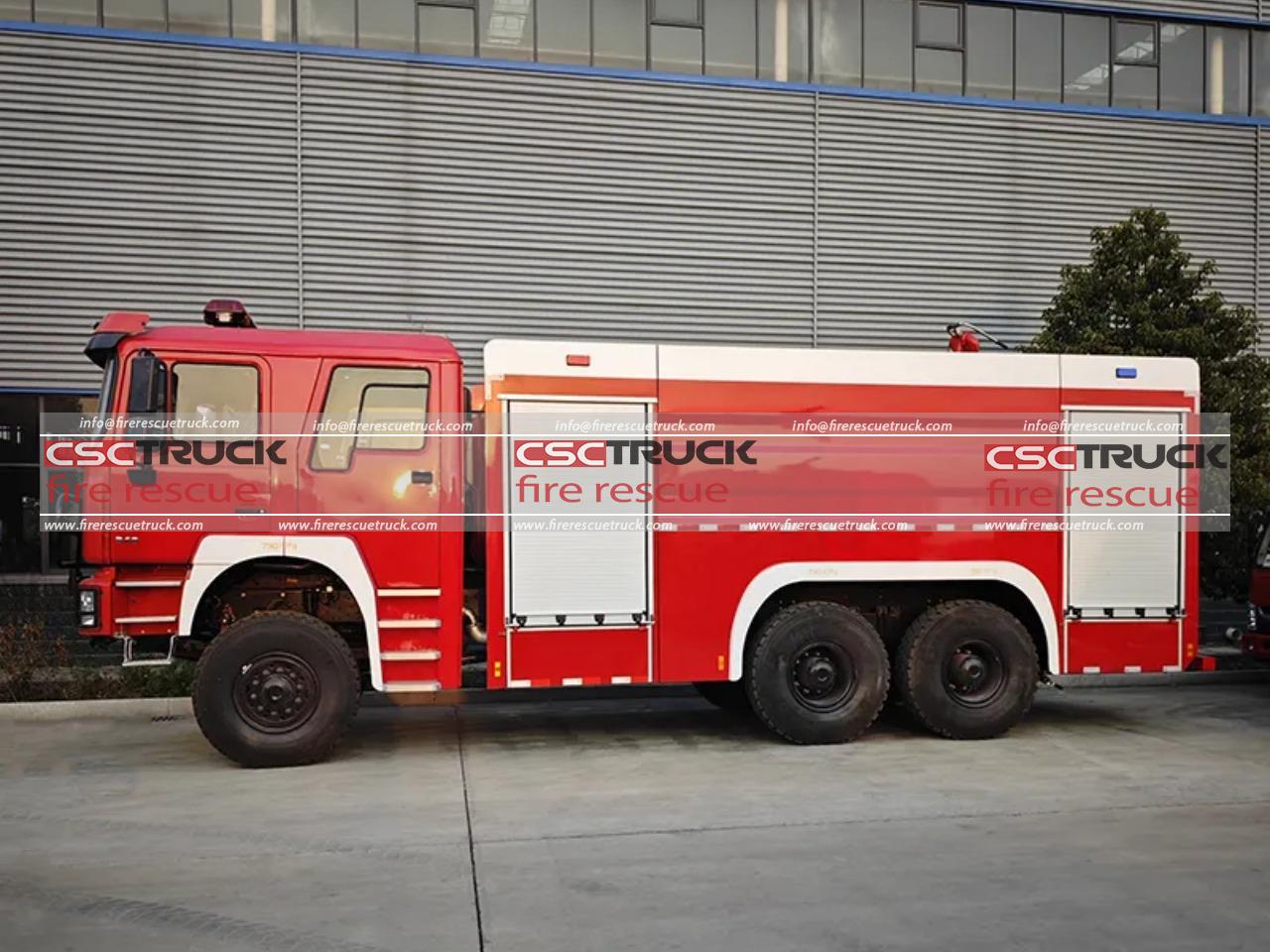
Factors That Determine Water Capacity
Vehicle Chassis
The chassis is one of the most important factors influencing water capacity. Water weighs approximately 8.34 pounds per gallon (1 kilogram per liter), meaning a 3,000-gallon tender carries more than 25,000 pounds of water alone.
Larger tanks require:
- Heavy-duty frames
- Reinforced suspension systems
- Additional axles
- Higher Gross Vehicle Weight Ratings (GVWR)
Road Regulations
Local road weight restrictions often determine how much water a tender can legally transport. Fire departments must ensure compliance with axle load limits and transportation regulations.
Operational Requirements
Different regions have different needs. Departments located far from reliable water sources often choose larger-capacity tenders, while agencies operating in rugged terrain may prioritize smaller, more agile vehicles.
Safety Features in Modern Water Tenders
Transporting thousands of gallons of water presents unique challenges. Water movement inside the tank can affect vehicle stability, especially during sudden braking or turning.
To address this issue, modern water tenders incorporate:
- Internal baffle systems
- Low center-of-gravity tank designs
- Anti-surge compartments
- Reinforced tank structures
- Electronic stability systems
These features help maintain safe vehicle handling even when operating at maximum capacity.
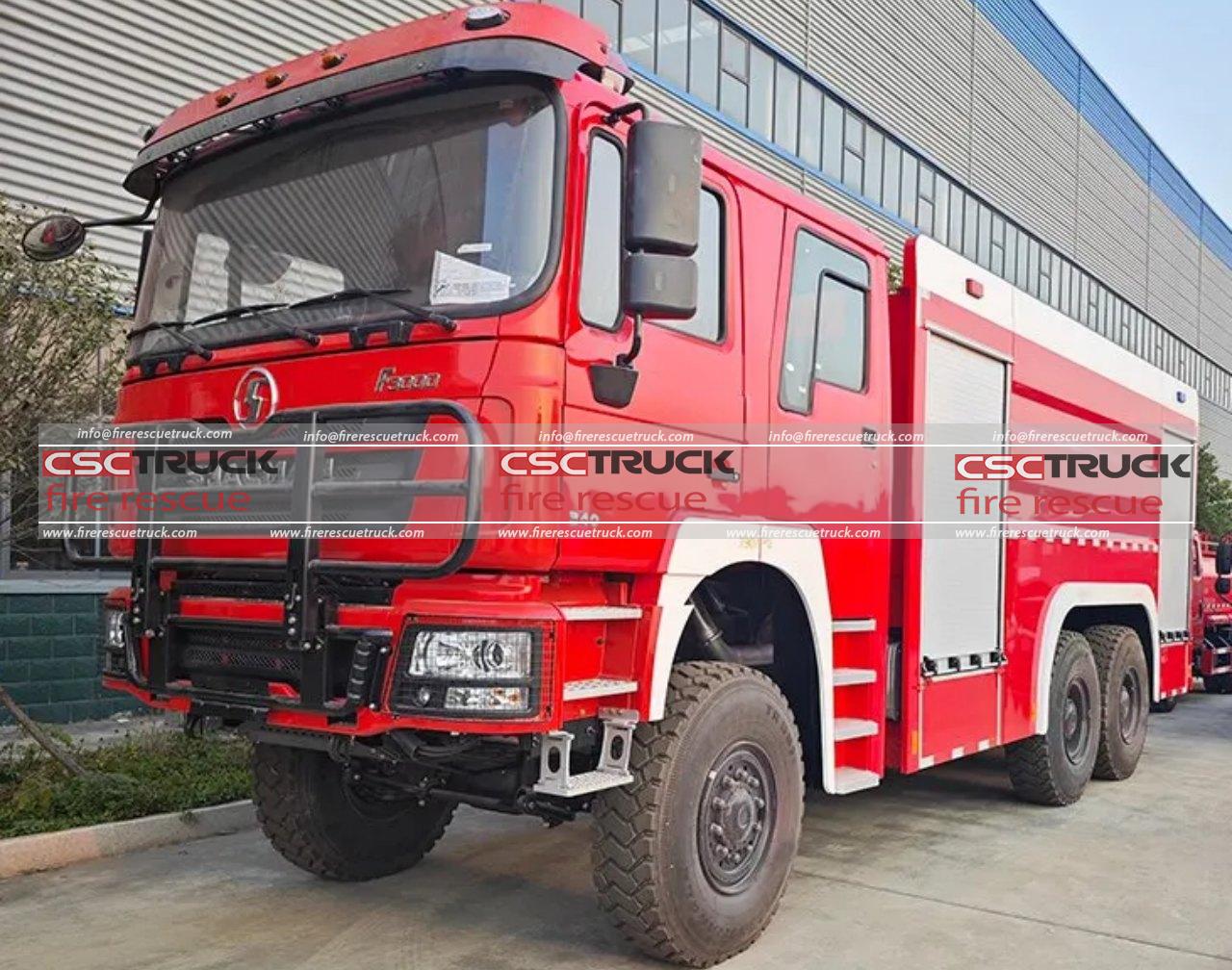
Water Shuttle Operations
One of the most important functions of a water tender is participation in water shuttle operations. In these operations, multiple tenders continuously transport water from a source such as a pond, lake, hydrant, or portable reservoir to the fire scene.
Portable folding tanks are often deployed to create temporary water reservoirs. Water tenders rapidly dump their loads and return for refilling, ensuring a continuous water supply for fire engines. This strategy is essential in rural firefighting environments where hydrants are unavailable.
Choosing the Right Water Tender Capacity
When selecting a water tender, fire departments should evaluate:
- Response area size
- Distance to water sources
- Road conditions
- Population density
- Typical fire risks
- Budget constraints
For many departments, a 2,000- to 3,000-gallon water tender provides the ideal balance between capacity and maneuverability. Larger units may be more suitable for industrial facilities, airport operations, and regions with extensive rural coverage.
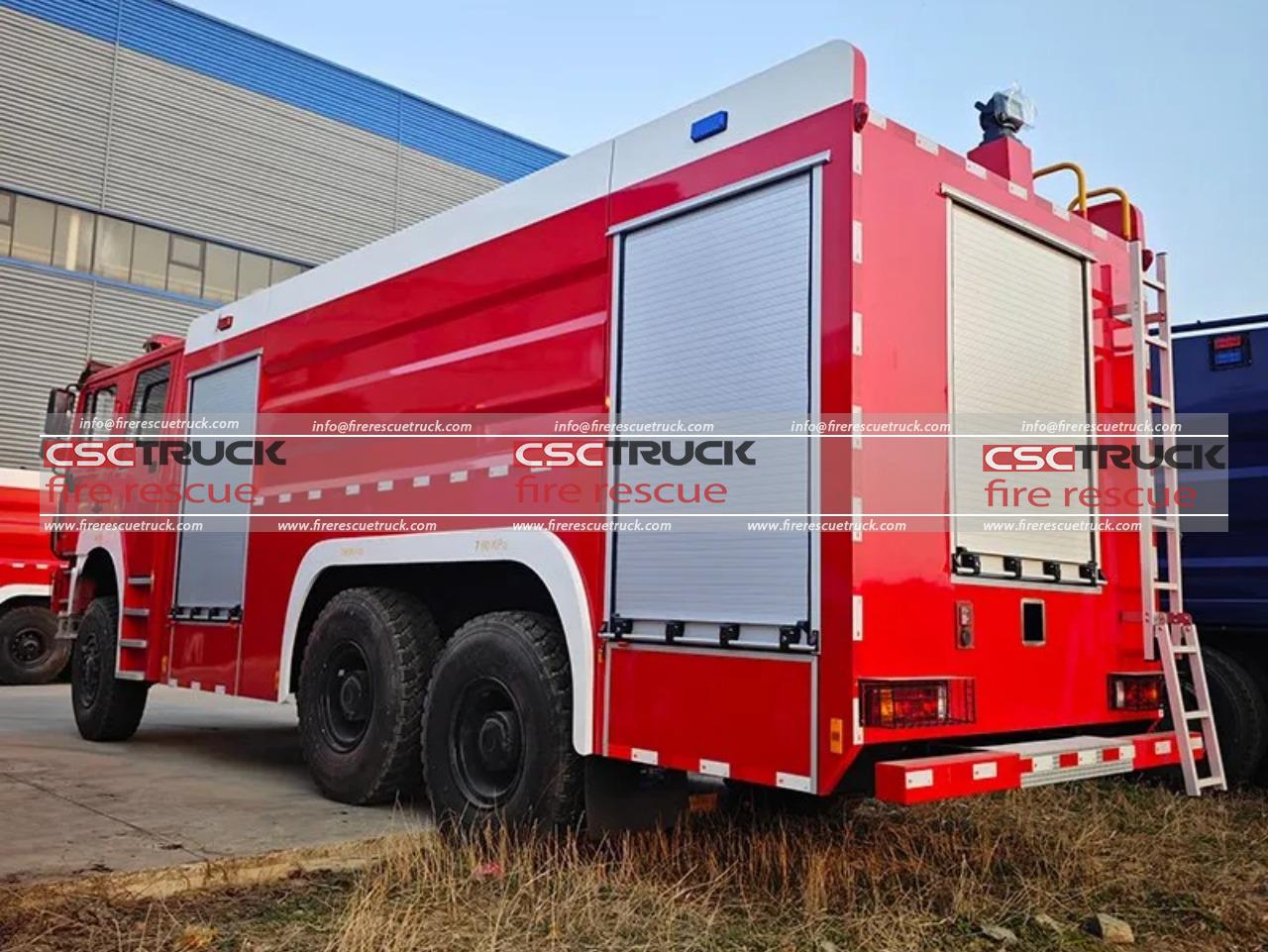
Conclusion
So, how much water can a water tender hold? The answer varies significantly depending on its design and mission. Small tenders may carry as little as 500 gallons, while large specialized units can exceed 5,000 gallons. Most standard firefighting water tenders typically operate within the 1,000- to 3,000-gallon range, offering an effective combination of capacity, safety, and operational flexibility.
Manufacturers such as CSCTRUCK Fire Rescue Truck continue to develop advanced water tender solutions that meet the evolving needs of fire departments worldwide. Whether supporting rural firefighting operations, wildland fire suppression, or industrial emergency response, water tenders remain indispensable assets in ensuring a reliable water supply when and where it is needed most.