
Fire emergencies in industrial environments and chemical facilities pose unique challenges. Unlike ordinary fires, chemical and hazardous substance fires can escalate rapidly, releasing toxic gases, causing explosions, and endangering both human life and valuable assets. To effectively combat such incidents, standard water-based firefighting systems often fall short. This is where dry powder fire trucks come into play. Designed specifically for chemical and hazardous fires, these vehicles are equipped with specialized systems and materials that ensure rapid, effective, and safe fire suppression in the most demanding scenarios.
What is a Dry Powder Fire Truck?
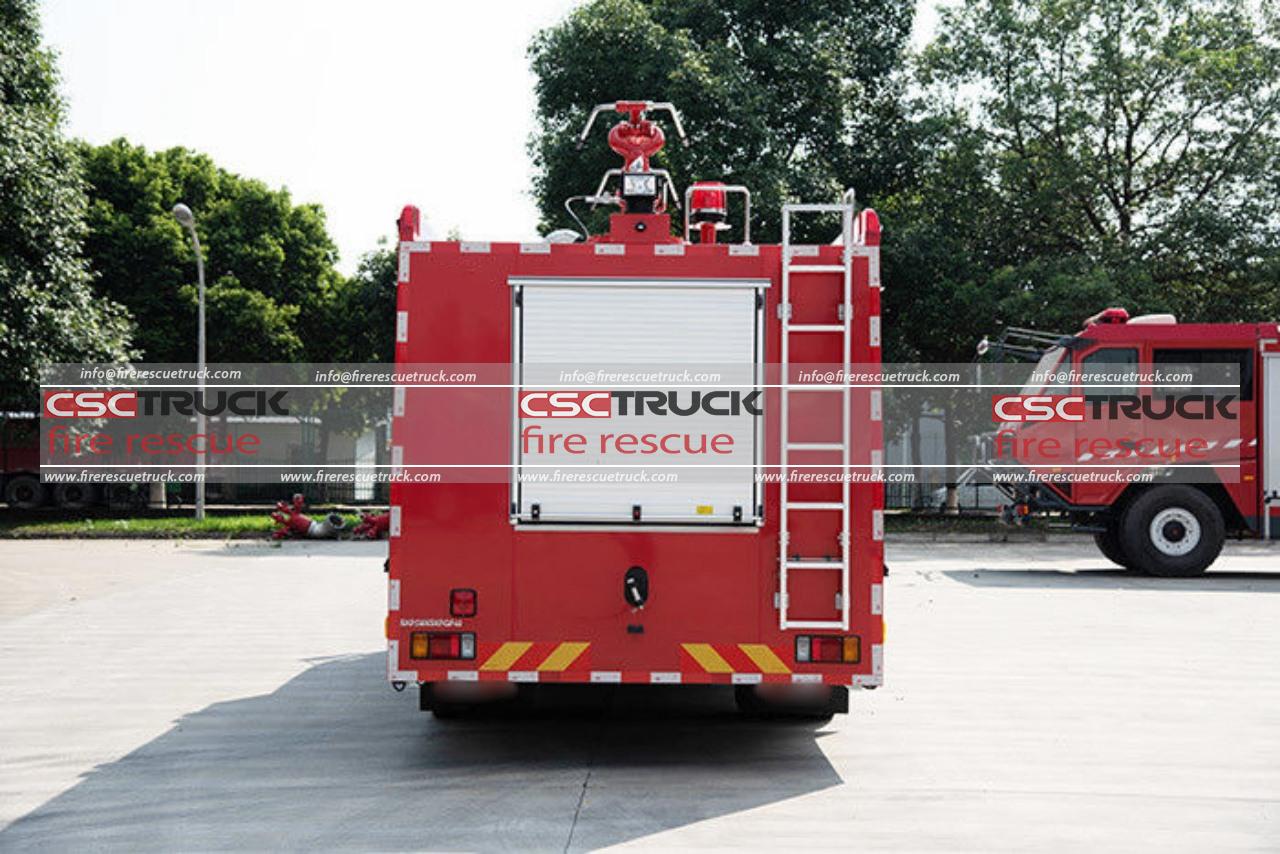
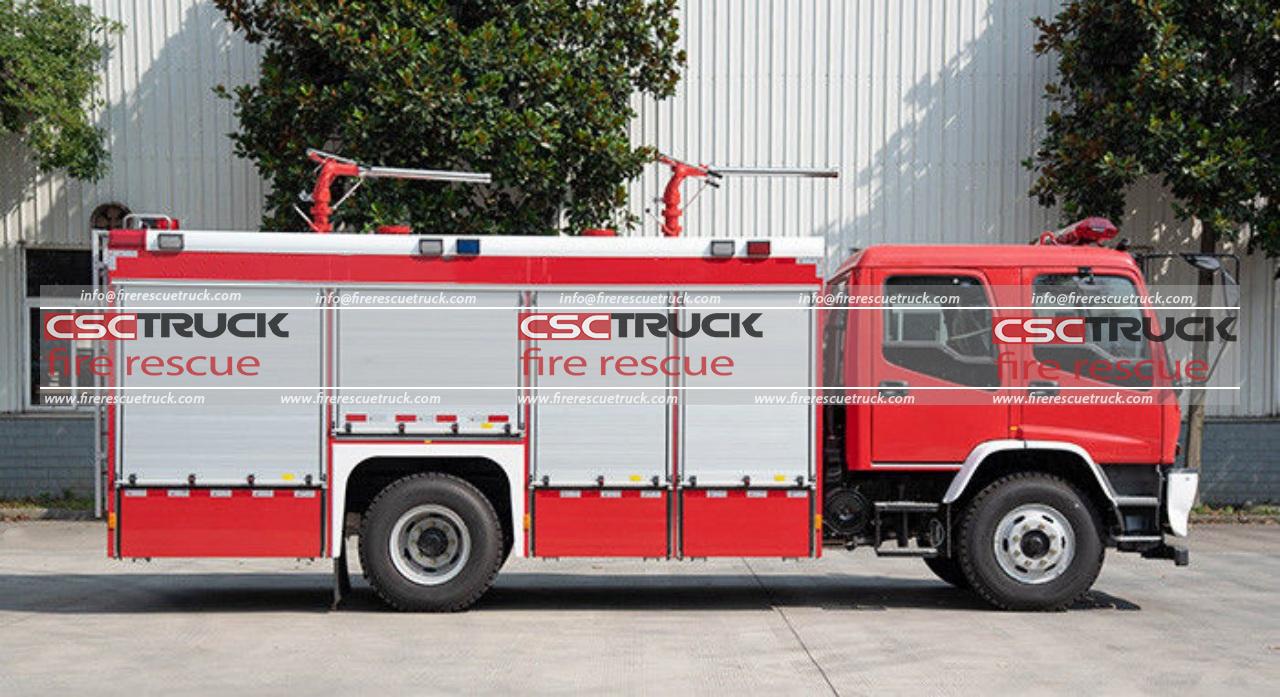
A dry powder tanker fire truck is a type of specialized firefighting vehicle equipped with a pressurized dry powder fire extinguishing system. Unlike water or foam-based fire trucks, these vehicles carry solid chemical agents capable of rapidly smothering fires, particularly those involving flammable liquids, gases, and reactive chemicals. Industrial-grade dry powder fire trucks are built to meet stringent safety and performance standards, making them essential assets for industrial plants, chemical factories, oil depots, and hazardous material storage facilities.
The primary advantage of dry powder systems is their versatility and effectiveness against Class B (flammable liquids) and Class C (flammable gases) fires, as well as certain metal fires (Class D) that are common in chemical processing industries. This makes dry powder fire trucks indispensable for environments where water or foam would be ineffective or even dangerous.

Key Features of Industrial-Grade Dry Powder Fire Trucks
Industrial-grade dry powder fire trucks are engineered for durability, high performance, and rapid response. Some of the key features include:
1. High-Capacity Dry Powder Tanks
These trucks are equipped with robust storage tanks designed to hold large quantities of dry powder extinguishing agents, typically ranging from 2,000 kg to 4,000 kg per unit. High-capacity tanks ensure that firefighters can tackle extensive chemical fires without the risk of running out of extinguishing material mid-operation. The tanks are usually made from high-strength pressure vessel steel, capable of withstanding internal pressures up to 1.5 MPa.
2. Efficient Pressurization Systems
To deploy the dry powder rapidly, these fire trucks utilize pressurized systems often powered by nitrogen gas. The nitrogen bottles, designed to withstand pressures of up to 15 MPa, enable the dry powder to be ejected forcefully and evenly, ensuring that fires are extinguished quickly and safely. The use of nitrogen also minimizes the risk of contamination or chemical reaction with the fire source.
3. Advanced Pumping and Delivery Mechanisms
Industrial-grade dry powder fire trucks are fitted with high-pressure delivery systems capable of projecting the powder over long distances. This allows firefighters to maintain a safe distance from dangerous flames while still effectively suppressing the fire. Typical working pressures range between 1.4 MPa and 1.5 MPa, ensuring a stable and continuous flow of extinguishing agent.
4. Durable Chassis and Drive Systems
These specialized trucks are built on heavy-duty commercial or custom-made chassis, such as ISUZU, MAN, or other industrial-grade platforms. Common drive configurations include 4×2 or 6×4, providing a balance between maneuverability and stability, even on challenging terrain. The trucks are also equipped with high-performance engines capable of sustaining operational speeds up to 90 km/h while fully loaded, ensuring rapid response times to emergencies.
5. Safety and Monitoring Systems
Given the hazardous environments they operate in, dry powder fire trucks are equipped with advanced safety systems. These include pressure monitoring gauges, residual powder indicators, emergency stop controls, and onboard ventilation systems for the cab. Some models also include automated fire detection and suppression modules, enhancing operational efficiency and minimizing human exposure to dangerous chemicals.
Advantages of Dry Powder Fire Trucks
Dry powder fire trucks offer several advantages that make them indispensable in industrial and hazardous settings:
- Versatility: Effective against flammable liquids, gases, and certain combustible metals.
- Rapid Deployment: High-pressure systems allow for quick action, crucial in preventing fire escalation.
- Safety: Minimizes direct human exposure to hazardous materials and toxic gases.
- Non-Conductive: Suitable for electrical fires and sensitive industrial environments.
- High Efficiency: Reduces damage to equipment and property by limiting the need for large volumes of water.

Applications in Industrial and Hazardous Environments
The design and functionality of dry powder fire trucks make them suitable for a wide range of industrial applications:
1. Chemical Plants
Chemical plants often handle volatile substances that can ignite explosively. Dry powder fire trucks are critical for managing accidental fires involving flammable liquids, solvents, and reactive chemicals. Their ability to suppress fires without the use of water is particularly important, as water can exacerbate chemical reactions.
2. Oil Refineries and Depots
Oil storage tanks and refineries present significant fire hazards. Flammable liquids and gases can ignite with devastating consequences. Dry powder fire trucks can quickly suppress fires from a safe distance, reducing the risk of explosions and protecting both personnel and assets.
3. Hazardous Material Storage Facilities
Facilities storing hazardous chemicals, including flammable and reactive substances, require specialized firefighting equipment. Dry powder fire trucks are ideal for these environments, offering precise and effective suppression that minimizes collateral damage.
4. Industrial Manufacturing Sites
Heavy industrial operations, including metal processing and chemical manufacturing, often produce combustible dust or involve flammable gases. Dry powder fire trucks provide a reliable solution for these high-risk scenarios, preventing minor fires from escalating into full-scale disasters.
Maintenance and Operational Considerations
To ensure optimal performance, industrial-grade dry powder fire trucks require regular maintenance and inspection:
- Powder Refill and Quality Checks: Dry powder should be stored in moisture-free conditions to prevent clumping. Periodic inspections ensure that the powder remains free-flowing and effective.
- Pressure System Testing: Nitrogen bottles and pressurization systems must be regularly tested for integrity and functionality.
- Chassis and Engine Maintenance: Regular checks on the engine, drive system, and suspension are crucial to ensure reliability during emergency response.
- Hose and Nozzle Inspection: Delivery hoses and nozzles should be examined for wear and tear, ensuring consistent powder discharge during operations.
Innovations in Dry Powder Fire Trucks
Recent advancements have enhanced the capabilities of industrial-grade dry powder fire trucks:
- Automated Fire Suppression: Some models feature remote-controlled or automated powder deployment systems for high-risk areas.
- Integrated Monitoring Systems: Real-time monitoring of powder levels, pressure, and flow rates improves operational efficiency and safety.
- Modular Design: Interchangeable tank modules allow for customization based on the type of chemicals or fire hazards present.
- Hybrid Systems: Some trucks combine dry powder with foam or water mist systems, offering multi-functional firefighting capabilities for complex fire scenarios.
Conclusion
Industrial and chemical fires require specialized firefighting equipment that can respond rapidly, efficiently, and safely. Dry powder fire trucks meet this need by providing a robust, versatile, and highly effective firefighting solution for hazardous environments. Equipped with high-capacity tanks, advanced pressurization and delivery systems, and built on durable industrial chassis, these vehicles are essential for chemical plants, refineries, hazardous material storage facilities, and other high-risk industrial sites.
As industries continue to grow and safety standards become more stringent, the role of dry powder fire trucks will only become more critical. Investing in these specialized vehicles not only protects valuable assets and infrastructure but, more importantly, saves lives, ensuring a safer working environment for employees operating in hazardous conditions.