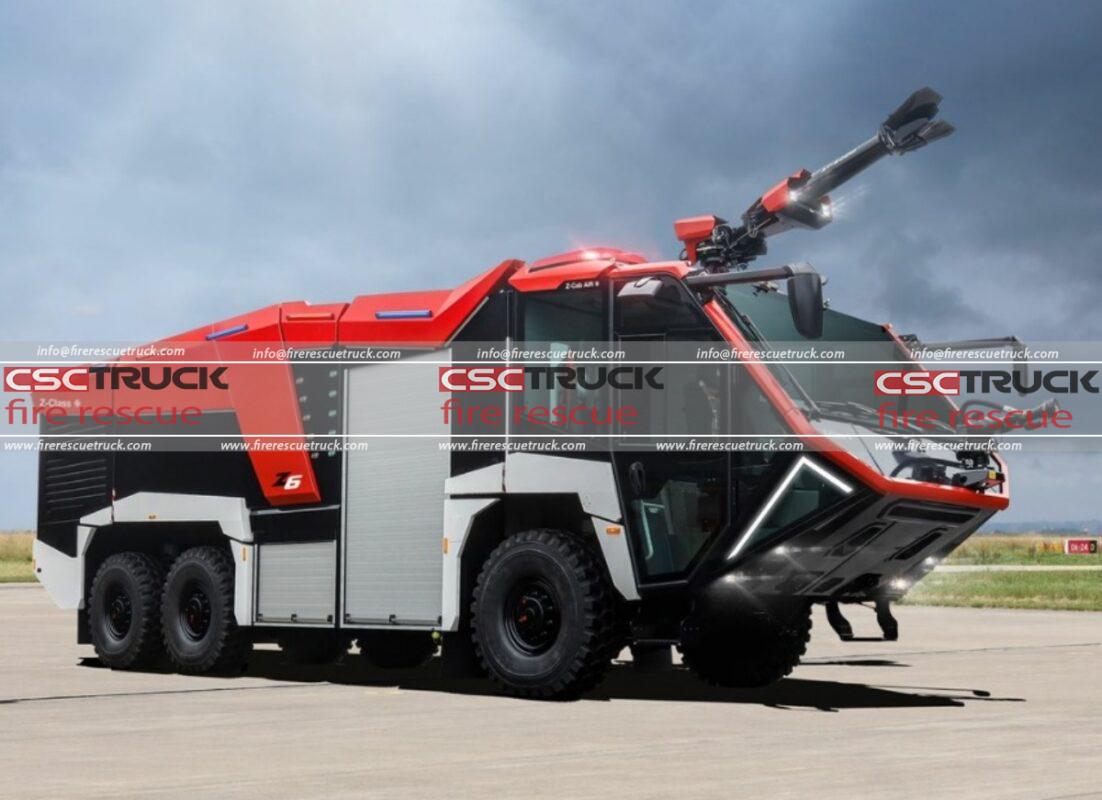
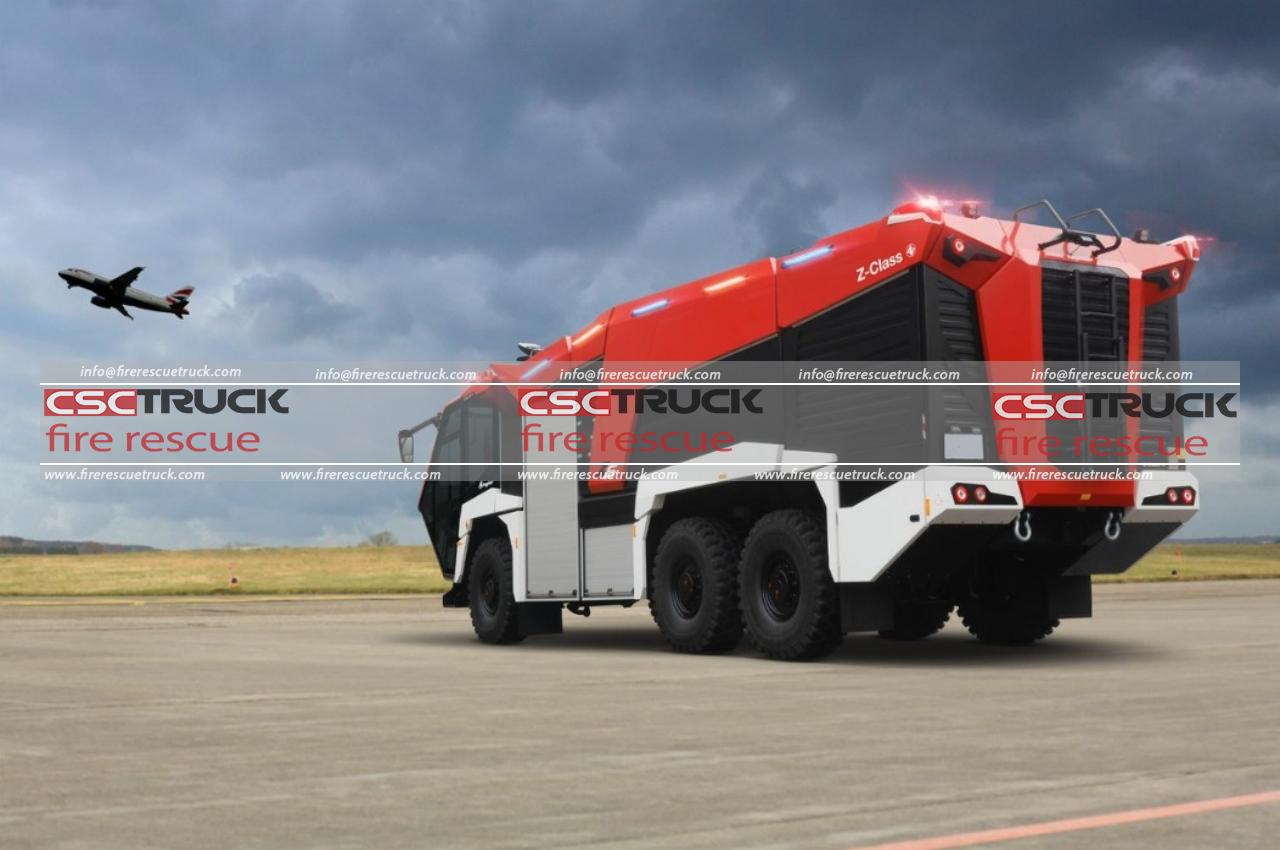
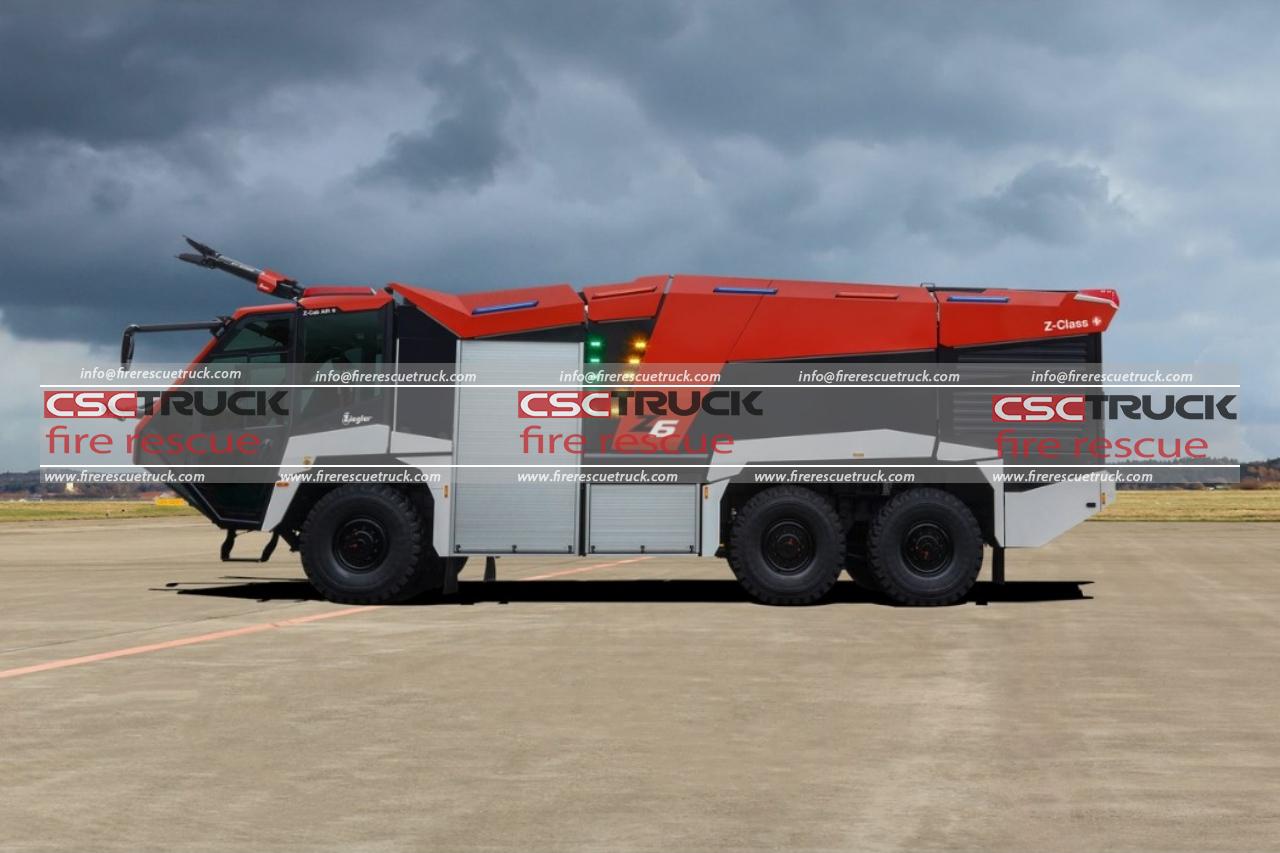
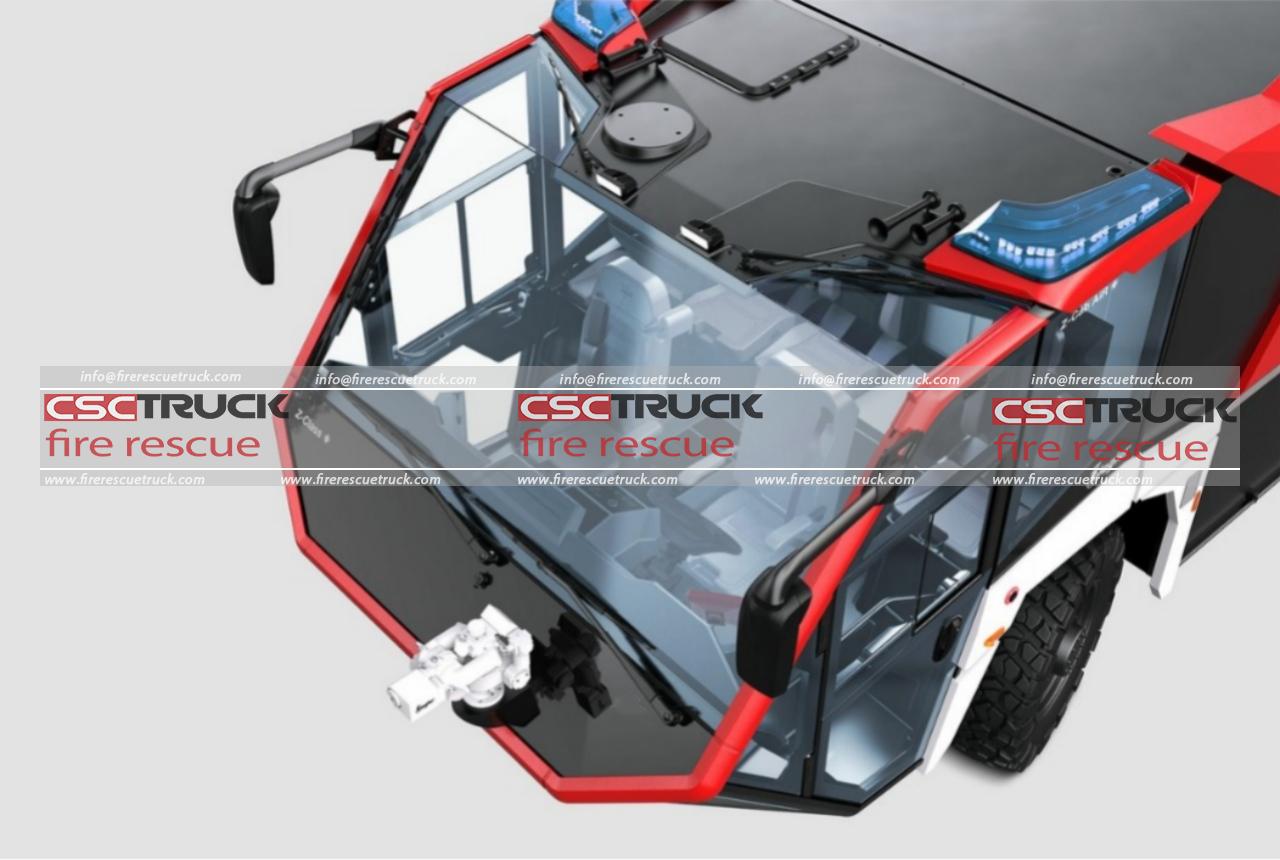
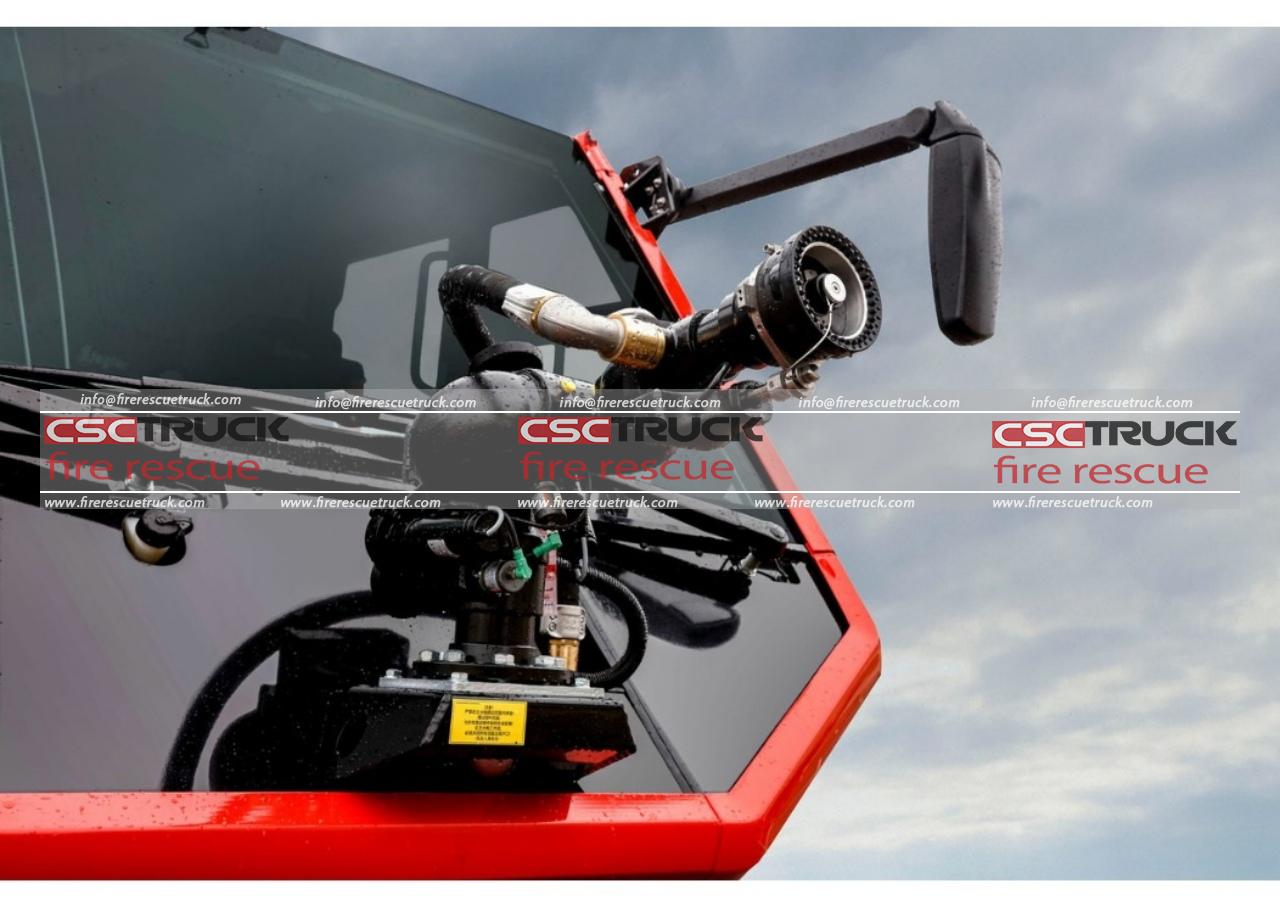
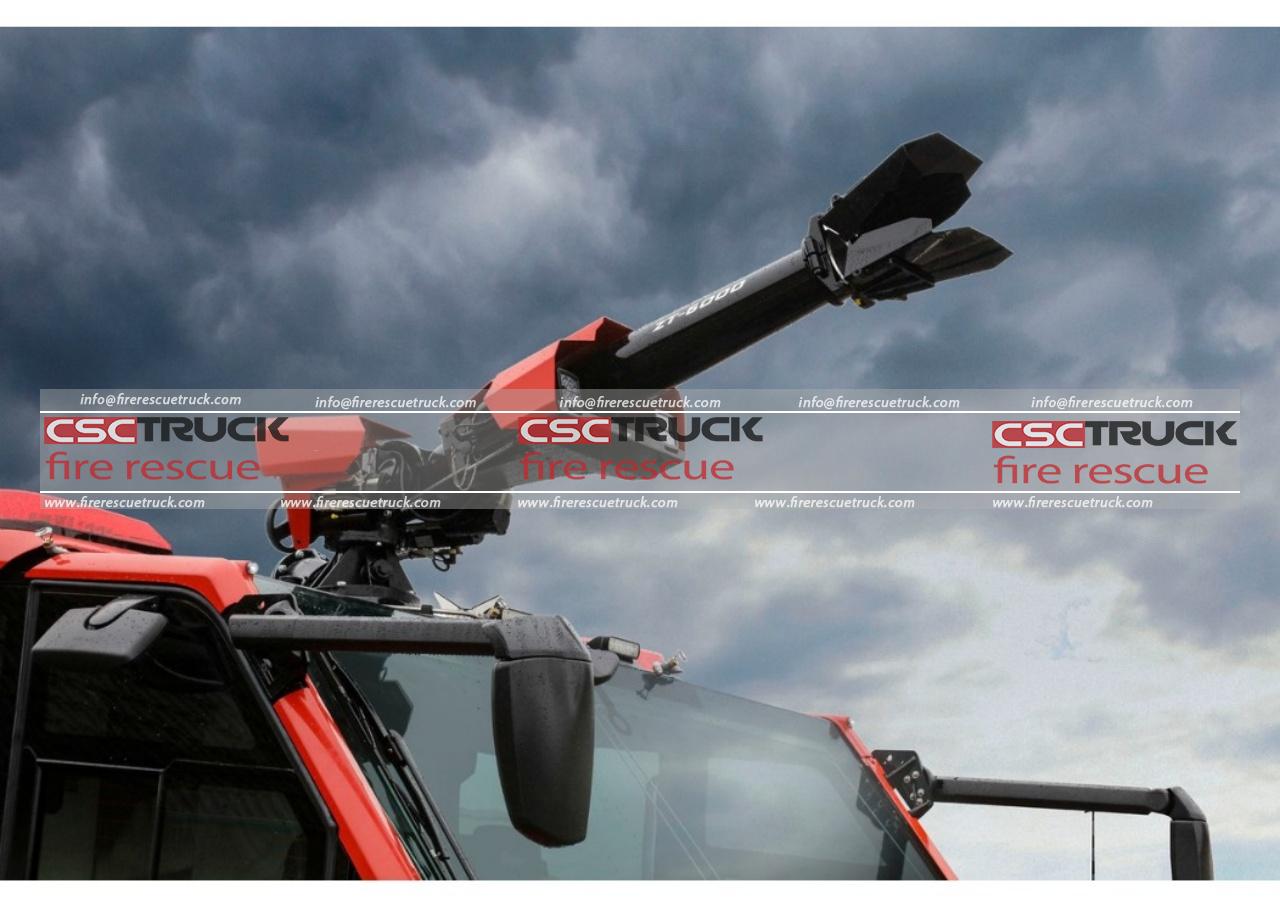
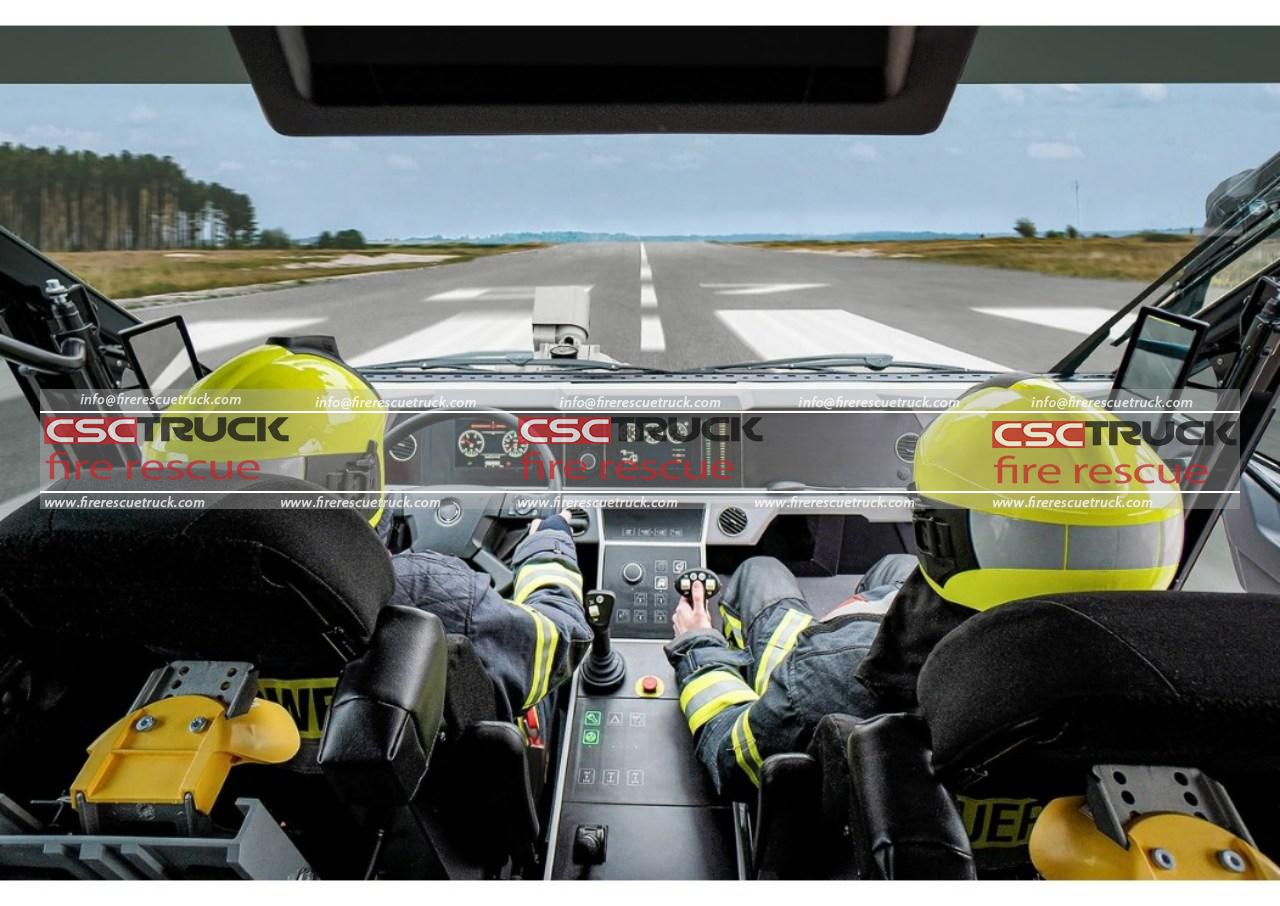
An airport crash tender, also known as an Aircraft Rescue and Fire Fighting (ARFF) vehicle or airport fire tender, is a specialized emergency vehicle designed to respond rapidly to aircraft accidents, fuel fires, and other aviation-related emergencies. Unlike conventional fire trucks, crash tenders combine high-speed mobility, large quantities of extinguishing agents, powerful pumps and monitors, and specialized airport rescue equipment.
Selecting the right airport crash tender requires more than comparing water-tank capacity or purchase price. Airport operators should consider the aircraft operating at the airport, required rescue and firefighting protection, runway layout, response distances, local regulations, terrain, climate, maintenance resources, and future fleet requirements. ICAO’s Airport Services Manual Part I specifically addresses airport rescue and firefighting protection levels, critical areas, extinguishing agents, vehicle specifications, fire-station siting, and operating procedures.
1. Start With Your Airport’s Operational Requirements
The first step is to determine what the crash tender must accomplish at your airport.
Airports handling small regional aircraft generally have different firefighting requirements from international airports serving large passenger aircraft. The size and type of aircraft, runway configuration, passenger capacity, fuel load, traffic volume, and airport category can all affect the required rescue and firefighting capability.
Before requesting quotations, establish:
The largest aircraft regularly using the airport
Required airport rescue and firefighting category
Number and length of runways
Distance between the fire station and runway endpoints
Typical emergency response routes
Local weather and terrain conditions
Required extinguishing agents
Number of ARFF vehicles required
Applicable national aviation and fire-safety regulations
The objective is to purchase a vehicle that satisfies the airport’s operational and regulatory requirements without unnecessarily specifying equipment that provides little practical benefit.
2. Choose the Appropriate Water and Foam Capacity
Water and foam capacity are among the most important specifications when selecting an airport crash tender.
A larger tank provides more firefighting resources during an extended aircraft fire, but it also increases vehicle weight. Higher gross vehicle weight can influence acceleration, braking, maneuverability, fuel consumption, and maintenance.
Common airport crash tender configurations may range from medium-capacity vehicles for smaller airports to large-capacity 6×6 vehicles designed for major aviation operations.
When comparing models, look beyond the water tank. Consider the complete extinguishing-agent package, including:
Water tank capacity
Foam concentrate tank capacity
Foam proportioning system
Dry chemical system, where required
Pump capacity
Roof or bumper-mounted monitors
Handline hose systems
Discharge pressure and flow rate
The correct combination depends on the airport’s required protection level and firefighting strategy rather than simply choosing the largest available tank.
3. Evaluate Acceleration and Maximum Speed
Airport emergencies require rapid response. A crash tender may need to travel from its station to a runway incident within a very short period.
For this reason, acceleration can be just as important as maximum speed.
When evaluating a vehicle, ask the manufacturer for:
Engine power and torque
Maximum road speed
Acceleration performance
Transmission type
Drivetrain configuration
Braking system
Steering performance
Turning radius
Vehicle weight when fully loaded
A powerful engine is particularly valuable because an airport crash tender operates with a full water and foam load. The vehicle should still accelerate effectively under maximum operating weight.
For airports with long runways, multiple taxiways, or difficult terrain, the relationship between acceleration, traction, and maneuverability should receive particular attention.
4. Select the Right Drive Configuration
The appropriate chassis configuration depends heavily on the airport environment.
A 4×4 crash tender can provide good maneuverability and traction while maintaining a relatively compact footprint. It may be suitable for smaller airports or operations where paved surfaces dominate.
A 6×6 airport fire truck provides additional traction and payload capability. It can be advantageous for large-capacity crash tenders, airports with unpaved shoulders, or locations where adverse weather and difficult terrain are concerns.
Consider:
4×4, 6×6, or other configurations
Ground clearance
Tire size
Off-road capability
Suspension design
Approach and departure angles
Traction-control systems
Waterlogged or loose-surface conditions
The vehicle should be tested against the actual airport environment rather than selected solely from a specification sheet.
5. Check the Pump and Fire Monitor Performance
A crash tender must deliver extinguishing agents quickly and accurately.
The pump should provide sufficient flow and pressure for the vehicle’s monitors and hose systems. Roof-mounted monitors are particularly important because they allow firefighters to attack an aircraft fire from a safer distance.
When comparing systems, examine:
Pump rated flow
Operating pressure
Number of monitors
Monitor flow rate
Horizontal and vertical movement
Manual or remote control
Foam capability
Bumper-mounted discharge systems
Hose reel configuration
Some airport crash tenders can also be equipped with specialized systems such as piercing nozzles or other aircraft-firefighting equipment, depending on the airport’s operational requirements.
6. Consider Visibility and Driver Ergonomics
Airport emergency operations often occur at night, in rain, snow, fog, smoke, or other conditions that reduce visibility.
The cab should provide the driver with a clear field of view and easy access to critical controls. Emergency lighting, warning systems, cameras, communication equipment, and windshield design can all affect operational safety.
Important features may include:
High-visibility emergency lighting
Sirens
Rear-view and side cameras
Thermal or infrared cameras where appropriate
Radio communication systems
Ergonomic control panels
Heated or climate-controlled cab
Comfortable seating for the crew
A technically powerful crash tender is less useful if its crew cannot operate it efficiently during a high-stress emergency.
7. Match the Vehicle to Your Airport’s Climate
Climate is another frequently overlooked purchasing factor.
Airports in hot climates may require enhanced engine cooling, air-conditioning capacity, and heat-resistant components. Airports operating in cold regions may need cold-start systems, cab heating, insulation, and protection against freezing.
Coastal airports should also consider corrosion resistance because salt and humidity can accelerate deterioration of vehicle bodies, chassis components, electrical connections, and firefighting equipment.
Before ordering, discuss the airport’s environmental conditions with the manufacturer and request appropriate configuration changes.
8. Examine Maintenance and Spare Parts Support
An airport crash tender is a mission-critical vehicle, so availability is extremely important.
Ask potential suppliers about:
Preventive maintenance schedules
Spare-parts availability
Warranty coverage
Local service partners
Technical documentation
Operator training
Remote technical support
Pump and foam-system maintenance
Chassis service availability
It is also worth considering whether the selected chassis brand has established service coverage in your country. A less expensive vehicle can become costly if essential parts are difficult to obtain.
9. Confirm Regulatory and Certification Requirements
Airport operators should identify applicable aviation, vehicle, fire-service, and environmental regulations before placing an order.
ICAO guidance is an important reference for airport rescue and firefighting planning, while individual countries may impose additional requirements.
Depending on the destination market, buyers may need to consider requirements involving vehicle certification, emissions, road registration, electrical systems, firefighting equipment, communications, and occupational safety.
The manufacturer should provide relevant technical documentation and certification information before the purchase contract is finalized.
10. Compare Total Cost of Ownership
Purchase price is only 1 part of the cost of an airport crash tender.
A proper procurement evaluation should consider:
Total cost = purchase price + shipping + training + maintenance + spare parts + fuel + downtime + lifecycle replacement costs
For example, a vehicle with a lower initial price may not necessarily be the most economical if it consumes significantly more fuel or requires difficult-to-source components.
Conversely, a higher-specification vehicle may be justified if its performance, reliability, serviceability, and expected service life better match the airport’s requirements.
CSCTRUCK Fire Rescue Truck: Customized Airport Firefighting Solutions
CSCTRUCK Fire Rescue Truck, showcased through FireRescueTruck.com, is a manufacturer and exporter of specialized fire and rescue vehicles, including airport rescue and firefighting trucks. Its product range includes airport fire vehicles, water tenders, foam fire trucks, rescue vehicles, and other specialized emergency apparatus.
CSCTRUCK Fire Rescue Truck offers customized configurations covering chassis selection, tank capacity, pump systems, firefighting equipment, and vehicle layout. Its published airport firefighting solutions include large-capacity 6×6 platforms; One example features an 11,000-liter water tank, a 1,000-liter foam tank, and a high-output electric drive and pump configuration.
For international airport projects, customization can be particularly useful because operating conditions, regulations, aircraft types, terrain, and infrastructure differ from one airport to another.
Conclusion
Choosing an airport crash tender should begin with the airport’s actual emergency-response requirements rather than a manufacturer’s standard specification sheet. Water and foam capacity, acceleration, drive configuration, pump and monitor performance, crew ergonomics, climate suitability, maintenance support, certification, and total lifecycle cost should all be evaluated together.
For airport operators purchasing new ARFF equipment, the best approach is to prepare a detailed technical specification first and then ask qualified manufacturers to provide vehicles that meet those requirements. This makes supplier comparisons more transparent and helps ensure that the final airport crash tender is capable of delivering the required response performance when an aviation emergency occurs.