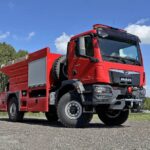

In firefighting operations, water is the most essential resource for controlling and extinguishing fires. However, in many emergency scenarios—especially in rural areas, construction sites, industrial zones, and regions without hydrant infrastructure—an immediate and continuous water supply is not available. This is where the water tender fire truck plays a critical role. The primary function of a water tender in firefighting operations is to transport large volumes of water to the fire scene and provide a mobile water supply to support firefighting efforts where fixed water sources are unavailable or insufficient.
Modern water tenders are far more than simple transport trucks. They are highly engineered emergency response vehicles designed to ensure firefighters can maintain uninterrupted suppression operations under challenging conditions. To fully understand their importance, it is necessary to explore their functions, design features, operational roles, and strategic value in firefighting systems.
1. The Core Function: Mobile Water Supply Delivery
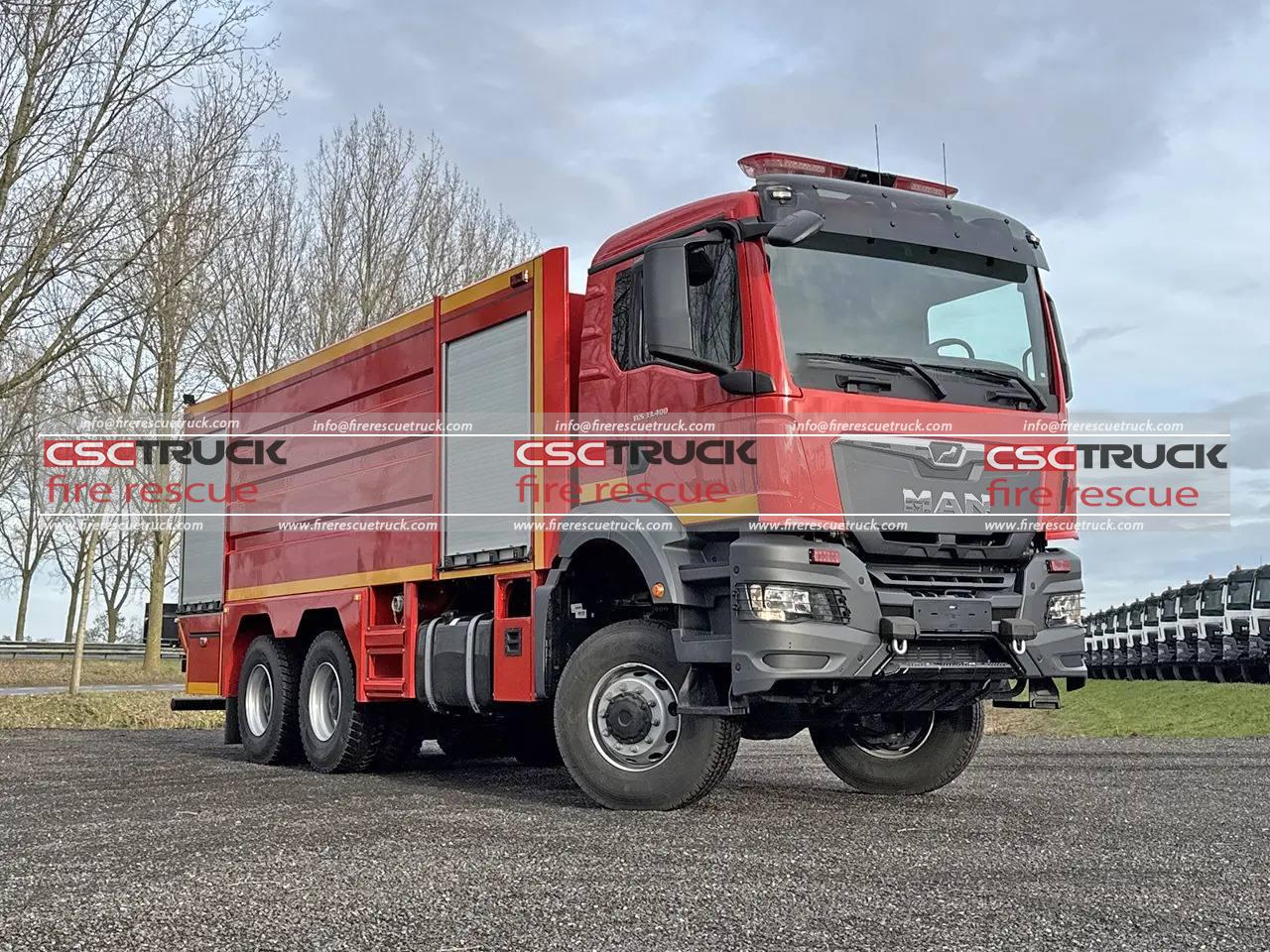
At its foundation, the water tender’s primary job is straightforward: Carry water from a source to the incident site. Depending on its configuration, a typical water tender may transport anywhere from 5,000 liters to over 20,000 liters of water.
Fire scenes often require massive and continuous water flow, especially during structural fires, wildland fires, or industrial accidents. In remote areas where hydrants are absent, firefighters would otherwise need to rely on natural water sources such as ponds, lakes, or rivers—which may be far away or inaccessible. The water tender eliminates this limitation by acting as a mobile reservoir, ensuring water is immediately available at the scene.
2. Supporting Fire Engines in the “Shuttle System”
One of the most important operational roles of a water tender is its participation in a shuttle relay system. In this setup, multiple water tenders work together to maintain a continuous water supply to firefighting engines.
The process typically works as follows:
- A water source (hydrant or natural body of water) is identified.
- Water tenders fill their tanks and travel to the fire scene.
- They unload water into portable tanks or directly into fire engines.
- The cycle repeats continuously.
This system ensures that fire engines do not have to leave the scene to refill, significantly improving firefighting efficiency. In rural firefighting, this shuttle system is often the backbone of fire suppression operations.
3. Acting as a Relay and On-Site Water Storage Unit
Water tenders are not just transport vehicles—they also serve as temporary water storage units at the fireground. Once they arrive at the scene, they can:
- Discharge water into portable folding tanks
- Supply water directly to the fire pumps
- Feed high-pressure firefighting lines
- Support aerial firefighting operations (in some cases)
This makes them a flexible and strategic asset, especially during prolonged incidents where water demand is unpredictable.
By acting as a buffer between water sources and firefighting equipment, water tenders help stabilize operations and reduce downtime.
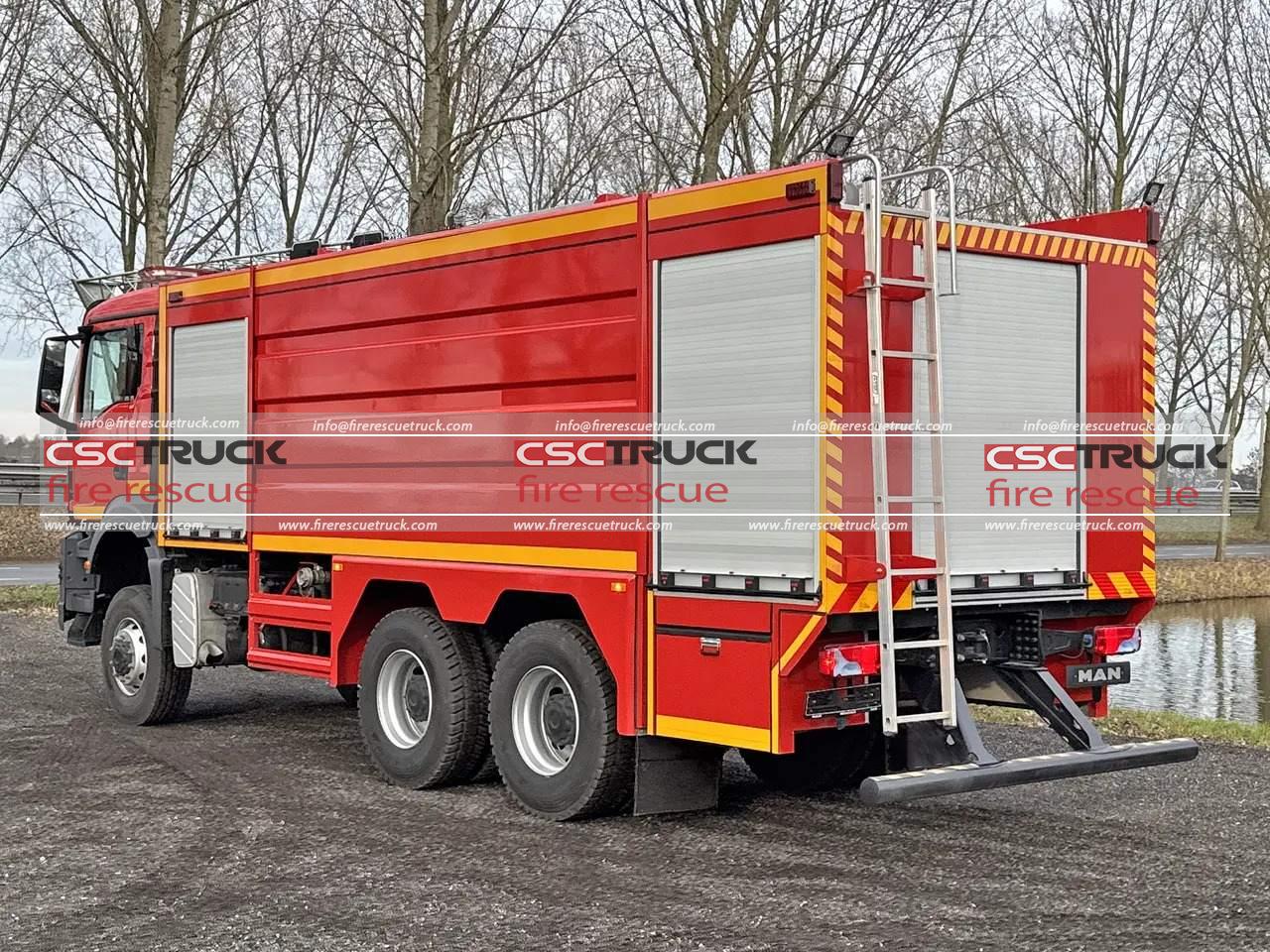
4. Enhancing Fire Response in Remote and Rural Areas
One of the most critical roles of water tenders is supporting rural and wildland firefighting operations. In these environments, infrastructure is often limited or completely absent.
Without water tenders, firefighters would face serious challenges, such as:
- Long distances to water sources
- Limited hydrant availability
- Difficult terrain access
- Rapid fire spread in vegetation-rich areas
Water tenders solve these issues by ensuring that water is brought directly to the fireground in sufficient quantity. In wildland firefighting, they are often deployed alongside brush trucks and wildfire engines to create a reliable water supply chain.
5. Supporting Structural Firefighting Operations
In urban or semi-urban environments, water tenders are often deployed when:
- Hydrant systems are overwhelmed
- Water mains are damaged
- Large-scale industrial fires occur
- Multiple-alarm fires demand an extended water supply
During structural fires, fire engines consume large volumes of water rapidly. If hydrants cannot maintain pressure or flow, water tenders step in to supplement the supply. Their ability to deliver thousands of liters quickly can make the difference between containment and uncontrolled fire spread.
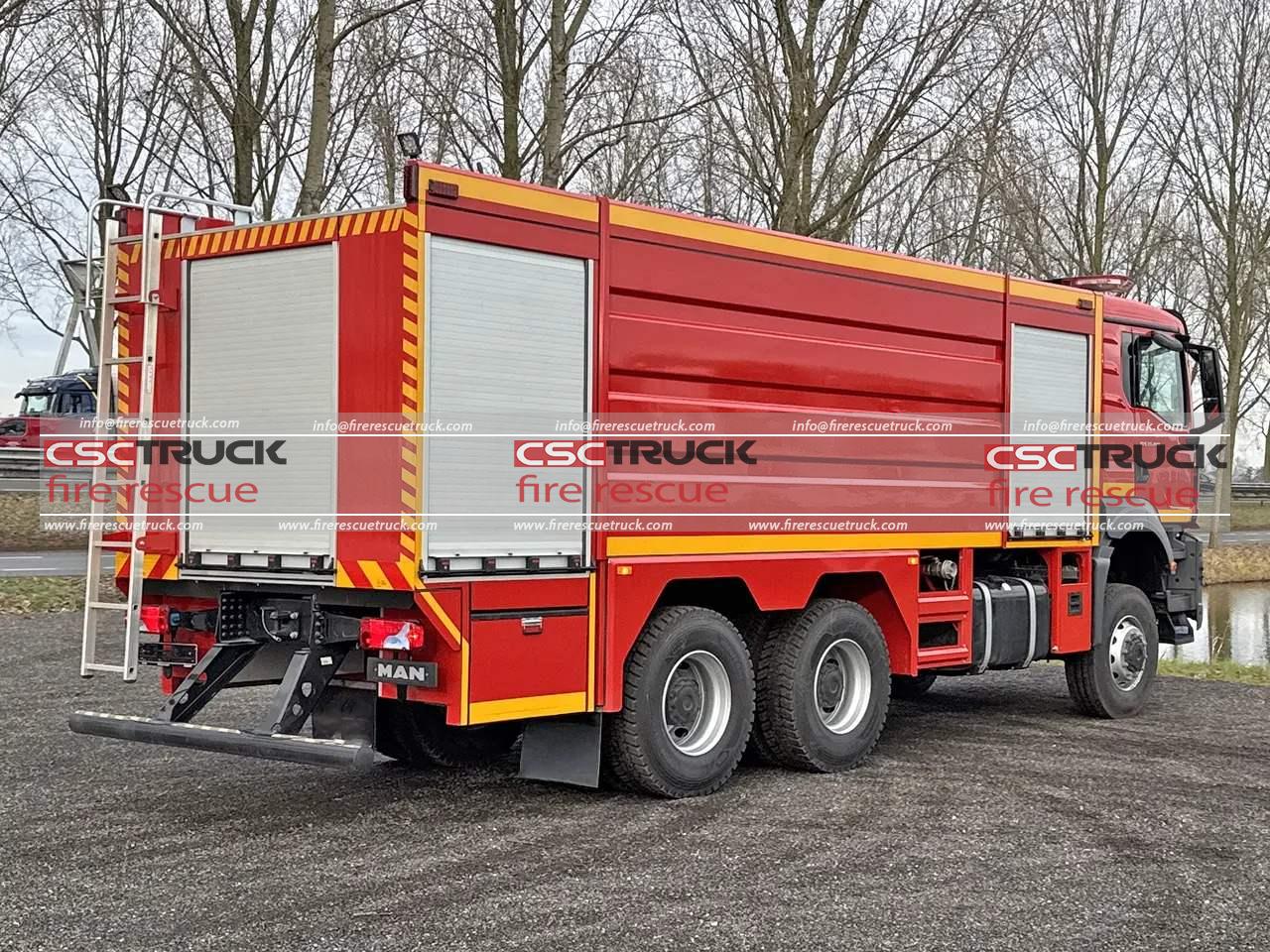
6. Integration with Modern Firefighting Systems
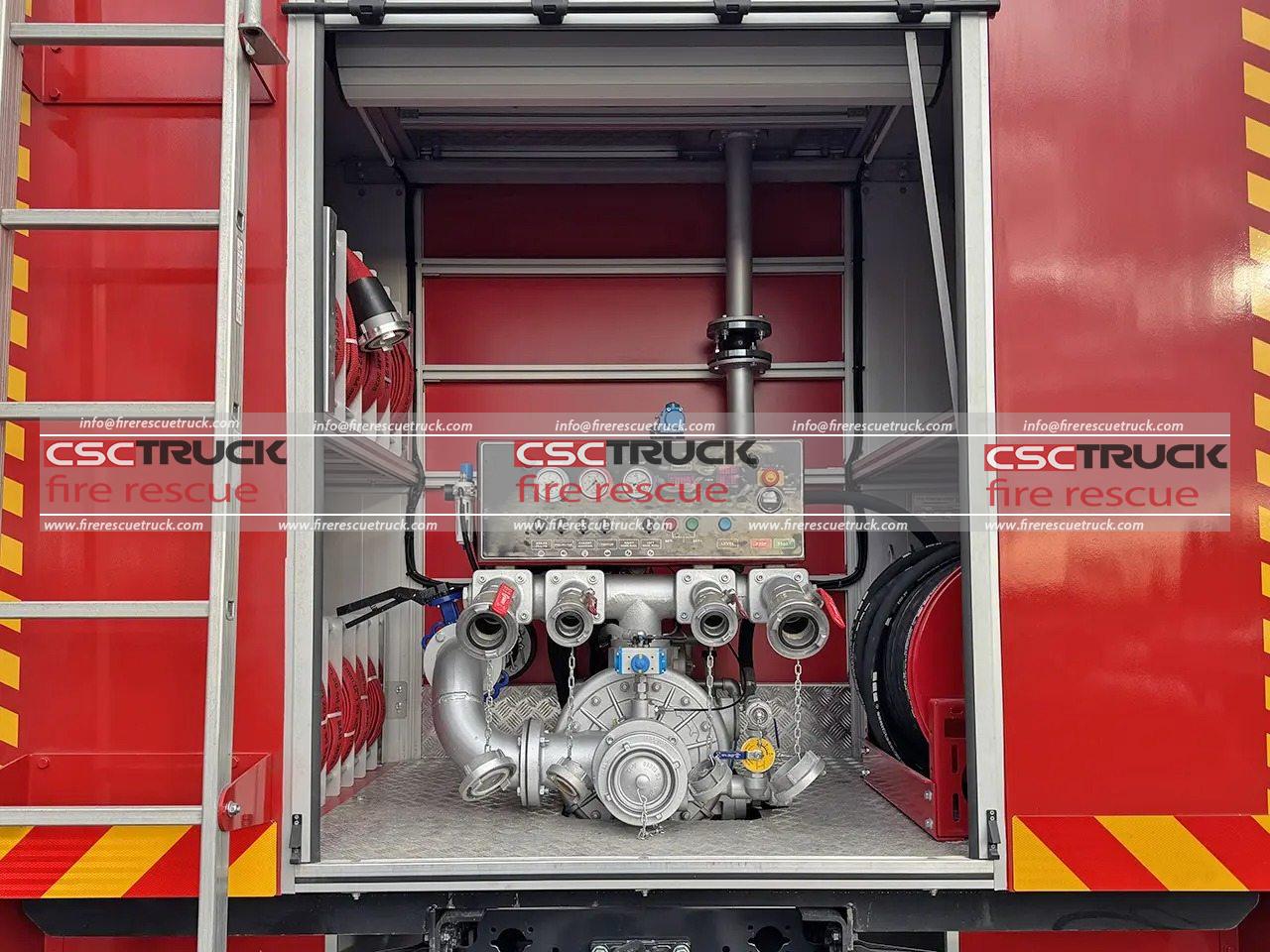
Modern water tenders are designed to integrate seamlessly with other firefighting vehicles and equipment. Many units include:
- High-capacity centrifugal pumps
- Quick-fill and quick-discharge systems
- Foam proportioning systems (in some models)
- Multiple outlet valves for simultaneous operation
- Vacuum-assisted filling systems for faster turnaround
These features improve operational speed and efficiency, reducing the time between water refills and fire suppression cycles.
Manufacturers such as CSCTRUCK Fire Rescue Truck design advanced water tender fire trucks that combine high structural durability with optimized tank design and efficient pumping systems. These modern vehicles are engineered to meet international firefighting standards while adapting to diverse terrain and emergency scenarios.
7. Key Design Features That Enable Their Function
The effectiveness of a water tender depends heavily on its design. Key structural and technical features include:
Large-capacity water tanks
Typically made from steel, aluminum, or reinforced composite materials to withstand pressure and road stress.
Reinforced chassis
Heavy-duty truck chassis ensure stability even when fully loaded.
Baffled tank design
Internal baffles reduce water movement, improving vehicle stability during transport.
High-performance pumps
Enable fast water discharge and refilling operations.
Off-road capability
Many water tenders are built with 4×4 or 6×6 drivetrains for access to rough terrain.
These design elements ensure that water tenders can operate effectively under extreme conditions.
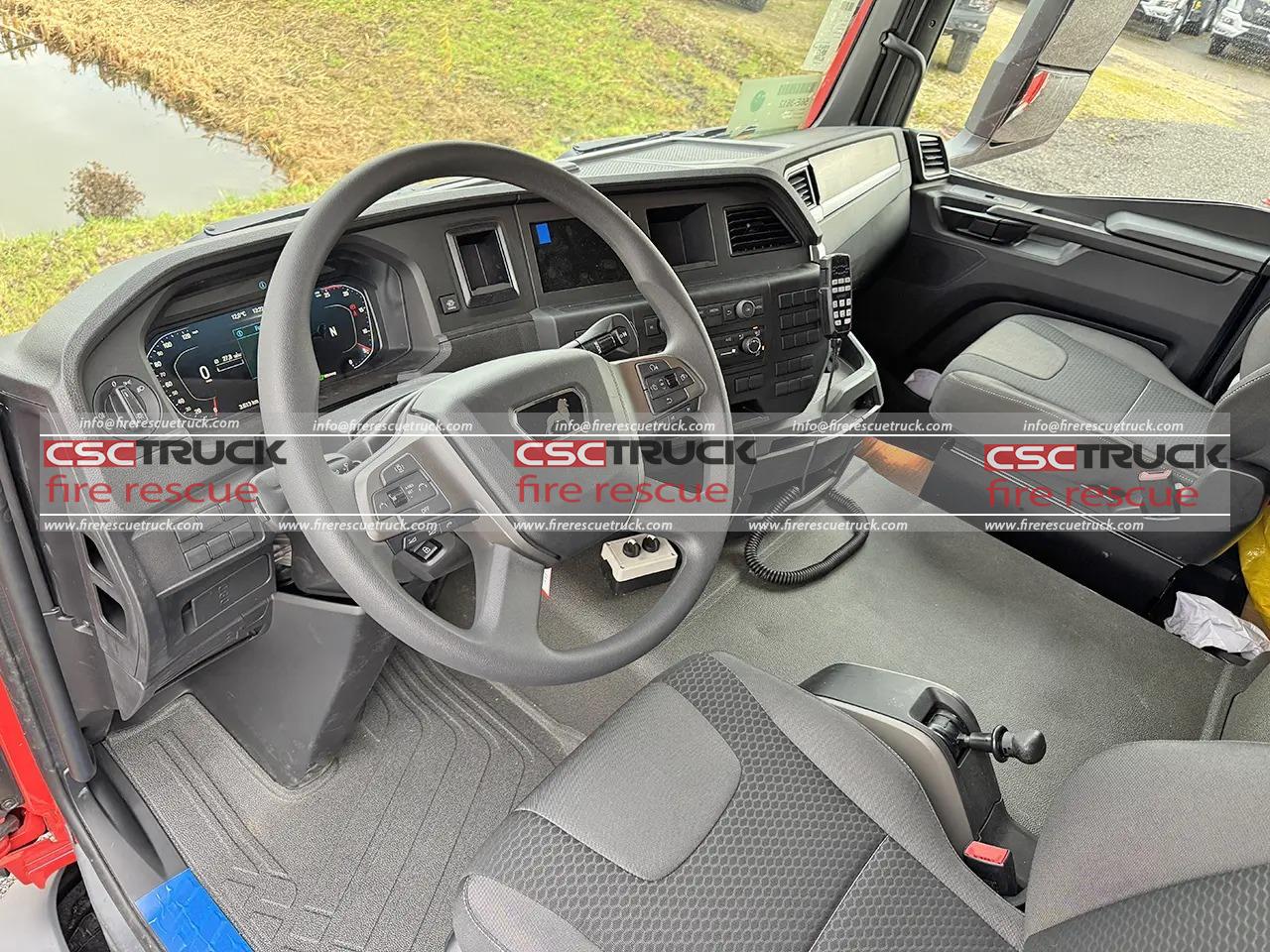
8. Strategic Importance in Firefighting Operations
Beyond their physical function, water tenders play a strategic role in fireground logistics. Firefighting is not just about extinguishing flames—it is about maintaining a continuous supply chain of resources.
Water tenders contribute to this strategy by:
- Reducing dependency on fixed infrastructure
- Increasing operational flexibility
- Extending firefighting range into remote areas
- Improving response time in water-limited environments
In large-scale disasters, they often become one of the most important assets in the entire response fleet.
9. Future Development of Water Tenders
As firefighting technology evolves, water tenders are also advancing. Future developments may include:
- Smart water level monitoring systems
- GPS-based fleet coordination
- Automated pumping and discharge controls
- Hybrid or electric drivetrains for reduced environmental impact
- Integrated foam and chemical suppression systems
These improvements aim to enhance efficiency, reduce response time, and improve coordination during complex emergencies.
Conclusion
The primary function of a water tender in firefighting operations is to ensure a reliable, high-capacity, and mobile water supply for fire suppression activities, especially in areas where fixed water infrastructure is insufficient or unavailable. However, their role extends far beyond simple transportation. Water tenders act as critical logistical support units, enabling shuttle systems, reinforcing firefighting engines, supporting rural and urban fire scenarios, and ensuring continuous operation during large-scale emergencies.
As firefighting challenges become more complex due to urban expansion, climate change, and wildland fire risks, the importance of water tenders continues to grow. Modern designs, such as those developed by manufacturers like CSCTRUCK Fire Rescue Truck, demonstrate how engineering innovation is enhancing the effectiveness of these essential emergency vehicles.
Ultimately, water tenders are not just support vehicles—they are lifeline systems that sustain firefighting operations when water access is the limiting factor.