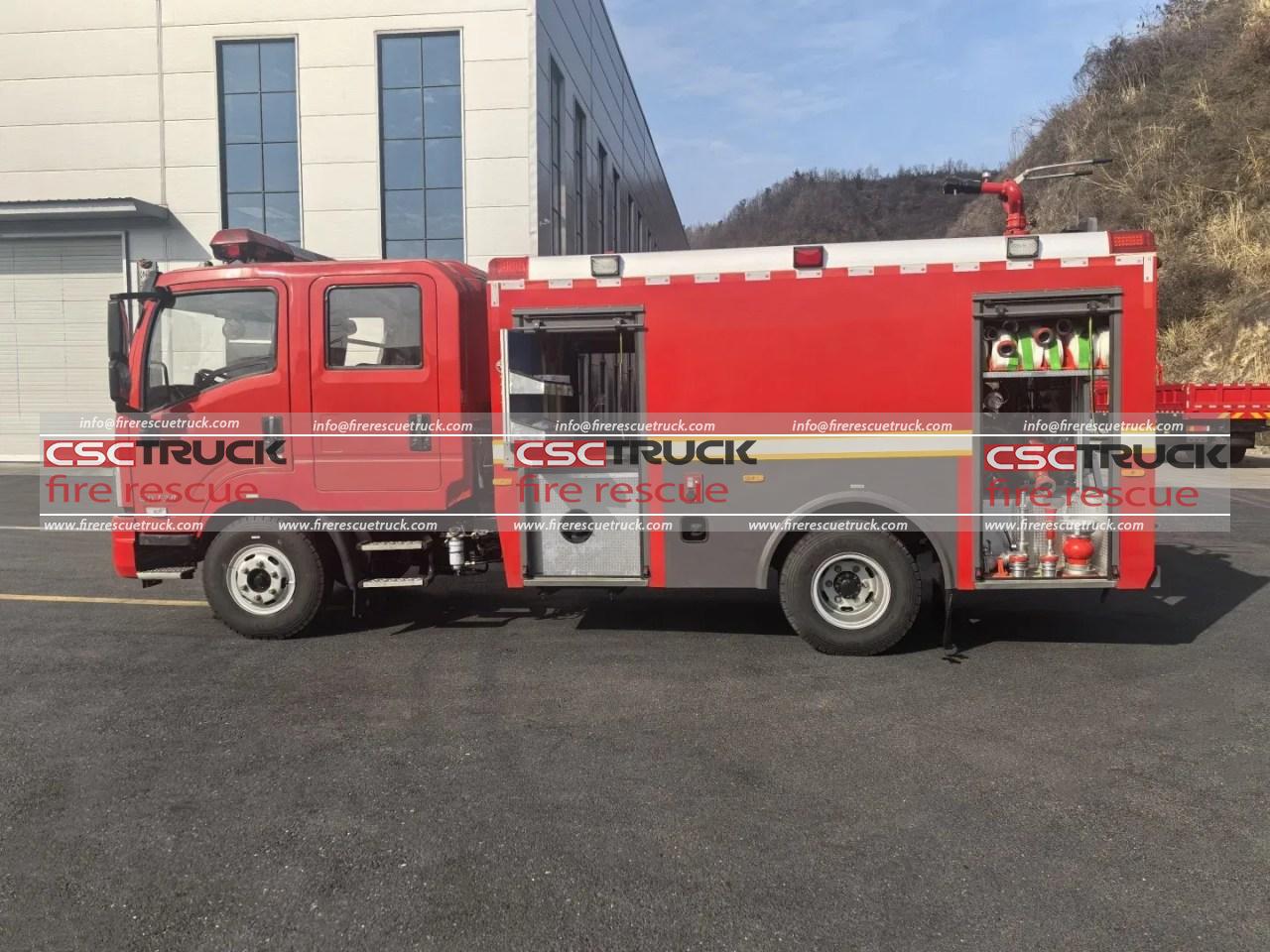

Modern firefighting operations rely on more than just rapid response—they depend on reliable water supply, mobility across diverse terrains, and durable equipment capable of operating under extreme conditions. Among the most essential support vehicles in fire service fleets is the Water Tender Fire Truck, a high-capacity emergency water supply unit designed to deliver large volumes of water to firefighting scenes where hydrant access is limited or nonexistent. Combining structural strength, operational flexibility, and dependable performance, the water tender plays a critical role in both urban backup operations and rural fire suppression.
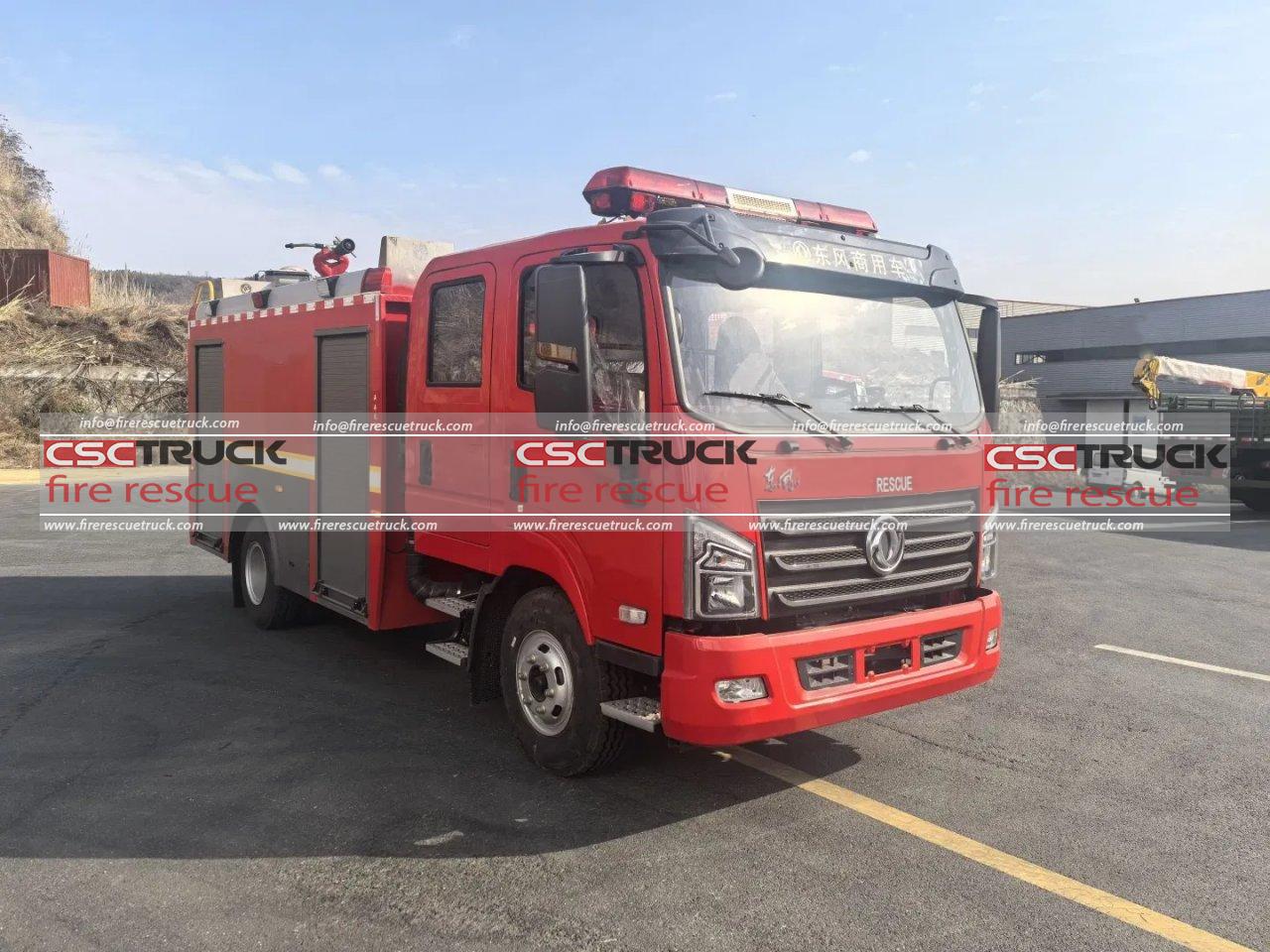
In recent years, manufacturers such as CSCTRUCK Fire Rescue Truck have contributed significantly to advancing fire rescue vehicle technology. CSCTRUCK Fire Rescue Truck fire trucks are engineered with a focus on durability, modular design, and mission-specific adaptability. Their water tender fire trucks integrate high-capacity tanks, efficient pumping systems, and reinforced chassis configurations, making them suitable for demanding emergency environments across different regions and climates.
1. Overview of the Water Tender Fire Truck
A water tender fire truck—also known as a water bowser in some regions—is a specialized firefighting support vehicle designed primarily for transporting large quantities of water to fire scenes. Unlike standard fire engines equipped with limited onboard water, water tenders serve as mobile reservoirs that ensure a continuous water supply during prolonged firefighting operations.
These vehicles are especially critical in:
- Rural and remote areas without hydrant infrastructure
- Wildland firefighting operations
- Industrial sites with high water demand
- Large-scale urban fire incidents require sustained suppression
Typically, water tenders carry anywhere from 5,000 to over 20,000 liters of water, depending on chassis configuration and mission requirements.
2. Robust Structural Design and Engineering Strength
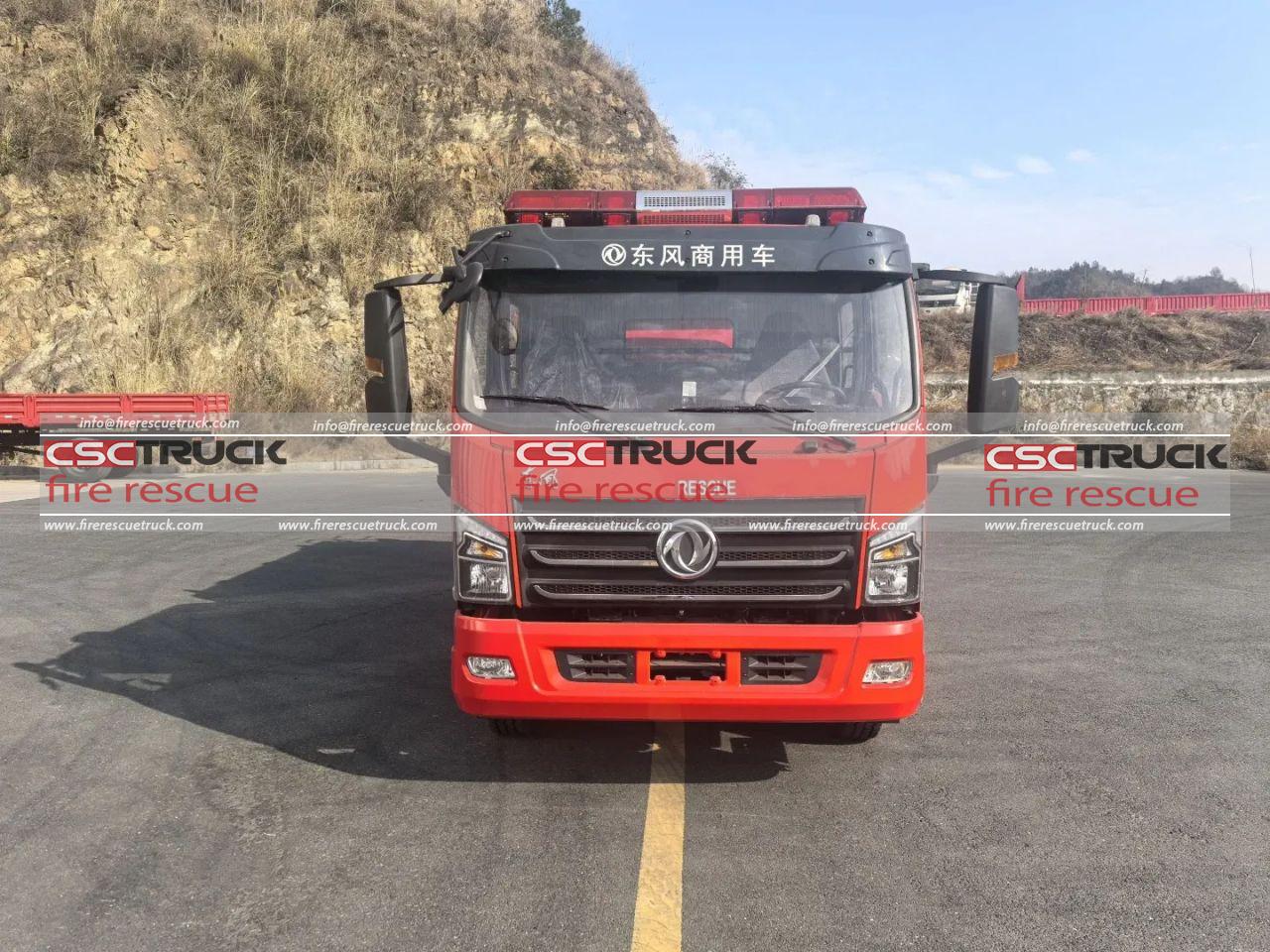
The structural integrity of a water tender fire truck is essential for safe and efficient operation, especially when transporting heavy water loads over uneven terrain.
Key structural features include:
High-strength chassis integration
Water tenders are commonly built on heavy-duty truck chassis designed to withstand high gross vehicle weight (GVW). Reinforced frames help maintain stability during transport and discharge operations.
Corrosion-resistant water tank systems
The water tank is usually constructed from carbon steel with anti-corrosion coating, stainless steel, or reinforced polyethylene. Internal baffle plates reduce water sloshing, improving stability during acceleration, braking, and cornering.
Reinforced suspension system
Heavy-load suspension systems—often multi-leaf spring or air suspension configurations—ensure balance and durability under full water capacity conditions.
Ergonomic and functional layout
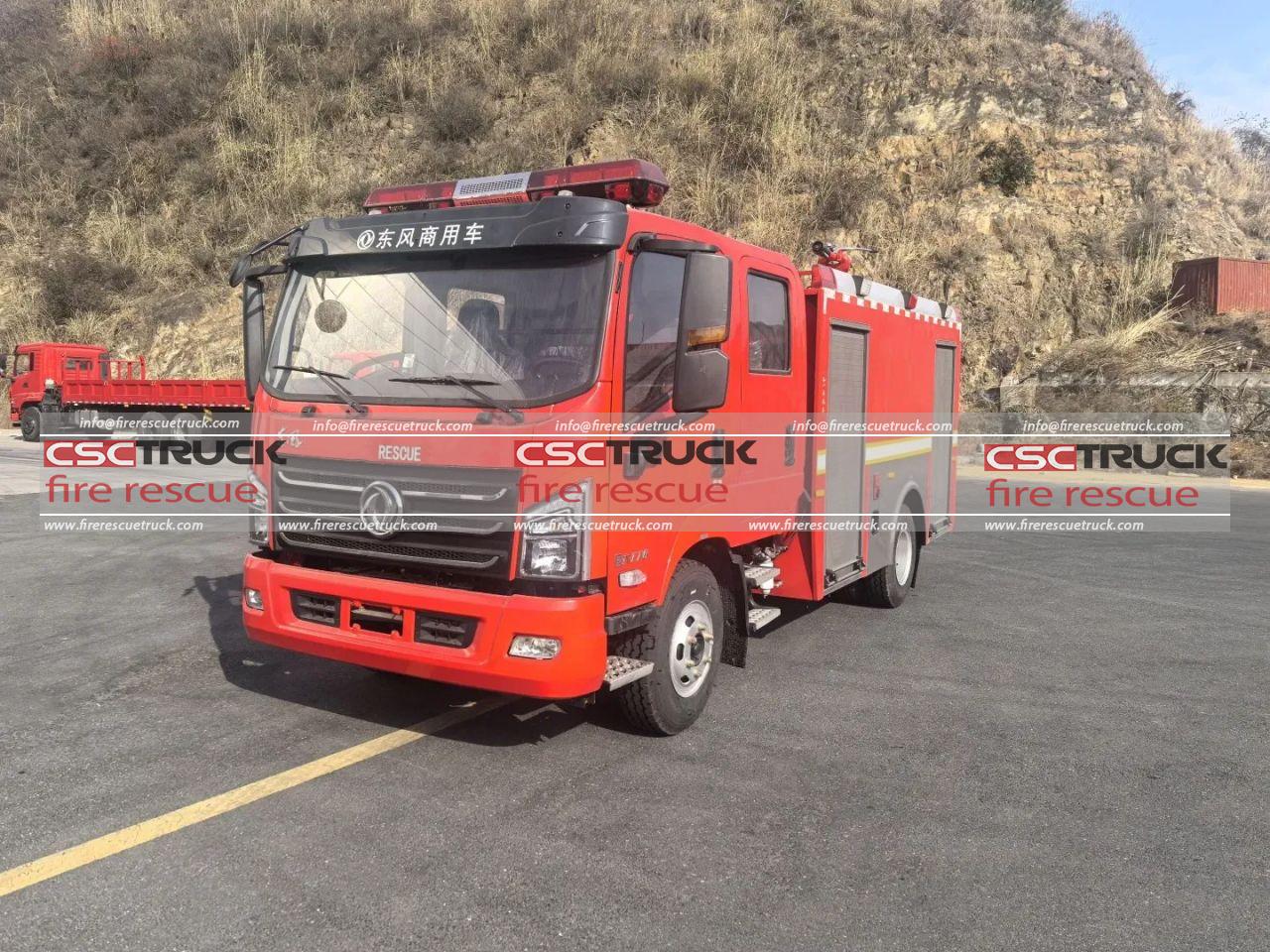
Equipment compartments are designed for rapid access to hoses, nozzles, valves, and auxiliary firefighting tools, reducing response time at emergency scenes.
3. Powerful Performance and Pumping Capability
Performance is one of the most critical aspects of a water tender fire truck. Beyond transportation, its ability to deliver water efficiently determines its effectiveness in firefighting support.
High-capacity water pumping systems
Most water tenders are equipped with centrifugal fire pumps capable of delivering high flow rates for direct fire suppression or tanker shuttle operations.
Fast refill and discharge functions
Water tenders can rapidly refill from hydrants, rivers, lakes, or portable water sources. Quick discharge systems ensure efficient water transfer to fire engines or portable tanks at the scene.
Engine power and drivetrain efficiency
Depending on configuration, water tender trucks often feature high-horsepower diesel engines paired with manual or automatic transmissions. This ensures strong torque output, especially when operating on steep or off-road terrain.
Operational endurance
Designed for long-duration missions, these vehicles can operate continuously under demanding conditions without performance degradation.
4. Versatile Firefighting Applications
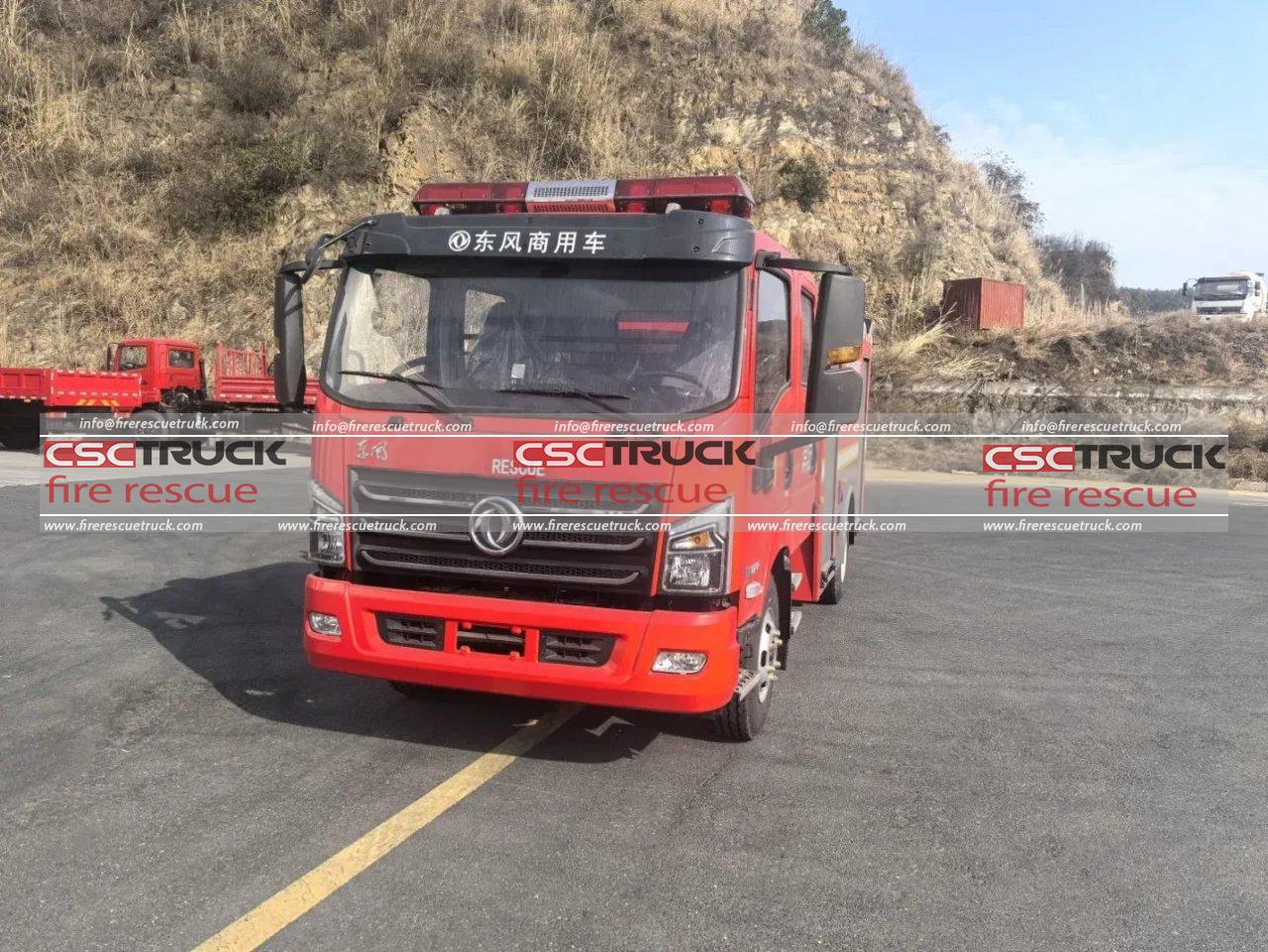
The water tender fire truck is not limited to a single operational role. Its versatility makes it an essential asset in modern fire service fleets.
4.1 Rural and Wildland Firefighting
In forested or agricultural regions where hydrants are unavailable, water tenders provide the primary water source for fire suppression teams. They often operate in shuttle cycles, continuously supplying water to frontline fire engines.
4.2 Urban Backup Support
During large-scale urban fires, municipal water supply systems may become insufficient. Water tenders supplement existing fire engines, ensuring uninterrupted firefighting operations.
4.3 Industrial Fire Response
Industrial facilities such as chemical plants, warehouses, and fuel depots require large volumes of water for cooling and suppression. Water tenders provide rapid and sustained water delivery in these high-risk environments.
4.4 Disaster and Emergency Relief
Beyond fire suppression, water tenders are also deployed in disaster response scenarios such as earthquakes, droughts, and infrastructure failures, where clean water delivery or emergency support is required.
4.5 Construction and Municipal Use
Some water tenders are adapted for auxiliary roles, including dust suppression at construction sites or temporary water supply for municipal cleaning operations.
5. Operational Efficiency and Safety Systems
Safety and efficiency are central to the design of modern water tender fire trucks. Advanced engineering ensures that both operators and the surrounding environments remain protected during use.
Key systems include:
- Anti-roll tank stabilization technology
- Overflow and pressure relief valves
- Emergency braking systems
- High-visibility warning lights and sirens
- Remote-controlled discharge systems (in advanced models)
These features enhance operational control and reduce risks during high-pressure firefighting scenarios.
6. Role in Modern Firefighting Strategy
In contemporary fire service strategy, water tenders are considered force multipliers. While they do not typically engage in direct firefighting at the front line, their contribution is fundamental to sustained operations.
Fire departments increasingly integrate water tenders into:
- Incident command logistics planning
- Long-distance water relay systems
- Multi-vehicle suppression strategies
- Rapid deployment firefighting units
Their presence ensures that frontline fire engines are never limited by water scarcity, significantly improving overall response effectiveness.
7. Future Development Trends
The evolution of water tender fire trucks is closely tied to advancements in automation, environmental standards, and smart emergency systems.
Future trends include:
- Hybrid and electric powertrains for reduced emissions
- Smart water level monitoring systems
- GPS-based fleet coordination for optimized dispatch
- Lightweight composite tank materials for improved efficiency
- Integrated IoT-based diagnostics for predictive maintenance
Manufacturers like CSCTRUCK Fire Rescue Truck fire trucks are expected to continue innovating in these areas, improving both operational intelligence and environmental sustainability.
Conclusion
The Water Tender Fire Truck remains a vital component of modern firefighting infrastructure. With its high-capacity water storage, robust structural engineering, powerful performance capabilities, and wide range of applications, it ensures that fire suppression teams can operate effectively even in the most challenging conditions. Whether supporting rural wildfire containment, urban emergency response, or industrial fire control, the water tender delivers unmatched logistical support.
With continued innovation from manufacturers such as CSCTRUCK Fire Rescue Truck, these vehicles are evolving into smarter, safer, and more efficient tools—strengthening global firefighting capabilities for the future.