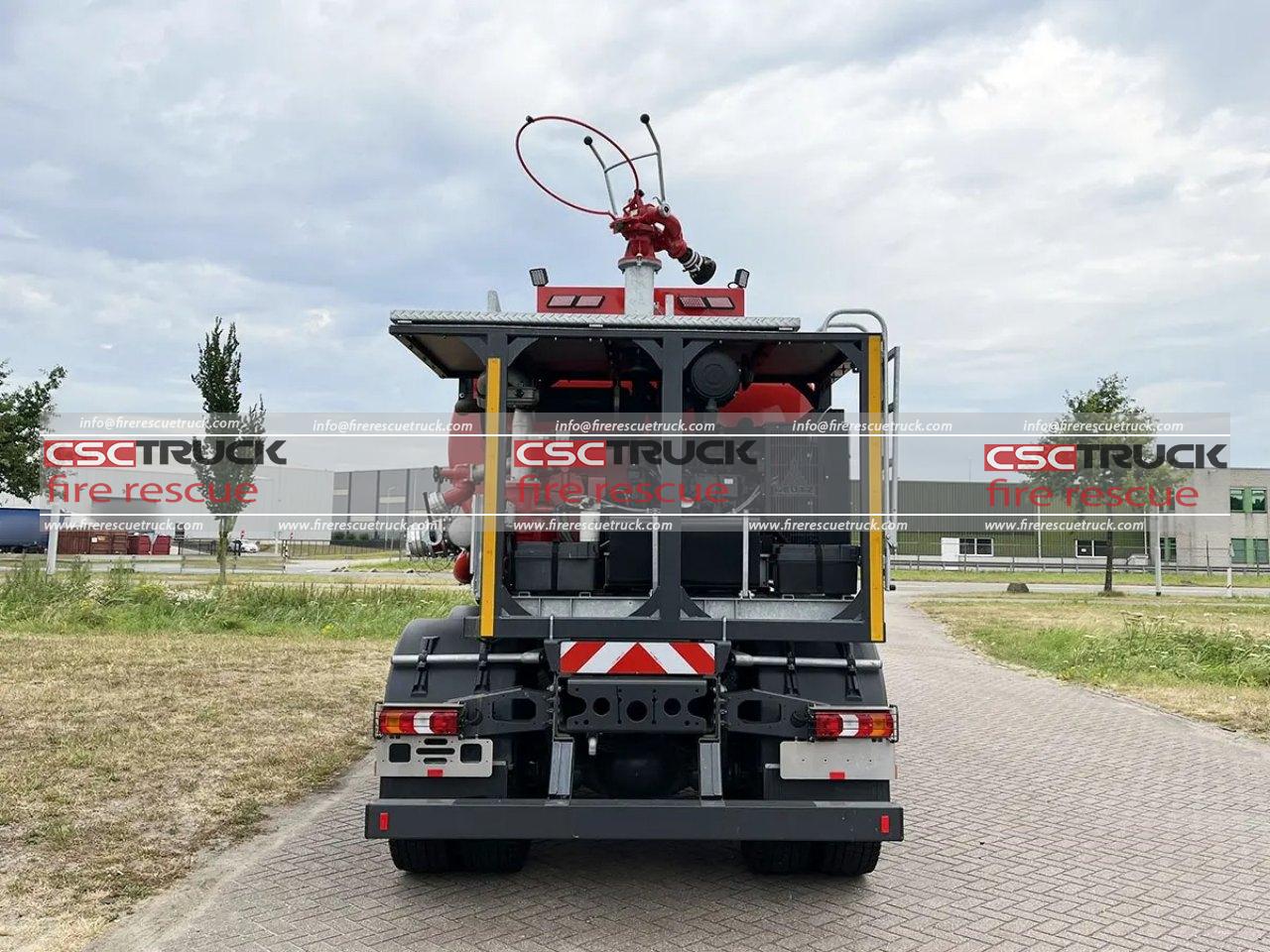

Modern firefighting depends heavily on rapid access to large volumes of water, especially in areas where hydrants are limited or unavailable. One of the most important vehicles in this system is the water tender fire truck, a specialized apparatus designed to transport and supply water under demanding emergency conditions. Many people ask a practical question: Can a water tender fire truck actually draft water from natural sources such as lakes, rivers, or ponds? The answer is yes—and understanding how this works reveals the engineering and operational strategy behind effective firefighting.
Before diving into drafting operations, it is helpful to understand the broader context of fire apparatus design and innovation, such as the solutions offered by CSCTRUCK Fire Rescue Truck, a professional manufacturer of firefighting and emergency response vehicles. CSCTRUCK Fire Rescue Truck focuses on designing reliable water tenders, fire engines, and rescue vehicles that can operate in both urban and rural environments. More information about their product range can be found at https://firerescuetruck.com/. Their fire trucks are widely used in areas where flexible water supply strategies are essential, including rural firefighting, where natural water sources play a critical role.
What Is a Water Tender Fire Truck?
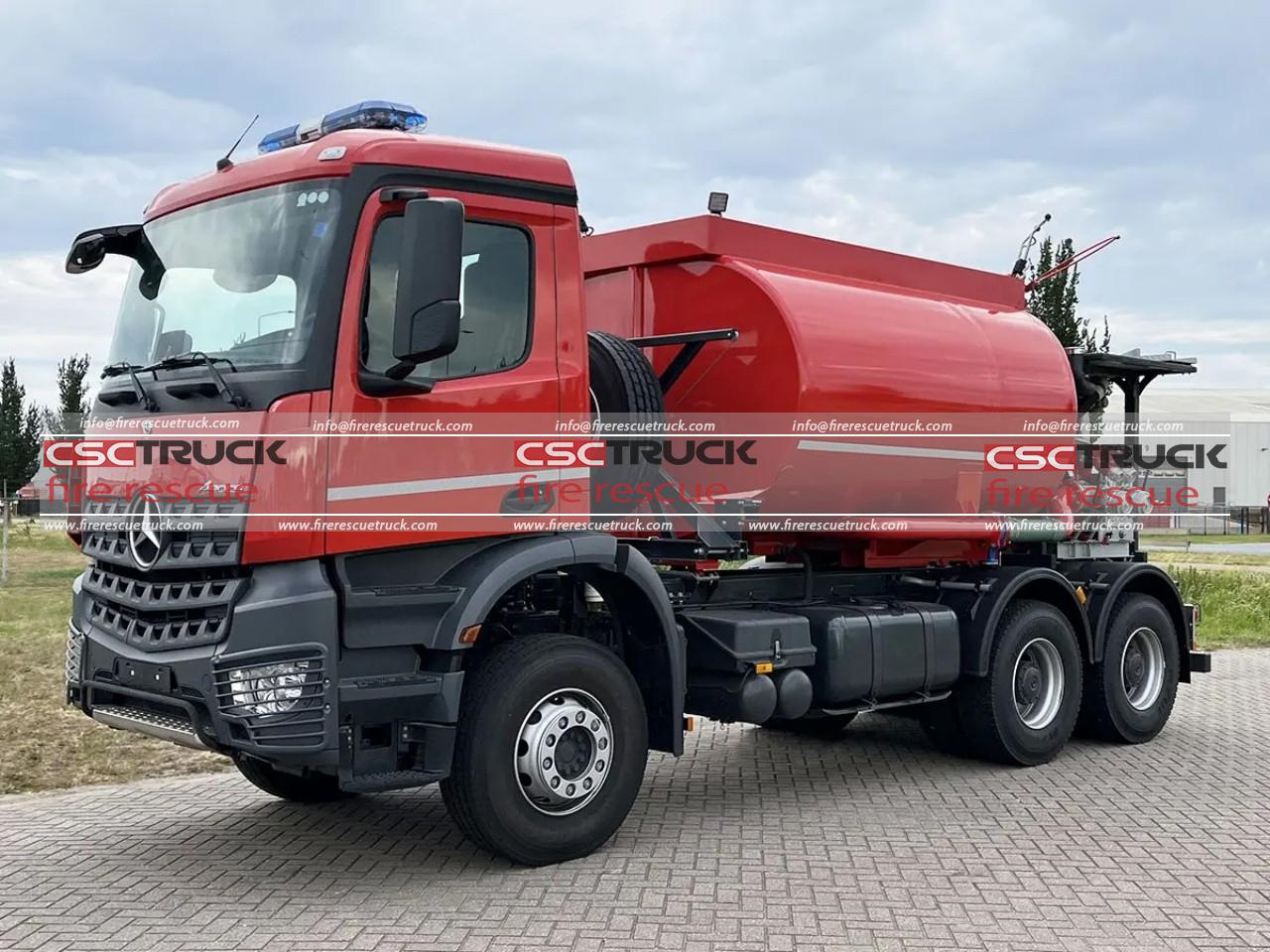
A water tender (also called a tanker in some regions) is a firefighting vehicle primarily designed to transport large volumes of water from a supply point to the fire scene. Unlike a standard fire engine, which focuses on pumping and hose operations, a water tender emphasizes bulk water delivery and shuttle operations.
Typical capacities range from:
- 1,000 to over 4,000 gallons (3,800–15,000+ liters)
These vehicles ensure a continuous water supply when hydrants are unavailable, especially in:
- Rural communities
- Forest and wildland areas
- Industrial zones
- Remote infrastructure sites
However, many modern water tenders are not just passive transport vehicles—they are also equipped with pumps that allow them to interact directly with natural water sources.
What Does “Drafting Water” Mean?
To understand whether a water tender can draw water from lakes or rivers, it is important to understand the concept of drafting.
Drafting is the process of using a pump to create a vacuum (negative pressure) that pulls water from a static source into a hose or intake system. Instead of relying on pressurized hydrants, the pump relies on atmospheric pressure to push water upward into the system.
In simple terms:
The pump removes air → creates suction → atmospheric pressure pushes water into the hose
This process allows fire apparatus to access:
- Lakes
- Rivers
- Ponds
- Swimming pools
- Portable water tanks
Can Water Tender Fire Trucks Draft from Natural Water Sources?
Yes. Most modern water tenders are designed with drafting capability, either directly or in coordination with fire engines.
1. Direct Drafting Capability
Many water tenders include:
- A built-in centrifugal pump
- A hard suction hose
- A foot valve or strainer
With this setup, the water tender can:
- Position near a lake, river, or pond
- Lower a suction hose into the water
- Activate the pump system
- Draw water into the onboard tank
This allows the vehicle to refill without needing hydrants or external support.
2. Indirect Drafting via Fire Engines
In some operations, water tenders do not draft directly. Instead:
- A fire engine is positioned at the water source
- It draws water from the lake or river
- The engine then fills the water tender or portable tanks
This method is common in rural firefighting systems where multiple vehicles operate in a coordinated water shuttle system.

Why Drafting Is Important in Firefighting
Drafting capability is critical because it provides access to unlimited natural water supplies when infrastructure is unavailable.
Key advantages include:
- Independence from hydrants: Essential in rural and wildland areas
- Continuous supply: Large fires require sustained water flow
- Operational flexibility: Multiple refill points can be used
- Emergency redundancy: Backup when municipal systems fail
Without drafting capability, firefighting in remote areas would depend entirely on truck-to-truck water shuttling, which is slower and less efficient.
Technical Limits of Drafting
Although drafting is highly effective, it is subject to physical limitations.
1. Lift Height Restriction
Because drafting relies on atmospheric pressure:
- Maximum theoretical lift is about 10.3 meters (33 feet)
- Practical fireground lift is usually 6–10 meters (20–30 feet)
This means the pump must be positioned relatively close to the water surface.
2. Flow Efficiency
Longer or narrower suction hoses reduce flow efficiency. Fire departments use:
- Large-diameter hard suction hoses
- Short hose lengths
- Strainers to prevent debris intake
3. Water Quality Considerations
Natural water sources may contain:
- Mud
- Sand
- Vegetation
Strainers are essential to prevent pump damage and maintain a steady flow.

Typical Drafting Operation in the Field
A standard drafting setup from a pond or river involves:
- Positioning the water tender near the water source
- Connecting a hard suction hose
- Submerging a strainer into the water
- Priming the pump to remove air
- Starting suction flow into the tank or discharge line
- Supplying fire engines or portable tanks
This process can often refill large tanks in minutes, depending on pump capacity and water conditions.
Role of Water Tenders in Rural Firefighting Strategy
In rural and wildland firefighting, water tenders are part of a coordinated system:
- One or more tenders shuttle water
- Engines are drafted from natural sources or portable tanks
- Fireground crews receive a continuous supply
This system ensures that even without hydrants, large-scale firefighting remains possible.

CSCTRUCK Fire Rescue Truck and Water Supply Solutions
Manufacturers like CSCTRUCK Fire Rescue Truck design modern water tenders and fire apparatus with real-world operational needs in mind. Their vehicles often feature:
- High-capacity water tanks
- Reliable drafting pumps
- Reinforced suction systems
- Custom configurations for terrain and climate
These design features allow fire departments to confidently operate in environments where lakes, rivers, and ponds are the primary water sources.
Conclusion
So, can a water tender fire truck draft water from lakes, rivers, or ponds? Absolutely yes. In fact, drafting is one of its most important operational capabilities, especially in rural and wildland firefighting scenarios.
By using suction-based pumping systems, water tenders can pull water directly from natural sources and either store it onboard or supply other fire apparatus. This capability ensures firefighting teams can operate effectively even in areas without hydrants, making drafting a cornerstone of modern fireground logistics.
From rural communities to industrial zones, the ability to access natural water sources transforms water tenders into essential lifelines—and with manufacturers like CSCTRUCK Fire Rescue Truck advancing fire apparatus design, this capability continues to improve in reliability, efficiency, and performance.