
In modern firefighting operations, especially in rural and wildland environments, water supply management is just as critical as fire suppression itself. One of the key tools in maintaining a continuous water flow is the water tender fire truck, sometimes also called a tanker. A common question among fire service professionals and enthusiasts is whether these vehicles include portable water tanks, also known as drop tanks, as part of their equipment.
The short answer is: Yes, most water tender fire trucks do carry portable water tanks (drop tanks), and they are an essential part of shuttle-based firefighting operations.
Before exploring their role, it’s useful to understand the broader context of water tenders and how manufacturers like CSCTRUCK Fire Rescue Truck design these specialized vehicles for real-world emergency response needs.
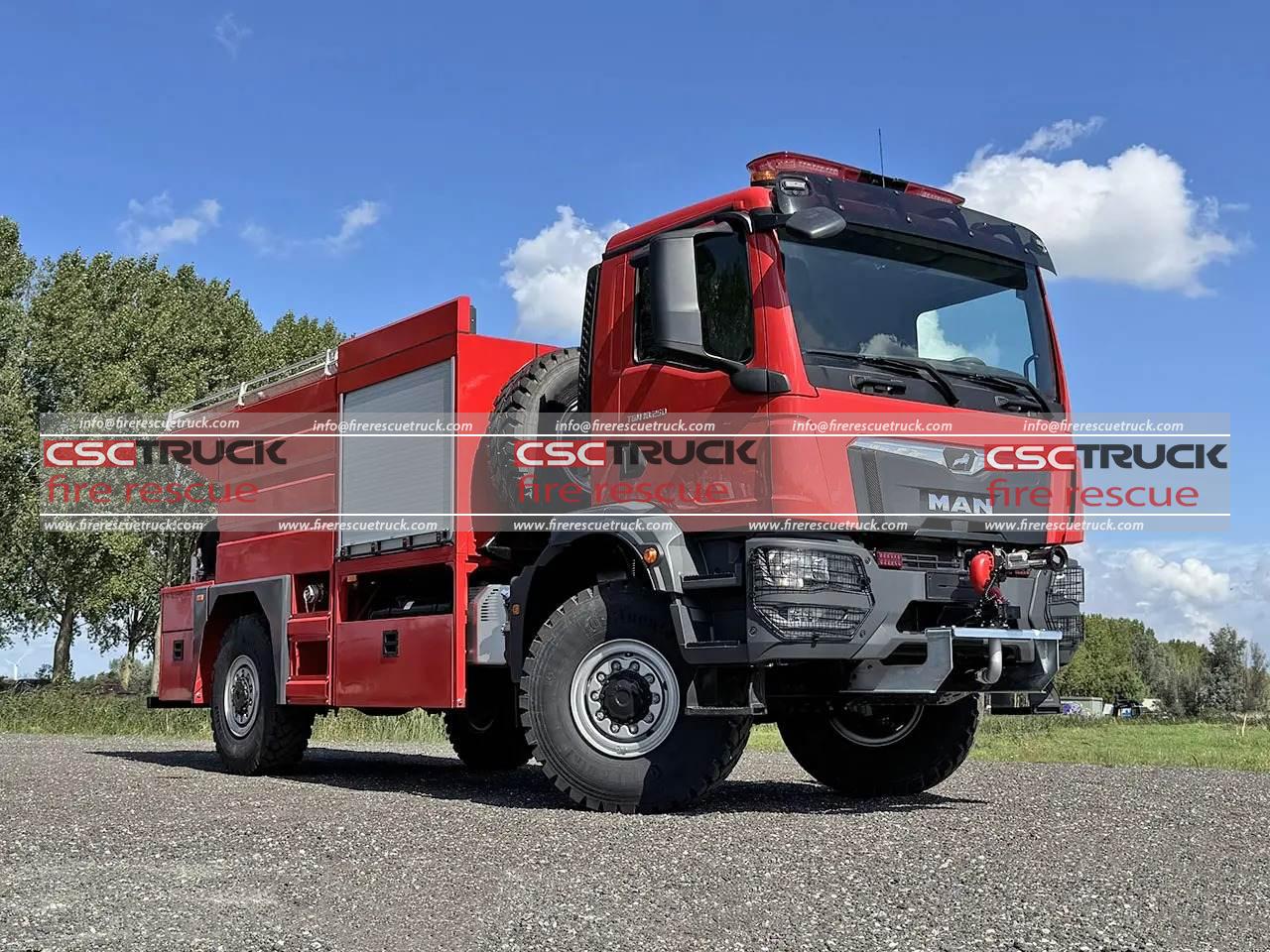
CSCTRUCK Fire Rescue Truck Overview
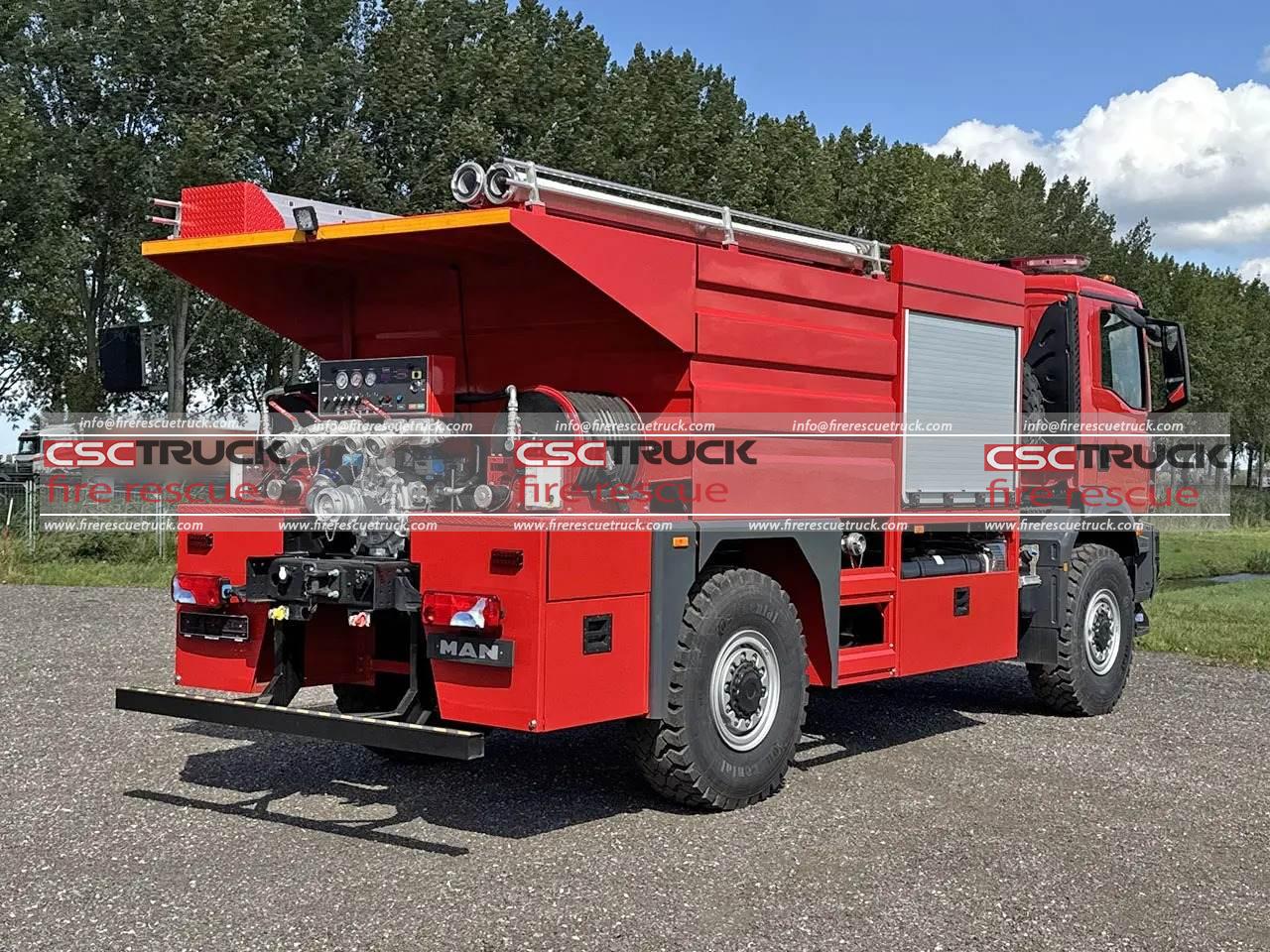
CSCTRUCK Fire Rescue Truck is a professional manufacturer specializing in a wide range of firefighting and rescue vehicles, including water tenders, foam fire trucks, and multi-purpose emergency response units. These vehicles are designed for demanding fireground conditions, particularly in regions where hydrant access is limited or unavailable.
CSCTRUCK Fire Rescue Truck water tenders are engineered with:
- Large-capacity water tanks
- High-flow pumping systems
- Efficient water discharge and transfer equipment
- Compatibility with rural and wildland firefighting operations
One of the most important operational features integrated into many of these trucks is support for water shuttle operations, which often require the use of portable folding tanks (drop tanks) on the fireground.
What Are Portable Water Tanks (Drop Tanks)?
A portable water tank, commonly called a drop tank, is a collapsible temporary water reservoir used on the fireground.
These tanks are:
- Quickly deployed near the fire scene
- Filled by incoming water tenders
- Used as a continuous water source for fire engines
According to firefighting operational standards, drop tanks are a core component of water shuttle systems, where multiple water tenders transport water from a fill site to the fire scene in rotation.
Typically, the system works like this:
- A water tender arrives and “dumps” its load into the drop tank.
- A fire engine draws water from the drop tank using suction hoses.
- The tender leaves are replenished and return in a continuous cycle.
This creates a buffer storage system that prevents interruptions in the firefighting water supply.
Do Water Tenders Include Drop Tanks?
1. Yes — as standard or optional equipment
Most modern water tenders are equipped with at least 1 portable drop tank. These tanks are:
- Stored on the truck body
- Folded or compact when not in use
- Rapidly deployed at the fireground
In many fire service configurations, drop tanks are considered standard support equipment, not optional accessories, because they directly improve operational efficiency.
2. Why drop tanks are important for water tenders
Water tenders alone are not designed to continuously fight fires. Their primary role is to:
- Transport water
- Deliver water to the scene
- Support engine companies
However, without drop tanks, the entire shuttle system becomes less efficient.
Drop tanks allow:
- Continuous water availability
- Faster turnaround times for tenders
- Reduced waiting time for fire engines
- Better coordination in remote areas
As firefighting guidance shows, portable tanks are often the most efficient “dump site” for shuttle operations.
How Drop Tanks Work in Water Shuttle Operations
Water shuttle operations are common in areas without hydrants. These systems rely heavily on both water tenders and portable tanks working together.
A typical setup includes:
- Fill site (river, lake, hydrant, or tanker refill station)
- Water tenders (tankers)
- Drop tank at the fire scene
- Attack engine drafting from the tank
In operation:
- Tenders arrive sequentially
- Each tender offloads water into the drop tank
- Engines draw water from the tank continuously
- Tenders return to refill and repeat
This creates a relay-based supply chain that can sustain firefighting for hours or even days.
Why Drop Tanks Matter in Rural and Wildland Fires
In rural firefighting, water sources are often far away or completely unavailable. This makes water logistics a limiting factor in fire suppression.
Drop tanks solve several key problems:
1. Eliminating dependency on hydrants
Firefighters can operate even in remote terrain.
2. Increasing water storage at the scene
A single engine may carry only 500–1500 gallons, while drop tanks can hold thousands.
3. Improving the efficiency of water tenders
Instead of waiting at the scene, tenders quickly unload and return to refill.
4. Supporting sustained operations
Large fires require continuous water flow over long durations.
Water Tenders vs Drop Tanks: How They Work Together
It’s important to clarify that:
- A water tender = transport vehicle
- A drop tank = temporary storage system
They are not competing tools—they are complementary components of the same system.
Without water tenders:
- No water reaches the scene efficiently.
Without drop tanks:
- Water delivery becomes slow and inefficient.
Together, they form the backbone of rural fire suppression logistics.
Integration in Modern Firefighting Vehicles, Like CSCTRUCK Fire Rescue Truck
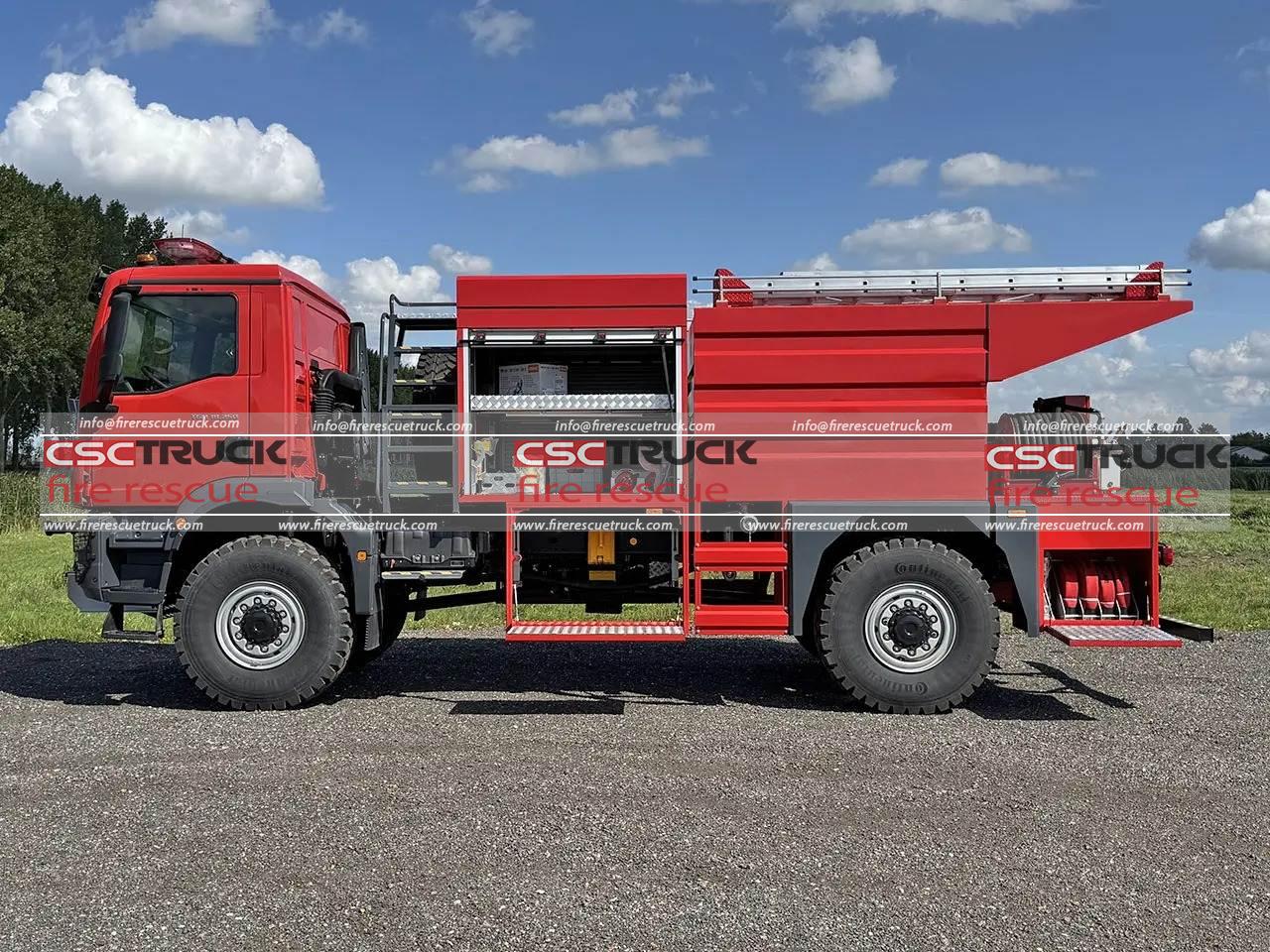
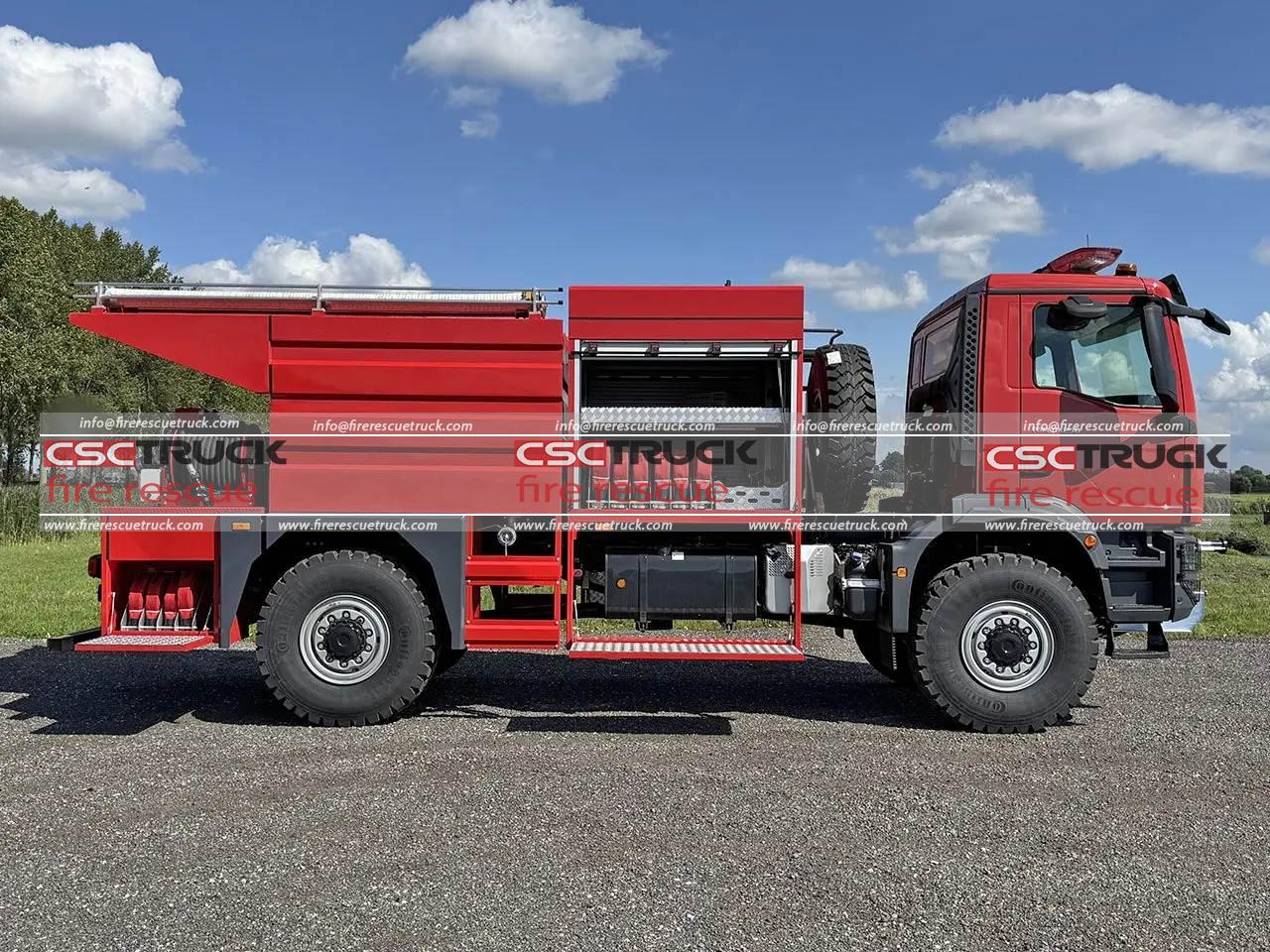
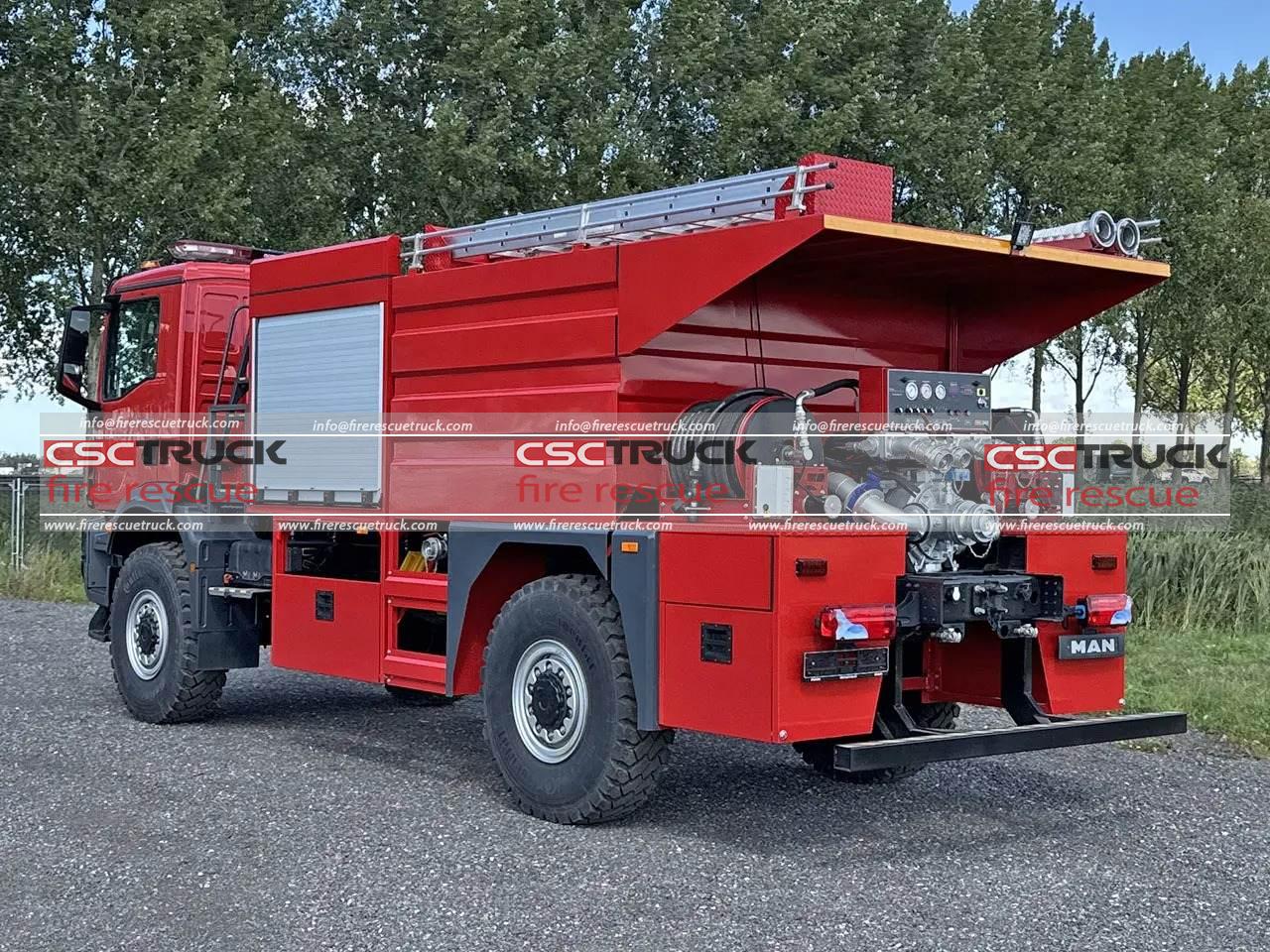
Manufacturers such as CSCTRUCK Fire Rescue Truck design water tenders with real operational workflows in mind. That includes:
- Rear or side dump valves for rapid unloading
- Hose connections for controlled discharge
- Storage compartments for foldable drop tanks
- Compatibility with portable water supply systems
This integration ensures that fire departments can quickly deploy a full water shuttle system without requiring additional specialized equipment.
Limitations of Drop Tanks
Although highly effective, drop tanks also have limitations:
- Require flat terrain for setup
- Need space near the fire scene
- Must be monitored to avoid overflow or contamination
- Can freeze in cold environments
Despite these challenges, they remain one of the most efficient solutions for rural firefighting water supply management.
Conclusion
So, does a water tender fire truck include portable water tanks (drop tanks)?
Yes—most water tenders either include them as standard equipment or are designed to operate with them as a core part of firefighting strategy.
Drop tanks are not just accessories; they are a critical link in water shuttle operations, enabling continuous water delivery in areas without hydrants. Combined with modern water tenders such as those produced by CSCTRUCK Fire Rescue Truck, they form a highly effective system for rural, wildland, and industrial firefighting scenarios.
In short:
- Water tenders move the water
- Drop tanks store the water
- Fire engines use the water
Together, they keep firefighting operations running when every gallon counts.