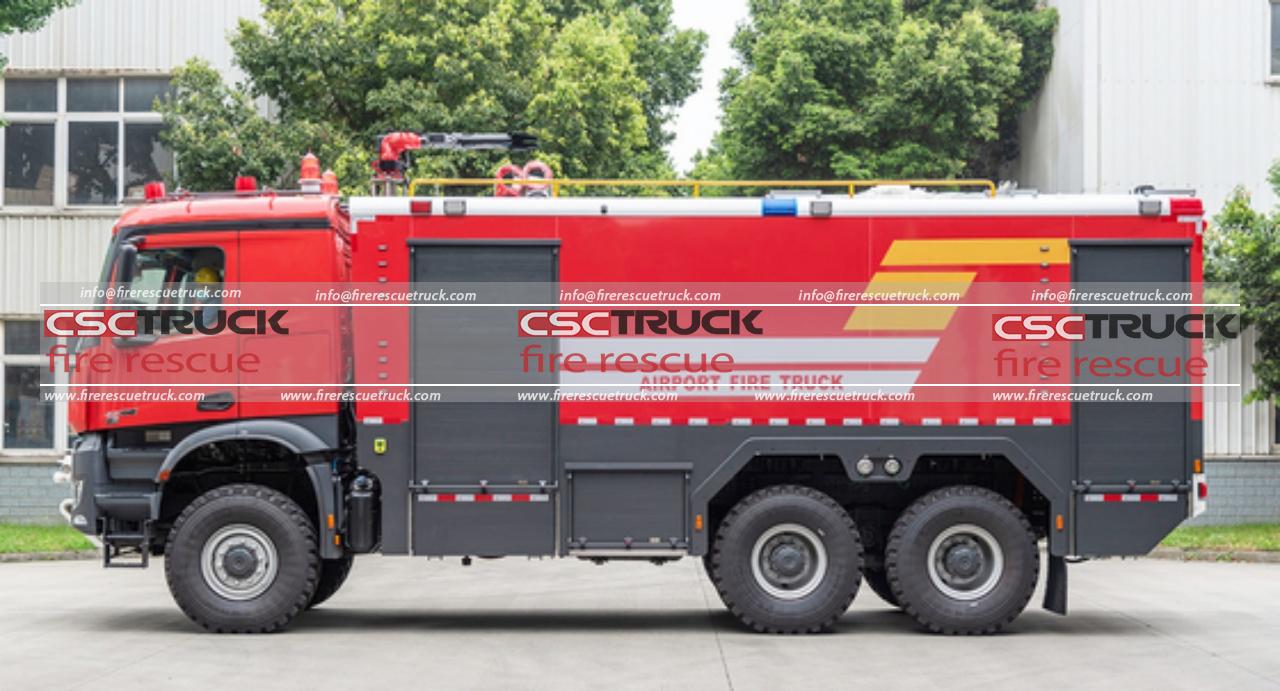
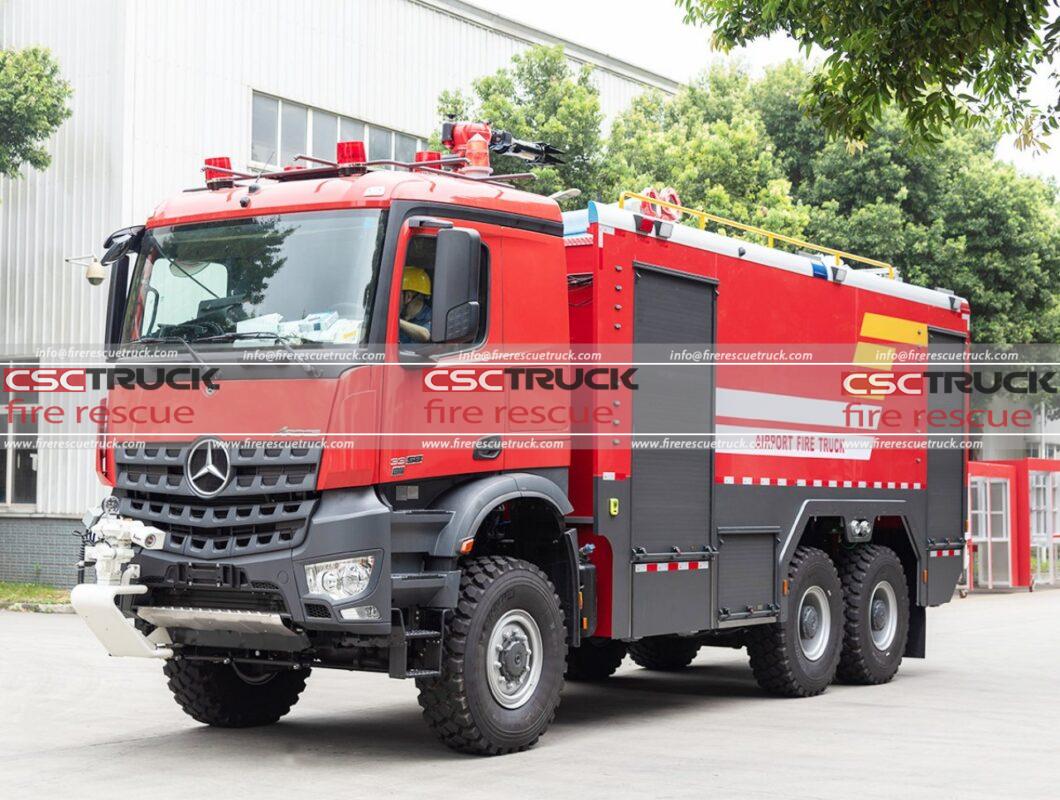
Airport firefighting is a highly specialized field where seconds determine outcomes, and equipment design can directly influence passenger safety. While most airport fire trucks—also known as Aircraft Rescue and Firefighting (ARFF) vehicles—follow international standards such as ICAO, FAA, and NFPA regulations, major international airports often demand far more customized solutions. These tailored configurations are shaped by an airport’s geographic conditions, runway layout, aircraft mix, response time targets, climate, and operational scale.
This article explores how customization meets real-world demands through several case studies from leading airports, including Singapore Changi, Dubai International, Frankfurt Airport, Denver International Airport, and Hong Kong International Airport. Together, these examples reveal how tailored ARFF solutions improve emergency readiness, response efficiency, and operational resilience in diverse conditions.
Why Customization Matters in Airport Fire Trucks
Typical ARFF vehicles feature high-powered engines, all-wheel drive, roof and bumper turrets, large water and foam tanks, dry chemical units, rapid intervention capabilities, and advanced communication systems. However, at the world’s busiest airports, unique risks require more than standardized designs:
1. Diverse Aircraft Types
Large airports service everything from small regional aircraft to Airbus A380 superjumbos. Firefighting vehicles must be equipped to handle fuselage heights exceeding 24 meters, wide wingspans, and multiple deck doors.
2. Extreme Climate Conditions
Airports located in deserts, snowy regions, coastal zones, or tropical environments require tailored cooling, insulation, traction systems, and corrosion-resistant materials.
3. Large Runway and Taxiway Networks
Airports with expansive layouts need high-speed ARFF units capable of reaching any point on-site within ICAO’s mandated 3 minutes.
4. Operational Specialization
Cargo hubs, military-civilian airports, and heavy-maintenance facilities each demand specific extinguishing systems and agent combinations.
With these factors in mind, many international airports commission customized ARFF vehicles engineered for their exact operational profile.
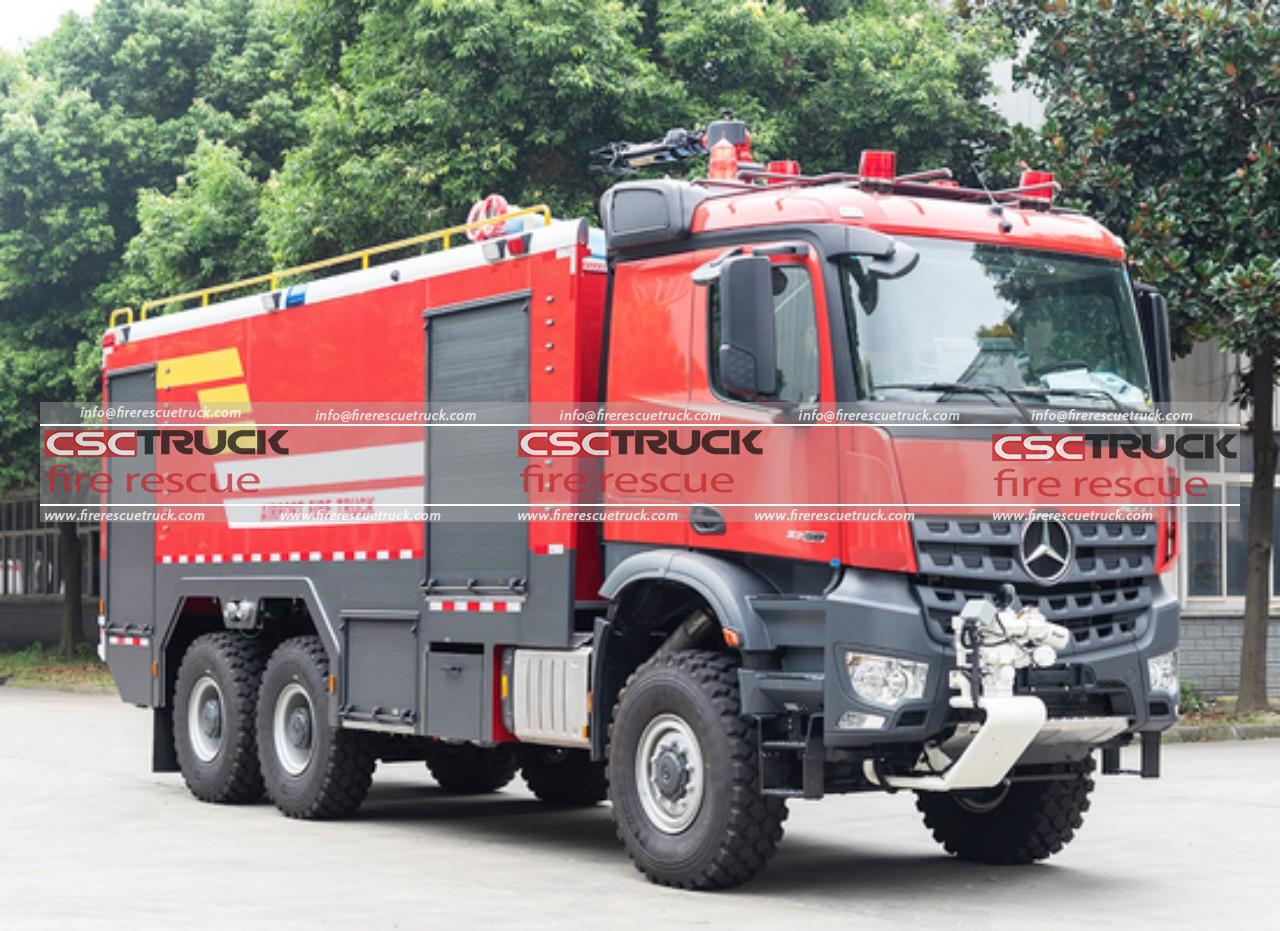
Case Study 1: Singapore Changi Airport — Multi-Agent, High-Reach Rescue Solutions
Singapore Changi Airport, consistently ranked among the world’s best, operates one of the most advanced ARFF fleets globally. A key customization is its adoption of multi-agent vehicles combining water, foam, dry chemical, and Clean Agent systems on a single platform.
Key Custom Features
- High-Reach Extendable Turrets (HRET): Designed for rapid fuselage penetration and cabin interior firefighting during onboard fires.
- High humidity and tropical climate optimization: Cooling systems and corrosion-resistant coatings are added to combat salt-laden coastal air.
- Ultra-fast acceleration: Changi’s large runway system requires vehicles that reach 120 km/h in under 25 seconds.
Operational Benefit
These specialized configurations allow rapid intervention in dense operational areas and improve the airport’s preparedness for wide-body aircraft incidents.
Case Study 2: Dubai International Airport (DXB) — Extreme Heat and A380 Readiness
Dubai International is one of the busiest international airports and a major hub for the Airbus A380. Its ARFF units—primarily Rosenbauer Panthers—are heavily customized for desert operations.
Key Custom Features
- Heat-resistant engine cooling systems for operations in temperatures exceeding 50°C.
- High-capacity extinguishing systems capable of handling large fuel loads from A380s.
- Sand-proof intakes and filtration systems to prevent engine damage.
- Long-range turrets with monitored flow to project foam over wide wingspans.
Operational Benefit
Extreme climate resilience enables uninterrupted readiness, while high-output turrets allow effective control of large-scale fuel fires under challenging desert conditions.
Case Study 3: Frankfurt Airport — Efficiency and European Multi-Role Compliance
Frankfurt Airport, Europe’s busiest hub by cargo traffic, requires firefighting vehicles that conform to both ICAO and EU firefighting regulations while supporting additional multi-role missions.
Key Custom Features
- Hybrid energy systems reduce idle emissions and maintain operational efficiency.
- Advanced electronic stability programs are required, given the airport’s complex road network.
- Custom crew cab designs that support both firefighting and technical rescue operations.
- Cold-climate agent storage systems to prevent foam degradation during winter.
Operational Benefit
These customized features support Frankfurt’s dual focus on sustainability and operational versatility, enabling efficient response across varying emergency types.
Case Study 4: Denver International Airport — High-Altitude and Snow-Focused Customization
Denver International Airport, located over 1,650 meters above sea level, faces unique challenges, including extreme snow, altitude-related engine efficiency reduction, and long runway distances.
Key Custom Features
- Turbo-optimized powertrains to compensate for reduced engine performance in thin air.
- Snow-optimized tires and traction systems tailored for icy conditions.
- Heated agent storage tanks to prevent aqueous film-forming foam (AFFF) from freezing.
- High-visibility LED packages for improved performance in blizzard conditions.
Operational Benefit
These specialized adaptations ensure Denver maintains ICAO response times even during severe winter storms—conditions that significantly slow standard ARFF vehicles.
Case Study 5: Hong Kong International Airport (HKIA) — High-Resilience Coastal and Typhoon-Ready ARFF Solutions
Hong Kong International Airport operates on reclaimed land and is frequently exposed to coastal storms and typhoons. Its ARFF fleet is designed for both resilience and rapid response.
Key Custom Features
- Salt-corrosion-resistant body structures and fittings to withstand marine air exposure.
- High-torque engines to ensure rapid acceleration on long runway structures built over reclaimed land.
- All-weather communication systems capable of operating during typhoon-level winds.
- Dual-agent systems to address cargo and passenger aircraft incidents, including lithium battery fires.
Operational Benefit
HKIA’s customized units ensure consistent readiness through extreme weather and high-risk cargo operations.

Cross-Airport Comparison: What Customization Trends Reveal
Analyzing these case studies highlights several global trends shaping the development of customized airport fire trucks:
1. Rise of High-Reach Extendable Turrets (HRET)
Large airports increasingly equip ARFF units with HRETs to address upper-deck aircraft and improve interior firefighting capability.
2. Climate-Specific Engineering
Hot, cold, humid, and coastal environments require tailored cooling systems, insulation, and corrosion protection.
3. Multi-Agent Systems
Combining water, foam, dry chemical, and clean agents on one vehicle is now essential for airports handling diverse aircraft and cargo categories.
4. Rapid Mobility and High-Speed Performance
Airports are expanding, and ARFF units must achieve 120–140 km/h speeds with fast acceleration to meet ICAO’s 3-minute rule.
5. Sustainability and Hybrid Technologies
Major European and Asian airports are increasingly integrating eco-friendly powertrains and reduced-emission systems.
Conclusion
Customized airport fire trucks are no longer optional—they are essential tools shaped by the unique demands of modern aviation. From desert climates and snow-heavy regions to coastal hubs and high-traffic super-airports, each environment demands specialized solutions that go far beyond standard ARFF designs.
The case studies of Changi, Dubai, Frankfurt, Denver, and Hong Kong demonstrate how tailored engineering enhances response time, fire suppression efficiency, firefighter safety, and long-term operational resilience.
As global aviation continues to expand, innovate, and diversify, airports worldwide will increasingly rely on customized ARFF vehicles designed not just to meet safety regulations but to exceed them through precision, technology, and mission-ready performance.