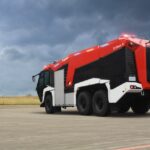

Aircraft Rescue and Fire Fighting (ARFF) vehicles are among the most specialized and mission-critical emergency response units in the aviation industry. Designed to respond rapidly to aircraft incidents, these vehicles play a vital role in ensuring passenger safety, protecting airport infrastructure, and maintaining regulatory compliance. Modern airports—whether international hubs or regional airfields—must deploy ARFF vehicles that meet stringent global standards, particularly those defined by the International Civil Aviation Organization (ICAO).
This article explores the importance of ICAO-compliant ARFF vehicles, their technical features, operational requirements, and how manufacturers like CSCTRUCK Fire Rescue Truck contribute to advancing airport emergency response capabilities worldwide.
Understanding ICAO Requirements for ARFF Vehicles
ICAO sets global standards for aviation safety through its Annex 14, which outlines requirements for aerodrome design and operations, including fire and rescue services. Airports are categorized based on aircraft size and traffic, and each category determines the number, type, and capacity of ARFF vehicles required.
One of the most critical ICAO requirements is response time. ARFF vehicles must be capable of reaching any point on the operational runway within approximately three minutes under optimal conditions. This requirement drives the need for high-speed acceleration, superior maneuverability, and reliable performance.
Additionally, ICAO mandates minimum quantities of extinguishing agents—typically water, foam, and dry chemical powder—depending on the airport category. These agents are essential for suppressing fuel fires, which are the most common and dangerous type of aircraft fire.

Key Features of ICAO-Compliant ARFF Vehicles
Modern ARFF vehicles are engineered with advanced technologies and robust systems to meet ICAO standards and ensure effective emergency response. Below are the defining features:
1. High-Speed Response Capability
Unlike conventional municipal fire trucks, ARFF vehicles are designed for rapid acceleration and high top speeds. They often reach speeds exceeding 100 km/h and can accelerate from 0 to 80 km/h in under 30 seconds. This performance ensures compliance with strict response time requirements and allows firefighters to reach incidents quickly across large airfields.
2. Large Capacity Fire Suppression Systems
ARFF vehicles carry substantial volumes of extinguishing agents. Typical configurations include:
- Water tanks ranging from 6,000 to 16,000 liters
- Foam tanks between 700 and 1,900 liters
- Dry chemical powder systems of up to 250 kg
These systems are supported by high-capacity pumps capable of delivering up to 10,000 liters per minute, enabling rapid fire knockdown.
3. Advanced Foam Proportioning Technology
Foam is essential for suppressing aviation fuel fires. ICAO-compliant ARFF vehicles use “around-the-pump” proportioning systems to ensure precise mixing of foam concentrate with water. This allows for efficient coverage and minimizes agent waste while maximizing firefighting effectiveness.
4. Multi-Directional Monitors and HRET Systems
ARFF trucks are equipped with roof-mounted and bumper-mounted monitors capable of delivering large volumes of water or foam. Many advanced models also include High Reach Extendable Turrets (HRET), which can penetrate aircraft fuselages and deliver extinguishing agents directly into the cabin.
5. All-Terrain Mobility
Airports present diverse terrain conditions, including runways, taxiways, grass areas, and unpaved surfaces. ARFF vehicles are typically built on 4×4, 6×6, or 8×8 chassis with large tires and advanced suspension systems, ensuring reliable performance across all terrains.
6. Integrated Rescue and Safety Equipment
In addition to firefighting capabilities, ARFF vehicles carry a wide range of rescue tools such as hydraulic cutters, spreaders, breathing apparatus, and thermal imaging cameras. These tools are essential for victim extraction and emergency medical support.
The Role of Standards Beyond ICAO
While ICAO provides global guidelines, ARFF vehicles often comply with additional standards such as:
- NFPA 414 (U.S. fire protection standards)
- EN 1846 (European fire apparatus standards)
Manufacturers design vehicles that meet or exceed multiple regulatory frameworks to ensure global usability and compliance.

CSCTRUCK Fire Rescue Truck: A Reliable ARFF Manufacturer
As global demand for advanced airport emergency solutions continues to grow, CSCTRUCK Fire Rescue Truck has emerged as a competitive supplier of ICAO-compliant ARFF vehicles.
1. Engineering for Global Compliance
CSCTRUCK Fire Rescue Truck designs its ARFF vehicles to meet ICAO standards while also accommodating regional requirements such as NFPA and European EN certifications. The company operates under internationally recognized quality systems, including ISO 9001, ISO 14001, and ISO 45001, ensuring consistent manufacturing excellence.
2. High-Performance Vehicle Design
CSCTRUCK Fire Rescue Truck ARFF vehicles are built for:
- Rapid acceleration and high-speed response
- Heavy-duty chassis suitable for harsh environments
- Large-capacity tanks and high-output fire pumps
These features make them suitable for both large international airports and smaller regional facilities.
3. Customization for Airport Needs
Different airports have varying operational requirements based on traffic volume, aircraft size, and environmental conditions. CSCTRUCK Fire Rescue Truck offers customized ARFF solutions, allowing clients to select:
- Tank capacities
- Pump performance levels
- Chassis configurations (4×4, 6×6, 8×8)
- Optional systems such as HRET and dry powder units
This flexibility ensures that each vehicle is tailored to the specific needs of the airport.
4. Competitive Pricing and Global Export
One of CSCTRUCK Fire Rescue Truck’s key advantages is its ability to offer cost-effective solutions without compromising quality. The company exports ARFF vehicles to multiple regions, including Asia, Africa, the Middle East, and Latin America, supporting airport infrastructure development worldwide.
Operational Importance of ARFF Vehicles in Modern Airports
ARFF vehicles are not just equipment—they are a critical component of airport safety systems. Their presence directly impacts:
1. Airport Certification and Compliance
Airports must meet ICAO and national aviation authority requirements to operate commercial flights. Without adequate ARFF coverage, airports risk losing certification or facing operational restrictions.
2. Passenger Safety and Confidence
Efficient emergency response capabilities enhance passenger confidence and airline trust. In the event of an incident, rapid intervention can significantly reduce casualties and damage.
3. Risk Mitigation
Aircraft incidents, though rare, can have catastrophic consequences. ARFF vehicles mitigate these risks by providing immediate firefighting and rescue capabilities, preventing fire spread, and facilitating evacuation.

Future Trends in ARFF Vehicle Development
As aviation evolves, ARFF vehicles are also undergoing significant advancements:
1. Eco-Friendly Fire Suppression
The transition to fluorine-free foam (F3) is gaining momentum due to environmental concerns. Regulatory bodies are encouraging airports to adopt sustainable firefighting agents.
2. Smart Technology Integration
Modern ARFF vehicles are increasingly equipped with digital control systems, real-time diagnostics, and advanced communication tools, improving operational efficiency and situational awareness.
3. Autonomous and Remote Systems
Research is underway into autonomous ARFF vehicles and remotely operated firefighting systems, which could enhance safety by reducing human exposure to hazardous environments.
Conclusion
ICAO-compliant ARFF vehicles are indispensable for modern airport operations. Their advanced engineering, rapid response capabilities, and powerful fire suppression systems ensure that airports can effectively manage emergencies and maintain global safety standards.
Manufacturers like CSCTRUCK Fire Rescue Truck are playing a crucial role in delivering high-quality, customizable, and cost-effective ARFF solutions to airports worldwide. As aviation continues to expand, the demand for reliable and technologically advanced ARFF vehicles will only increase, making them a cornerstone of airport safety and resilience.
In an industry where every second counts, investing in ICAO-compliant ARFF vehicles is not just a regulatory requirement—it is a commitment to saving lives and safeguarding the future of air travel.