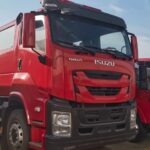
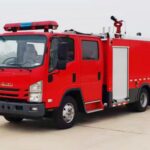
Firefighting operations rely heavily on rapid access to water, especially in areas where hydrants are unavailable or insufficient. One of the most essential support vehicles in such scenarios is the fire tender apparatus, also widely known as a water tender or water bowser in some regions. A common question among fire service professionals, equipment buyers, and enthusiasts is: How much water can a typical fire tender apparatus actually hold?
The answer is not fixed, as capacities vary widely depending on design, application, and regional firefighting standards. However, understanding the typical ranges, influencing factors, and operational implications helps clarify the role of these vital emergency vehicles.
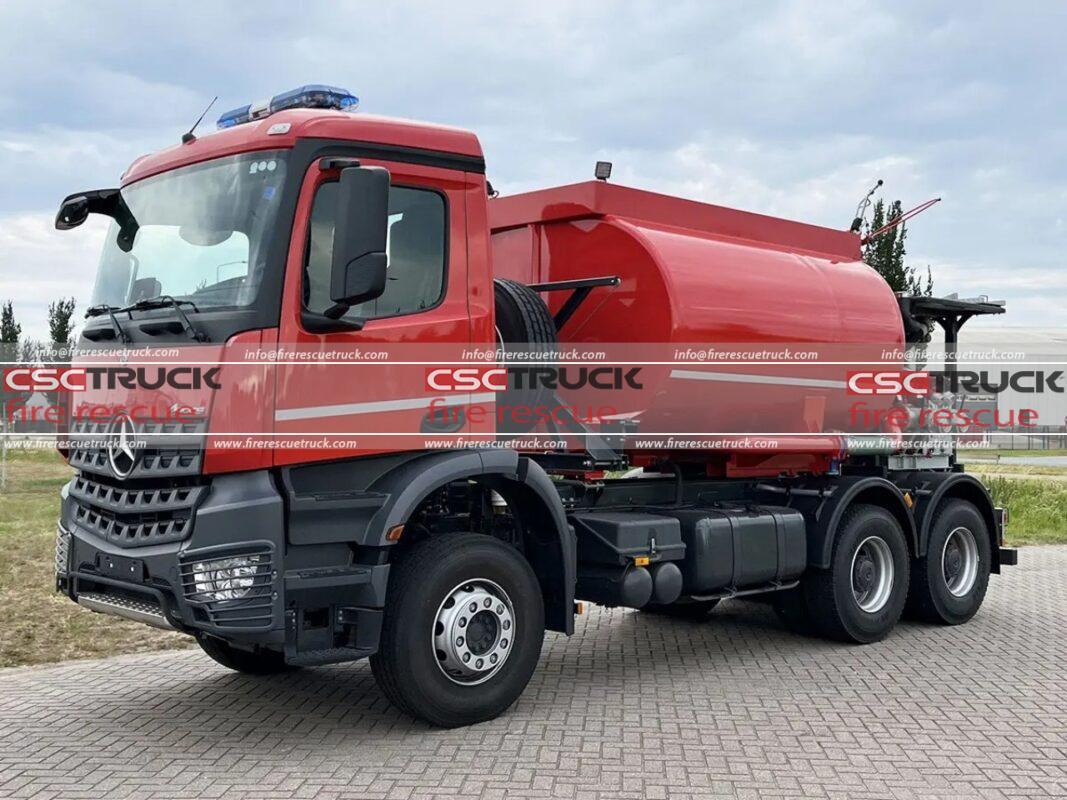
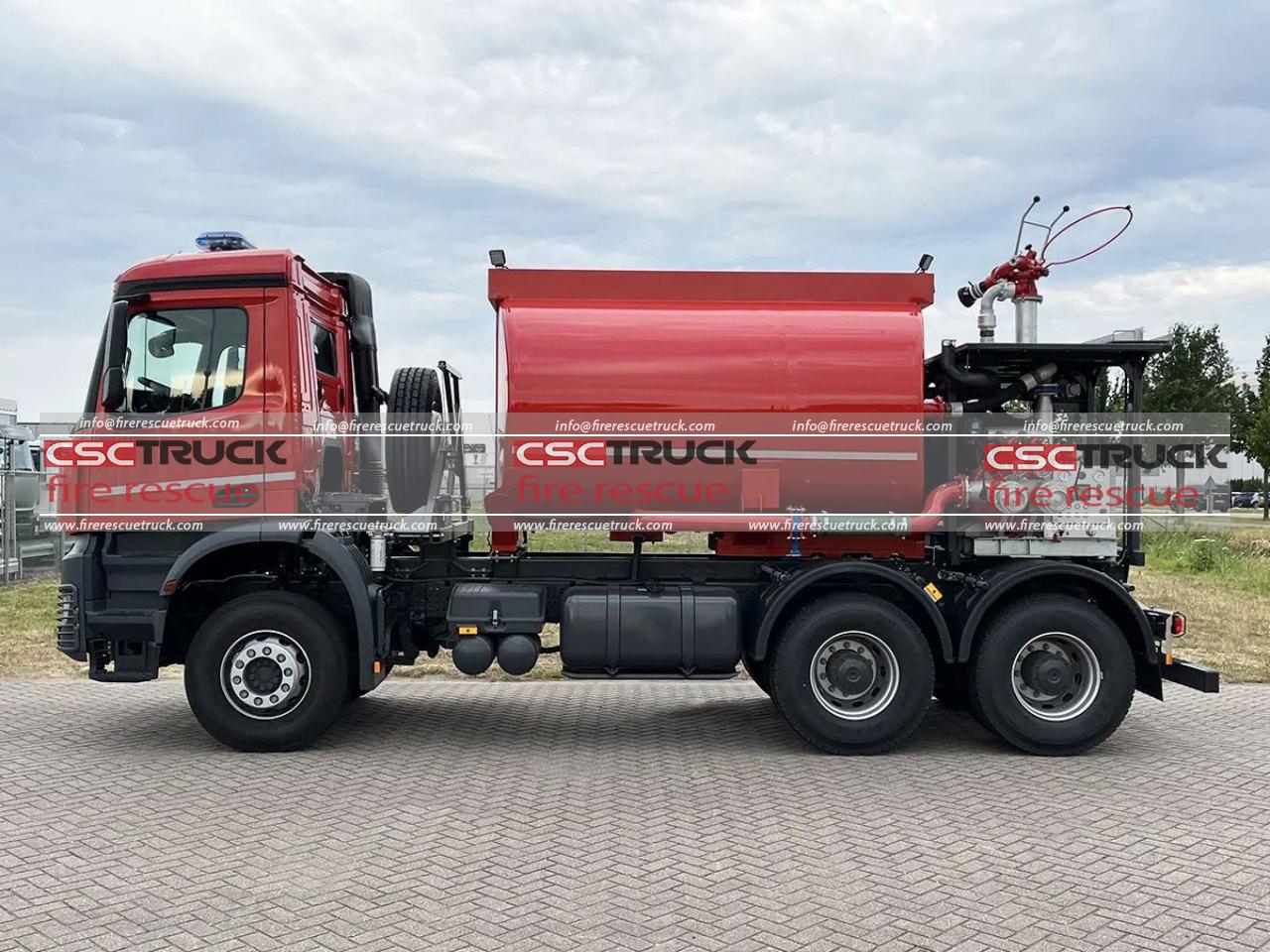
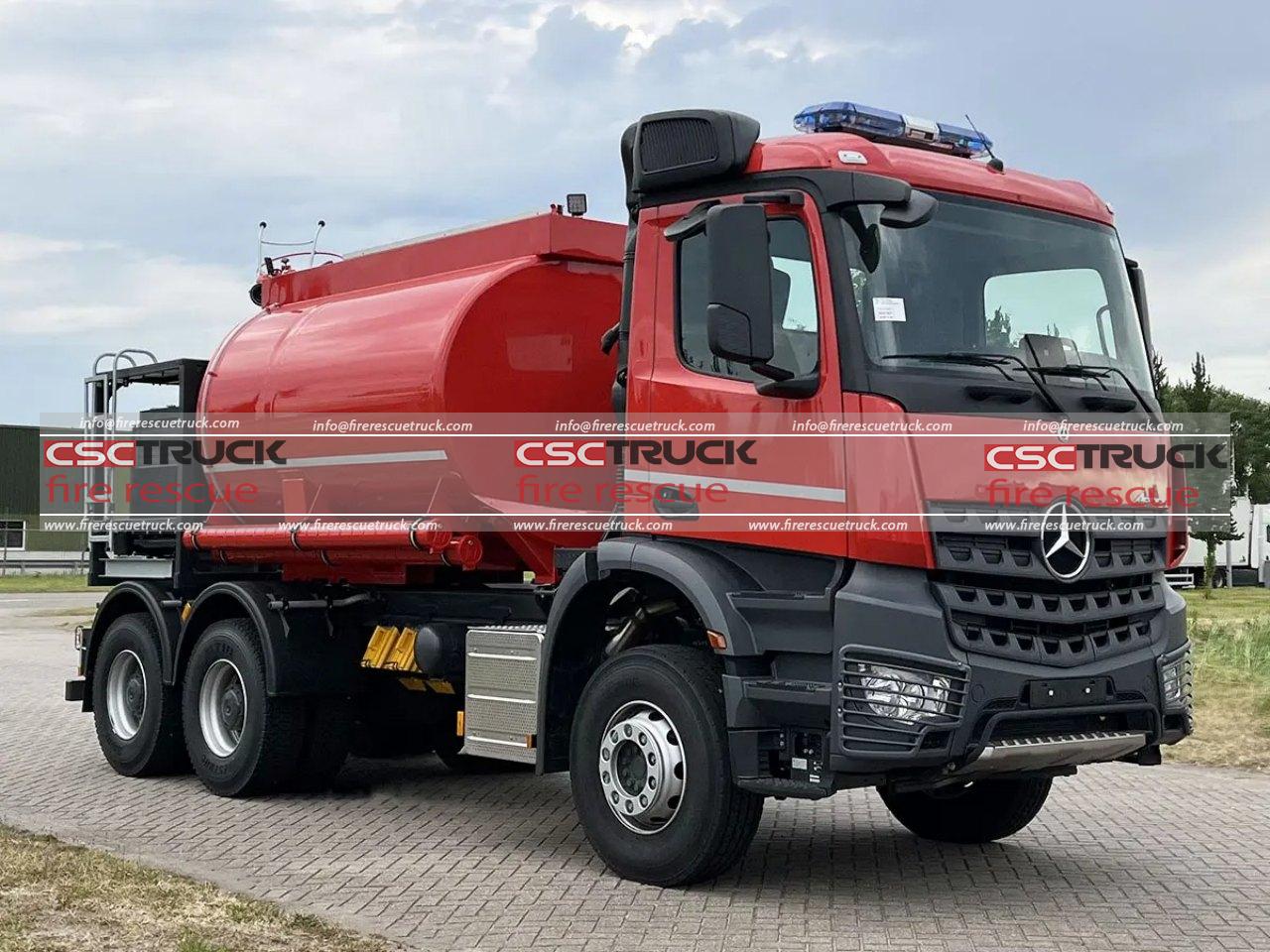
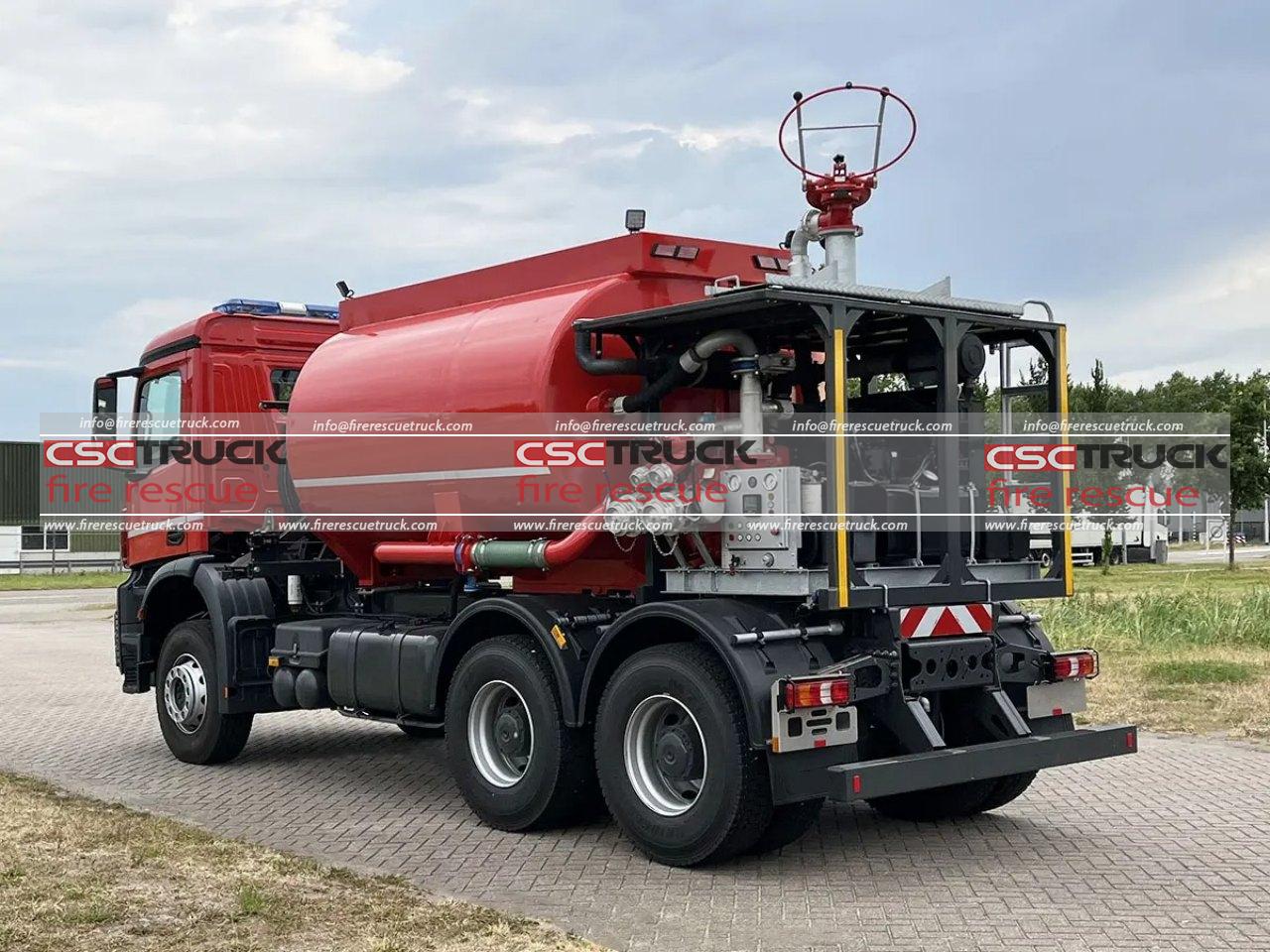
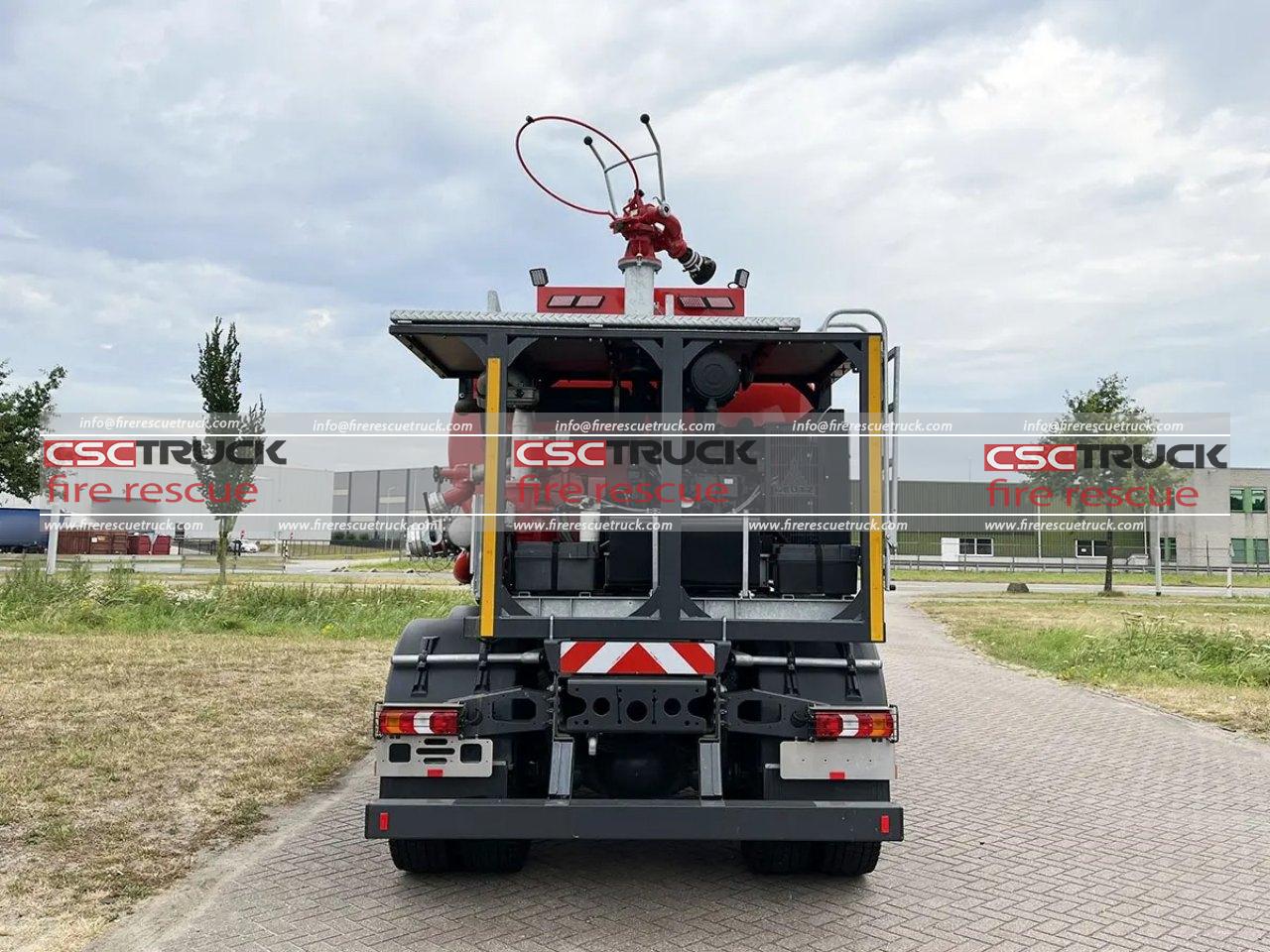
To better understand modern water tender technology, it is useful to first look at manufacturers that specialize in heavy-duty fire and rescue vehicles. Companies such as CSCTRUCK Fire Rescue Truck have developed a wide range of fire apparatus designed for municipal fire departments, industrial sites, and rural emergency response. These vehicles are engineered with high-capacity water tanks, durable chassis structures, and efficient pumping systems that allow firefighters to deliver large volumes of water directly to the fire scene, especially in remote or undeveloped areas.
Understanding the Fire Tender Apparatus
A fire tender apparatus is a specialized firefighting vehicle designed primarily to transport large quantities of water to fire-affected locations. Unlike standard fire engines that rely on nearby hydrants, fire tenders act as mobile water reservoirs, ensuring a continuous water supply during firefighting operations.
They are particularly critical in:
Rural and remote firefighting zones
Wildland fire suppression
Industrial fire emergencies
Areas with limited hydrant infrastructure
Emergency backup water supply operations
Because of their supporting role, water capacity becomes one of their most important design features.
Typical Water Capacity Range
The water-holding capacity of a typical fire tender apparatus generally falls within the following ranges:
1. Small Fire Tenders
Capacity: 1,000 to 3,000 liters
Usage: Small municipalities, industrial complexes, or narrow urban roads
These compact units are often built on light-duty truck chassis and are designed for maneuverability rather than large-scale water transport. They are suitable for quick response in tight urban environments or small facilities.
2. Medium Fire Tenders
Capacity: 3,000 to 8,000 liters
Usage: Municipal fire departments and suburban regions
This is the most common category globally. Medium fire tenders offer a balanced combination of mobility and water storage. They are widely used for general firefighting support, especially in cities where hydrant systems may not fully cover outer districts.
3. Large Fire Tenders
Capacity: 8,000 to 15,000 liters
Usage: Rural fire services, industrial firefighting, wildland operations
These heavy-duty vehicles are built on reinforced chassis and often include high-performance pumping systems. They are essential in rural areas where water sources may be kilometers away from fire incidents.
4. Extra-Large or Specialized Water Tenders
Capacity: 15,000 to 30,000+ liters
Usage: Large-scale industrial zones, airports, military bases, and wildfire logistics support
These are less common but critical in specialized operations. Some are semi-trailer-based or modular units that can be deployed for extended firefighting campaigns.
Factors That Influence Water Capacity
Several engineering and operational factors determine how much water a fire tender can carry:
1. Chassis Strength and Design
The vehicle chassis must support the combined weight of water, equipment, and crew. Since 1,000 liters of water weighs approximately 1 metric ton, structural limitations directly affect capacity.
2. Axle Configuration
More axles allow for higher load distribution. For example:
Lighter materials can slightly increase usable water capacity without exceeding weight limits.
4. Local Road Regulations
Different countries impose strict axle load limits. Even if a truck can technically carry more water, legal restrictions may reduce operational capacity.
5. Additional Equipment Load
Fire tenders carry pumps, foam systems, hoses, ladders, and rescue tools. These reduce the available payload capacity for water.
Role of Water Capacity in Firefighting Efficiency
Water capacity is directly linked to firefighting effectiveness. A higher-capacity fire tender can:
Sustain longer firefighting operations without refilling
Support multiple fire engines in relay operations
Operate in remote areas with limited water access
Reduce downtime during wildfire suppression
However, larger capacity is not always better. Fire services must balance water volume with maneuverability, speed, and accessibility.
For example, in dense urban environments, smaller tenders may be more effective due to narrow roads and traffic constraints. In contrast, rural or industrial firefighting often demands maximum water storage.
Modern Innovations in Fire Tender Design
Modern fire tender apparatuses are becoming increasingly advanced. Manufacturers like CSCTRUCK Fire Rescue Truck and others are integrating new technologies such as:
Lightweight composite water tanks
High-efficiency centrifugal fire pumps
Digital water level monitoring systems
Foam proportioning systems for chemical fires
Modular tank designs for flexible capacity adjustment
These innovations allow fire departments to optimize performance while maintaining compliance with safety and road regulations.
Water Replenishment Strategies
A fire tender does not operate in isolation. Its effectiveness depends on water replenishment strategies, including:
Shuttle operations between water sources and fire zones
Use of hydrant refill stations
Drafting water from lakes, rivers, or reservoirs
Establishing temporary water supply tanks
In large-scale emergencies, multiple fire tenders work in rotation to ensure a continuous water supply.
Conclusion
A typical fire tender apparatus can hold anywhere from 1,000 liters to over 30,000 liters of water, depending on its size, design, and intended application. Most standard municipal fire tenders fall within the 3,000 to 10,000-liter range, which provides a practical balance between capacity and mobility.
Manufacturers such as CSCTRUCK Fire Rescue Truck continue to play a key role in advancing fire apparatus design, offering high-performance vehicles that meet the demanding needs of modern firefighting operations.
Ultimately, water capacity is just one part of a much larger system. The effectiveness of a fire tender depends on how well it integrates with firefighting strategy, terrain conditions, crew coordination, and supporting infrastructure. As firefighting challenges continue to evolve—especially with increasing urbanization and wildfires—so too will the design and capability of these essential emergency vehicles.