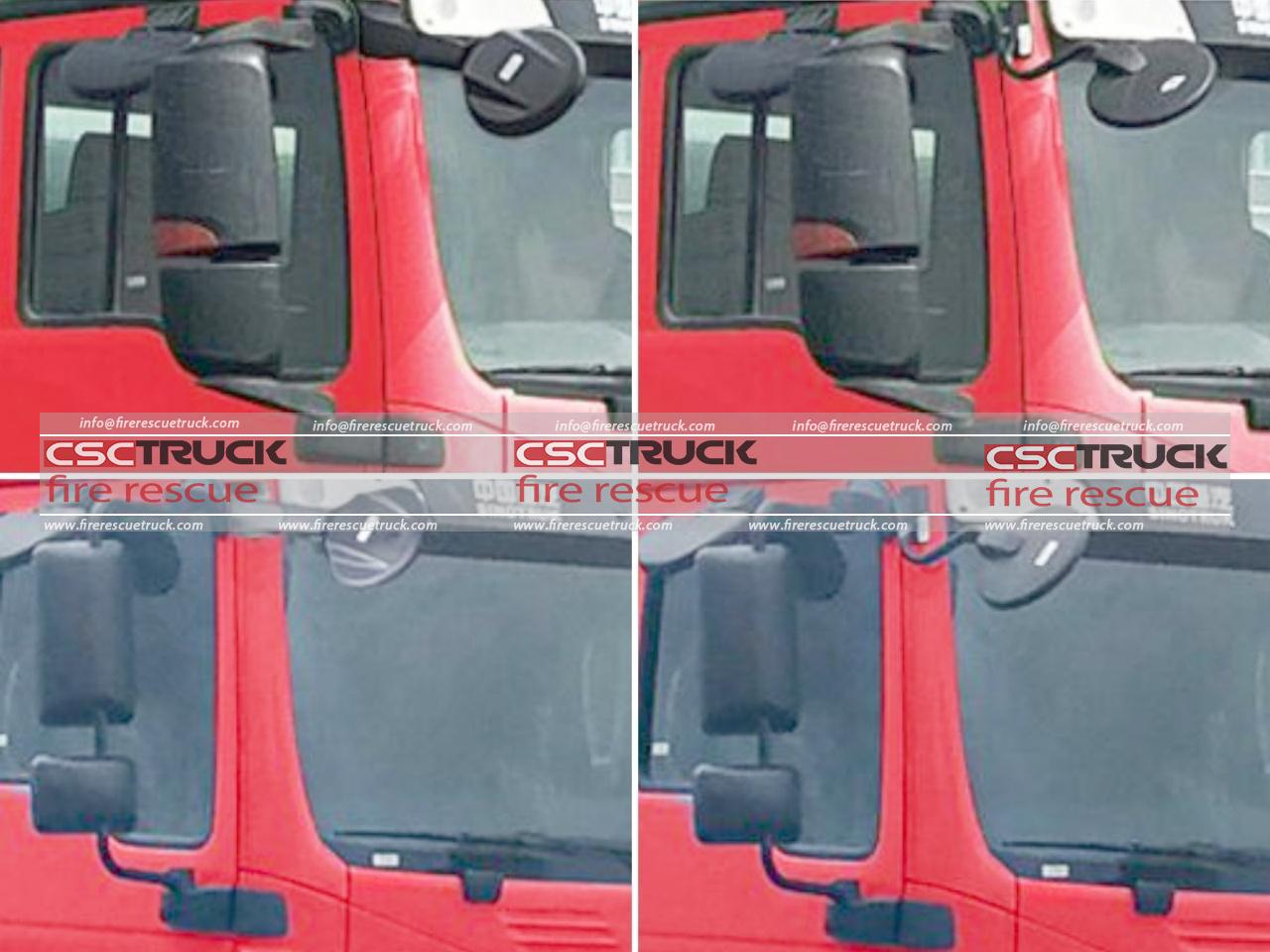
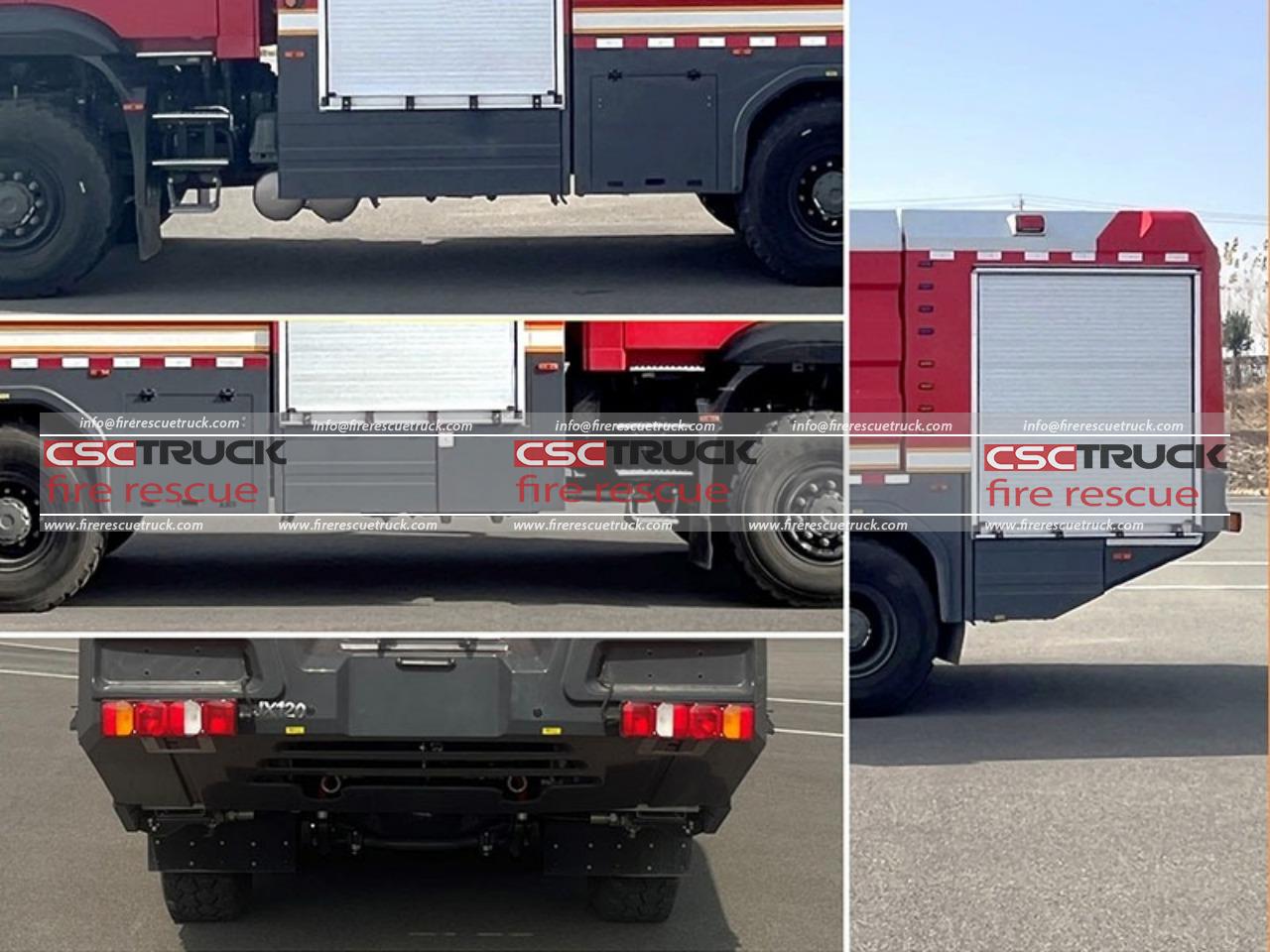
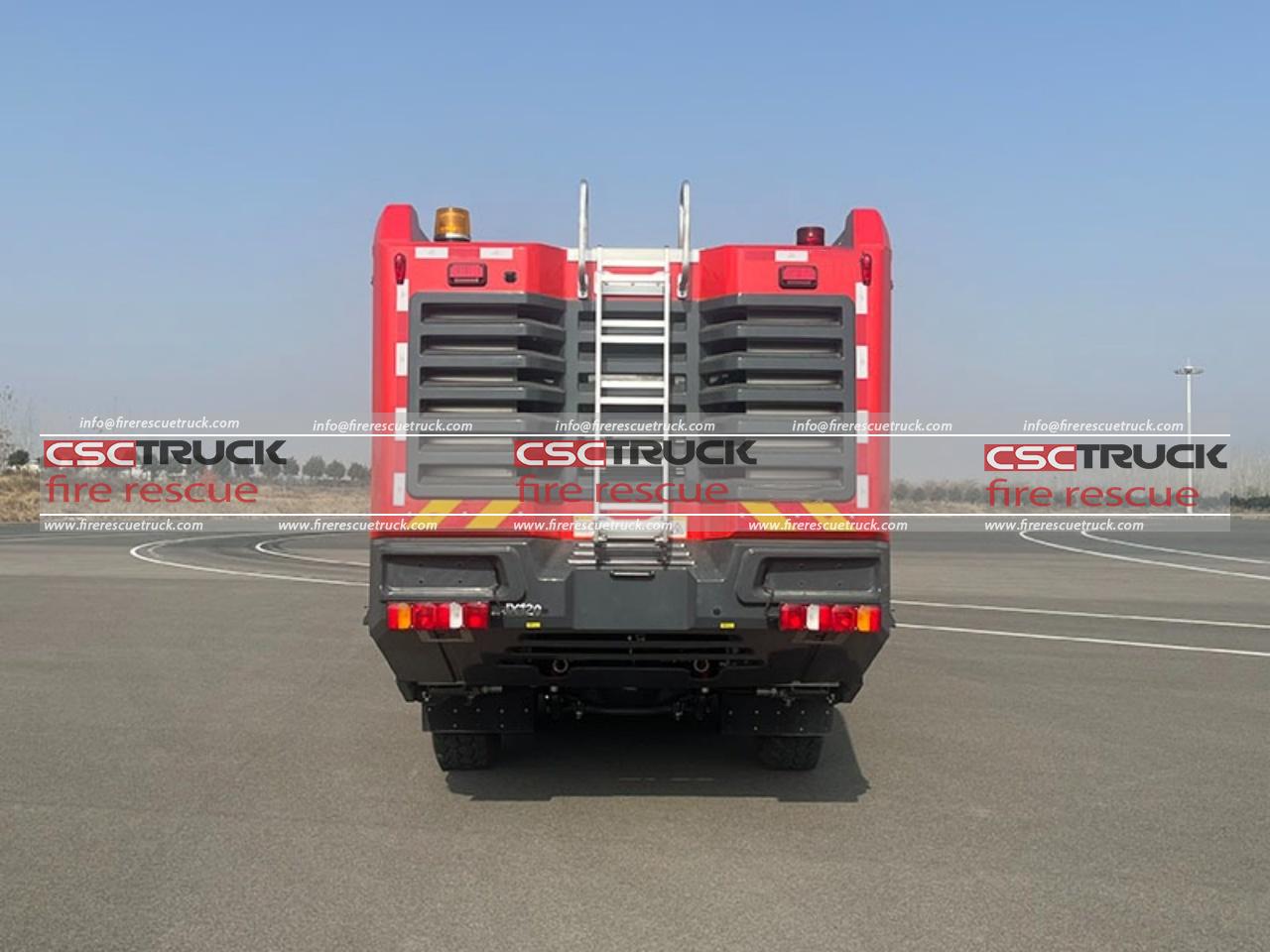
When an airport is looking for a crash tender for sale, choosing the right vehicle involves much more than comparing prices or water tank capacity. Airport firefighting vehicles must combine rapid response, high-capacity fire suppression, off-road mobility, crew safety, and reliable operation under demanding conditions.
A crash tender, also known as an Airport Rescue and Fire Fighting (ARFF) vehicle, is specifically designed for aircraft emergencies, including aviation fuel fires, runway incidents, aircraft crashes, and emergency rescue operations. The right configuration depends on the airport category, aircraft types, runway layout, terrain, firefighting requirements, and applicable regulations.
For airport authorities, aviation companies, military airfields, and fire departments searching for an airport fire vehicle for sale, understanding the key specifications can help ensure that the selected truck matches actual operational requirements.
What Is a Crash Tender?
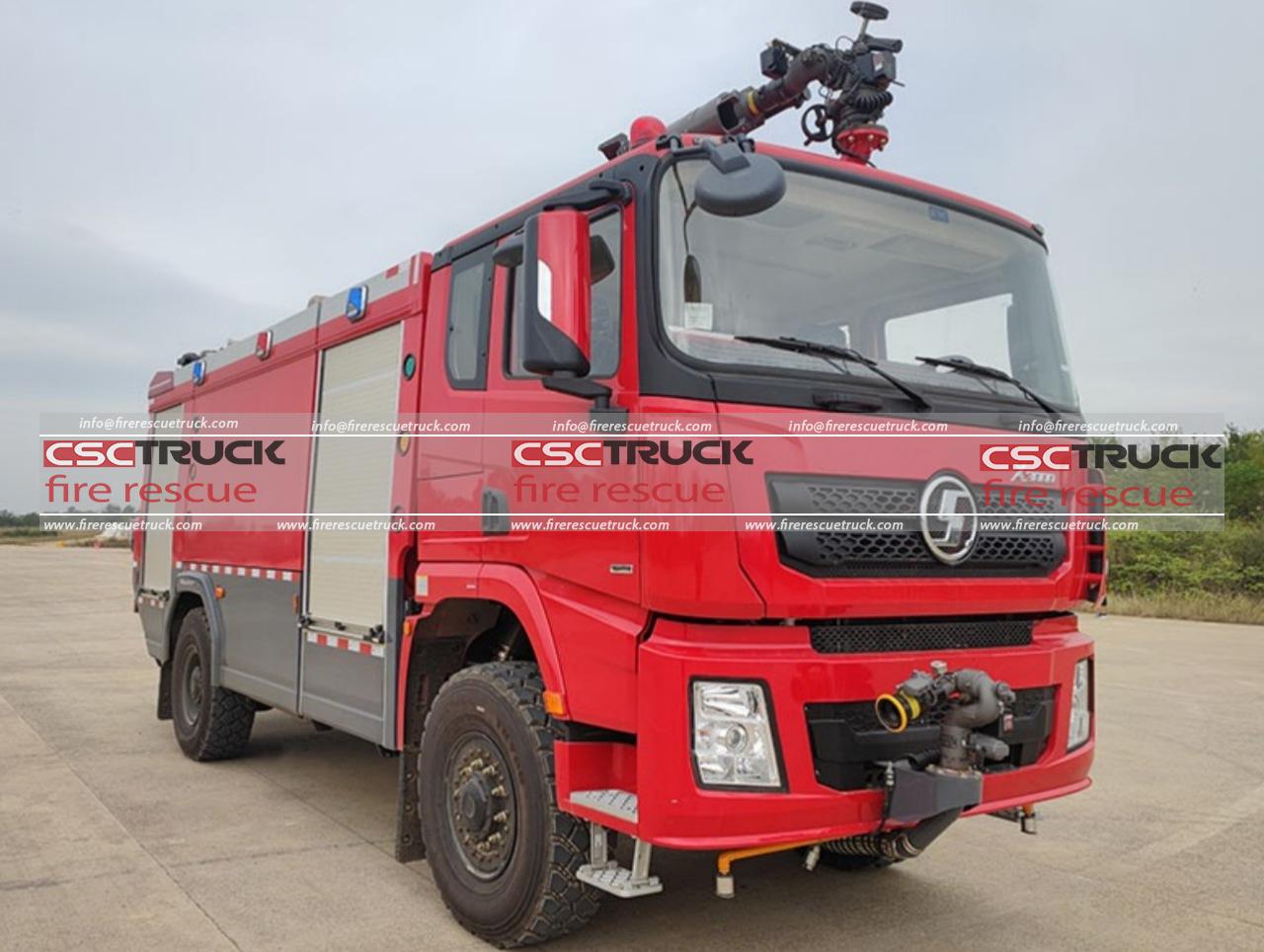
A crash tender is a specialized high-performance fire truck developed for airport emergency response. Unlike conventional municipal fire engines, crash tenders are designed to travel rapidly across large airfields and deliver large quantities of extinguishing agents against aircraft and fuel-related fires.
Typical features include:
High-capacity water tanks
Foam concentrate tanks and proportioning systems
High-output fire pumps
Roof-mounted firefighting monitors
Front or bumper turrets
High-speed chassis
4×4, 6×6, or 8×8 drivetrains
Off-road suspension and tires
Crew protection systems
Optional dry chemical systems
Rescue and aircraft emergency equipment
Modern ARFF vehicles may also incorporate advanced systems such as high-reach extendable turrets (HRET), thermal imaging, remote-controlled monitors, and specialized rescue equipment.
Therefore, when comparing a crash tender for sale, buyers should evaluate the entire vehicle rather than focusing on a single specification.
1. Start With Your Airport’s Required Category
The first step is determining the required airport rescue and firefighting category under the regulations applicable to your airport.
International airports commonly use ICAO-based requirements, while airports in different jurisdictions may also need to comply with national or regional standards such as FAA, NFPA, or EN requirements. These requirements influence the number of vehicles, extinguishing-agent quantities, vehicle performance, and other operational capabilities.
Before requesting a quotation, identify:
Airport rescue and firefighting category
Largest aircraft normally using the airport
Aircraft fuselage dimensions
Passenger and cargo traffic
Number of runways
Required response time
Local firefighting regulations
Future airport expansion plans
This information gives the manufacturer a technical basis for recommending the appropriate crash tender.
2. Match Water and Foam Capacity to the Application
Water capacity is one of the most visible specifications when searching for an airport fire truck for sale, but it should not be considered independently.
A larger aircraft may require greater quantities of extinguishing agents and higher sustained discharge rates. Depending on airport requirements, crash tenders can be configured with different water and foam capacities.
For example, CSCTRUCK Fire Rescue Truck‘s published ARFF information includes configurations using large water and foam tanks, high-output pumps, and long-range monitors for demanding airport applications.
When comparing vehicles, ask suppliers for:
Water tank capacity
Foam tank capacity
Foam proportioning method
Pump flow rate
Pump pressure
Monitor flow rate
Monitor range
Bumper turret performance
Optional dry chemical capacity
The objective is to ensure that the complete firefighting system can deliver the required agent at the required flow and range.
3. Check Acceleration and Maximum Speed
Airport emergency vehicles may need to travel significant distances across runways and taxiways. Consequently, acceleration can be just as important as maximum speed.
A suitable crash tender should be capable of rapid acceleration while carrying a substantial firefighting load. The chassis, engine, transmission, suspension, braking system, and tires must work together to provide stable high-speed operation.
Ask the manufacturer for documented information about:
Engine power
Torque
0–80 km/h acceleration
Maximum speed
Transmission type
Braking system
Turning radius
Loaded vehicle performance
Don’t select a truck based solely on its advertised top speed. Real-world performance with full water and foam tanks is more relevant to airport operations.
4. Evaluate 4×4, 6×6, or 8×8 Mobility
An aircraft emergency may occur away from a paved runway. Crash tenders therefore need to operate across grass, gravel, soft ground, service roads, and other difficult surfaces.
For airports with extensive airfields or challenging terrain, a 6×6 or 8×8 airport fire vehicle may provide additional traction and load-carrying capability.
Consider:
Drive configuration
Ground clearance
Approach and departure angles
Tire specification
Suspension design
Differential locks
Waterlogged or soft terrain
Climate and seasonal conditions
A 4×4 vehicle may be appropriate for some smaller airports, while larger airports may require heavy-duty 6×6 or 8×8 platforms. The correct choice should be based on the airport’s actual terrain and required firefighting capacity.
5. Examine the Firefighting Monitors
The firefighting monitor is one of the most important components of a crash tender because it determines how effectively water and foam can be applied from a safe distance.
Many airport fire trucks use roof-mounted monitors, while some configurations also include bumper-mounted systems.
Important specifications include:
Maximum flow rate
Horizontal range
Vertical reach
Remote-control capability
Oscillation function
Foam compatibility
Operator visibility
For large aircraft incidents, high-flow monitors can provide rapid application of foam across large areas. Some advanced ARFF vehicles can also be equipped with HRET systems for applying extinguishing agents to aircraft compartments.
6. Consider Foam and Other Extinguishing Agents
Aircraft fuel fires present different challenges from ordinary structural fires. Foam is therefore an important component of many airport firefighting systems.
When buying a crash tender, verify that the foam system is compatible with the foam concentrate specified by your airport and local regulations.
Also consider whether your operation requires additional agents such as dry chemical. Combined-agent vehicles can provide different suppression capabilities for complex aviation emergencies.
The supplier should clearly specify:
Foam tank material
Foam capacity
Proportioning system
Foam mixing ratio
Pump compatibility
Dry chemical system, if applicable
Agent discharge methods
7. Don’t Overlook Crew Safety and Ergonomics
A high-performance crash tender must also be practical for firefighters.
The cab should provide good visibility, comfortable seating, intuitive controls, and appropriate protection for the crew. Operators may need to control the vehicle, pump, monitor, communications equipment, and other systems while responding under significant pressure.
Evaluate:
Driver visibility
Cab layout
Seating capacity
Control accessibility
Communications equipment
SCBA storage
Emergency lighting
Thermal protection
Access and egress
A technically impressive vehicle is less useful if firefighters find its controls difficult to operate or its maintenance points difficult to access.
8. Consider Maintenance and After-Sales Support
Buying a crash tender for sale is a long-term investment. Purchase price is only one part of the total cost of ownership.
Before signing a contract, ask about:
Spare parts availability
Warranty period
Technical support
Maintenance manuals
Operator training
Firefighting system servicing
Chassis support
Delivery time
Remote technical assistance
For airports in Africa, Asia, the Middle East, Latin America, or other international markets, spare-parts logistics and after-sales support can be particularly important.
9. Why Consider CSCTRUCK Fire Rescue Truck?
CSCTRUCK Fire Rescue Truck is a Chinese manufacturer and supplier of specialized fire and rescue vehicles, with product solutions covering airport firefighting, water/foam fire trucks, rescue vehicles, aerial fire trucks, and other special-purpose apparatus. Its published ARFF solutions emphasize high mobility, large firefighting-agent capacity, powerful monitors, and configurations designed for different airport requirements.
For international airport projects, CSCTRUCK Fire Rescue Truck can provide customized configurations based on factors such as chassis type, tank capacity, firefighting system, airport operating conditions, and project requirements. The company also promotes direct manufacturer supply, engineering support, spare-parts assistance, and after-sales service.
For buyers requesting quotations, it is useful to provide the airport category, aircraft types, required water and foam capacity, preferred chassis configuration, applicable standards, destination country, and quantity. This allows the manufacturer to prepare a more accurate configuration and quotation.
10. Compare the Complete Vehicle, Not Just the Price
When reviewing different crash tenders for sale, create a technical comparison table rather than choosing based on the lowest initial price.
Compare:
Specification
What to Check
Airport category
Required ARFF level
Chassis
4×4, 6×6, or 8×8
Engine
Power and torque
Acceleration
Loaded performance
Maximum speed
Airfield response capability
Water tank
Required capacity
Foam tank
Capacity and compatibility
Pump
Flow and pressure
Roof monitor
Flow, range, control
Bumper monitor
Flow and application
HRET
Required or optional
Dry chemical
Capacity and discharge
Crew cab
Capacity and ergonomics
Rescue equipment
Required tools
Warranty
Coverage and duration
After-sales
Parts, training, technical support
Conclusion
Selecting the right crash tender for sale is a technical and operational decision. Airport authorities should begin with their required firefighting category and aircraft profile, then evaluate water and foam capacity, pump and monitor performance, acceleration, drivetrain, terrain capability, crew safety, rescue equipment, regulatory compliance, and long-term maintenance support.
The most expensive or largest airport fire truck is not automatically appropriate for every airport. The right vehicle is the one whose specifications match the airport’s actual emergency-response requirements while providing reliable performance throughout its service life.
For airports seeking a customized ARFF truck, crash tender, or airport fire vehicle, working directly with an experienced manufacturer such as CSCTRUCK Fire Rescue Truck can help turn operational requirements into a practical vehicle configuration.