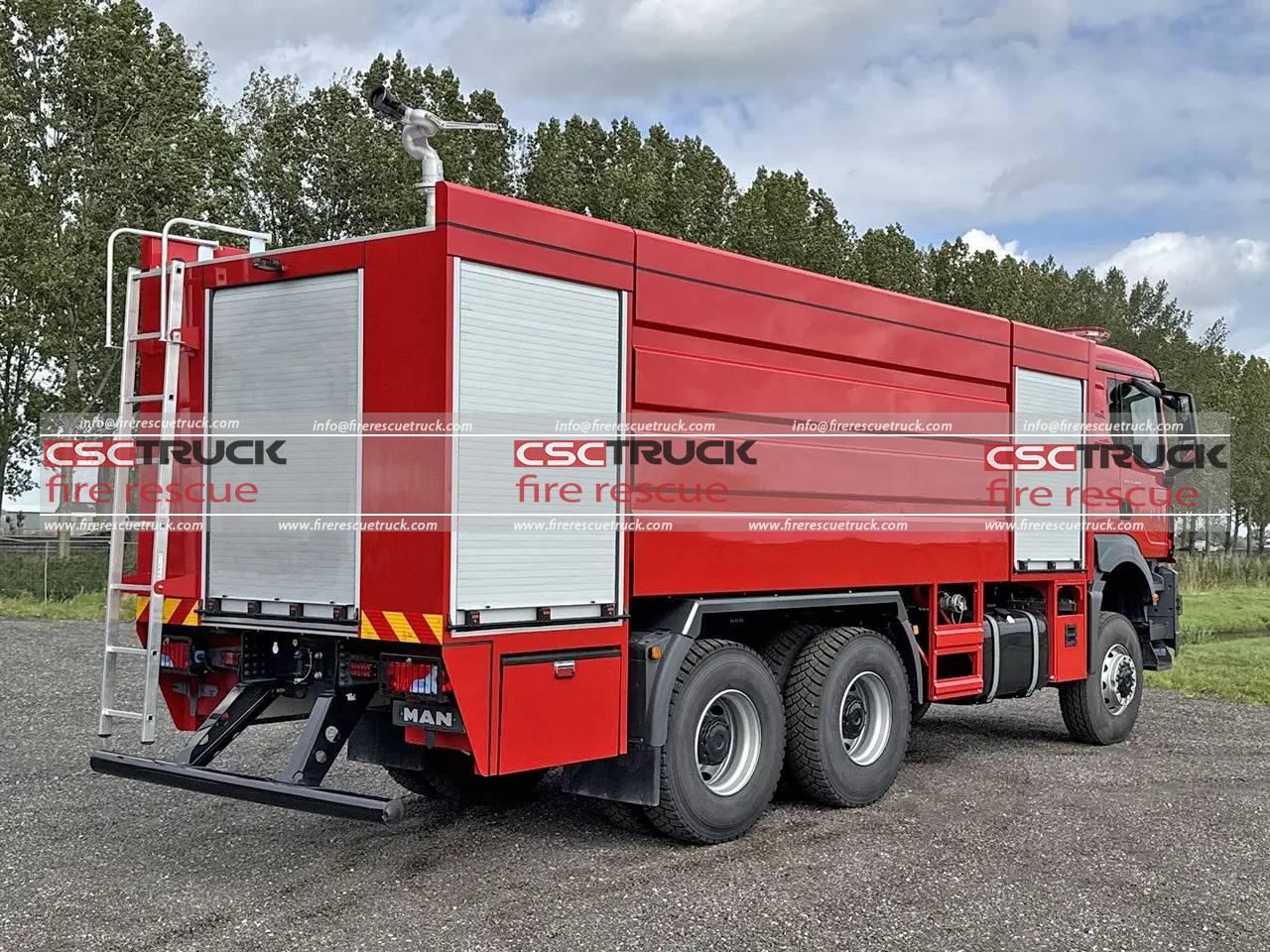
Forest firefighting is one of the most challenging emergency response missions globally. It often involves remote terrain, unpredictable fire behavior, limited road access, and harsh environmental conditions. In this context, specialized vehicles are essential—and the 6×6 fire truck has become one of the most effective solutions for wildland operations.
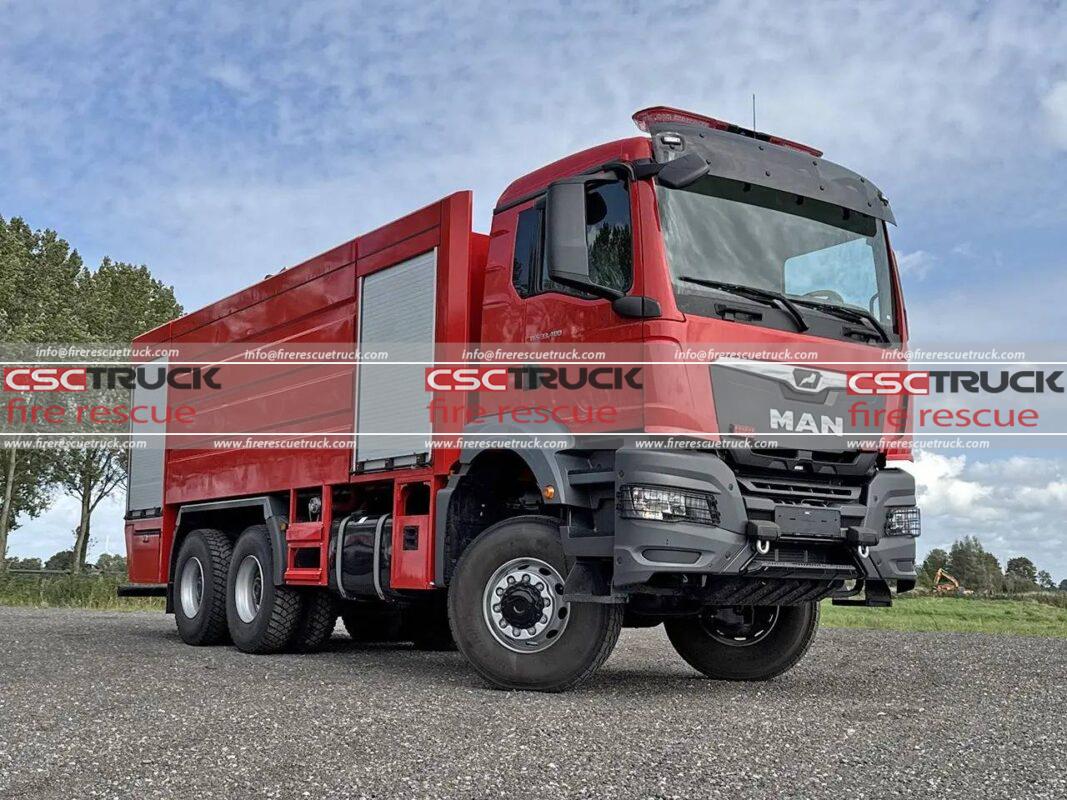
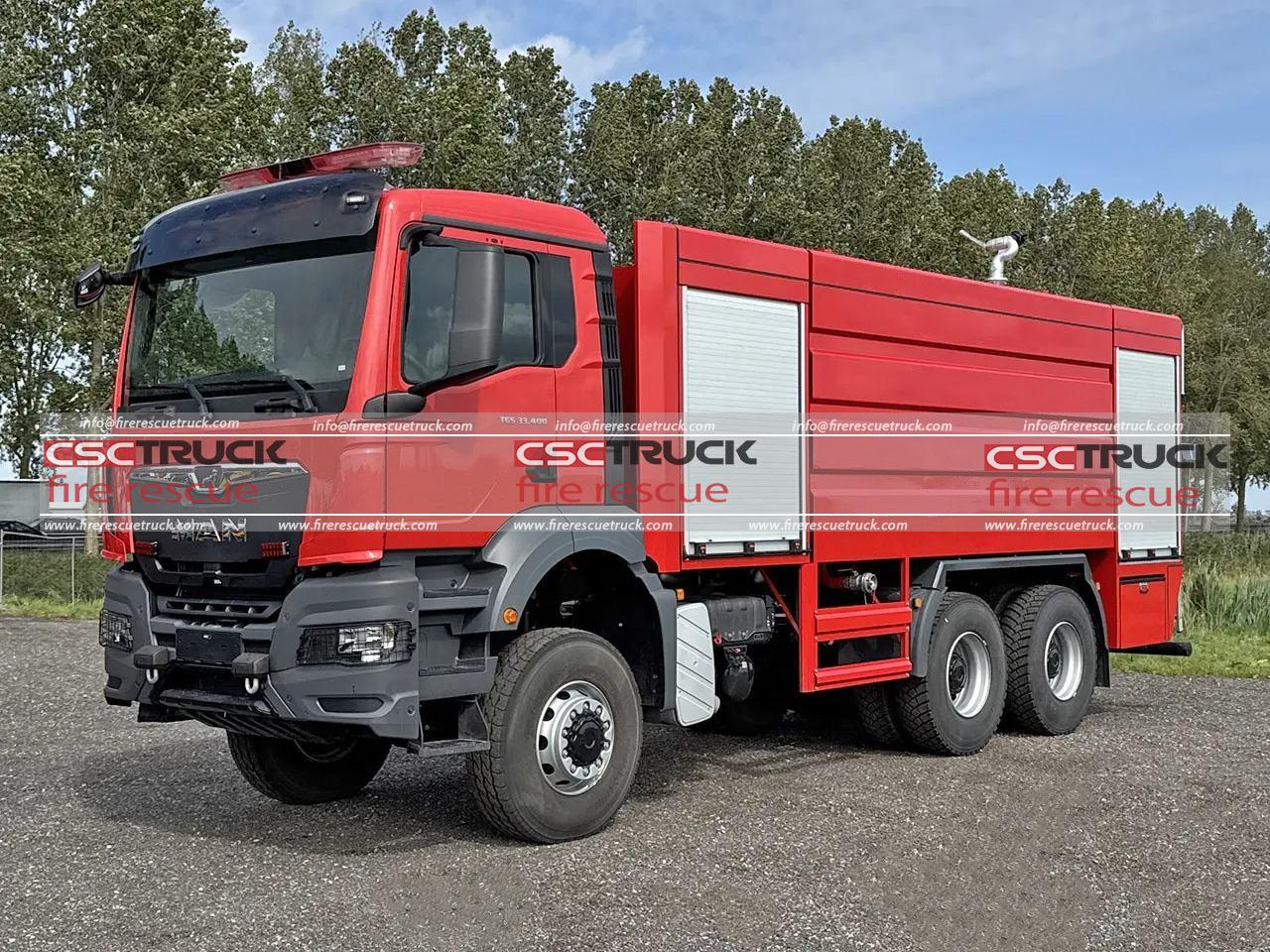
A leading example in this field is the CSCTRUCK Fire Rescue Truck. The company designs advanced emergency vehicles, including 4×4 and 6×6 forest fire engines, built specifically for off-road and wildland firefighting missions. These trucks combine high mobility, strong water-carrying capacity, and integrated firefighting systems to operate in environments where standard fire engines simply cannot reach.
This article explores whether a 6×6 fire truck is truly suitable for forest firefighting and how it performs in real-world wildfire scenarios.
Understanding the Role of a 6×6 Fire Truck in Wildland Environments
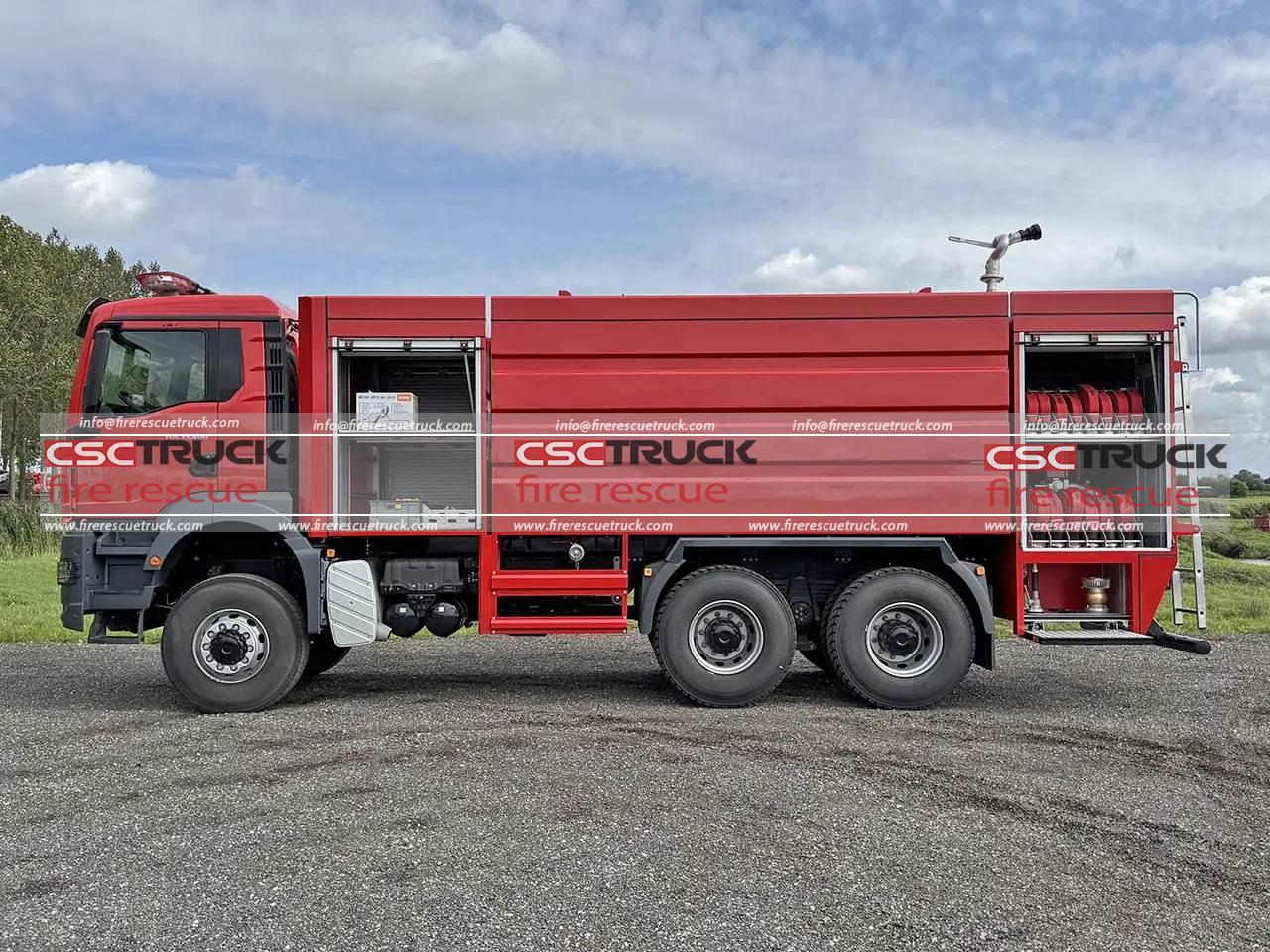
A 6×6 fire truck features 3 axles and 6 driven wheels, giving it superior traction compared to 4×2 or 4×4 vehicles. This configuration is specifically designed for off-road performance, making it highly relevant for forest firefighting.
In wildland operations, roads are often:
- Narrow or nonexistent
- Covered in mud, sand, or snow
- Steep and uneven
- Blocked by fallen trees or debris
According to CSCTRUCK Fire Rescue Truck’s off-road fire truck documentation, 6×6 vehicles are widely used in forest firefighting, mining zones, and disaster areas because they can maintain stability and mobility across extreme terrain conditions.
Key Advantages of 6×6 Fire Trucks for Forest Firefighting
1. Superior Off-Road Mobility
The most important advantage of a 6×6 fire truck is its ability to move across terrain that would immobilize standard fire engines.
With power delivered to all 6 wheels, these vehicles provide:
- Strong traction on soft soil and sand
- Stability on steep forest slopes
- Better control on slippery or uneven ground
CSCTRUCK Fire Rescue Truck highlights that its 6×6 forest fire engines are engineered to operate in mountain forests, muddy trails, and remote wilderness zones where accessibility is limited.
This makes them highly suitable for reaching fire zones early—an essential factor in wildfire containment.
2. High Water and Foam Carrying Capacity
Forest fires require a continuous water supply, especially in remote areas without hydrants.
6×6 fire trucks typically carry:
- Large water tanks (3,000–16,000 liters, depending on configuration)
- Foam systems for improved suppression efficiency
- High-pressure pumps for long-distance water delivery
This capacity allows firefighters to work independently for extended periods before needing resupply, which is critical in deep forest operations.
3. Stability Under Heavy Load
Wildland fire trucks often carry:
- Water tanks
- Pumps and hoses
- Rescue tools
- Personnel equipment
A 6×6 chassis distributes this weight more evenly across 3 axles, reducing stress on individual wheels and improving balance on uneven terrain.
This stability becomes especially important when driving on forest roads that may be eroded, narrow, or unstable.
4. Pump-and-Roll Capability
Many wildland fire trucks—including 6×6 configurations—support “pump-and-roll” operations.
This means the truck can:
- Move slowly through forest terrain
- Spray water or foam while driving
- Attack fires directly along fire lines
This capability is highly effective in controlling spreading wildfire edges, especially in grassland and forest understory fires.
5. Multi-Mission Functionality
Modern 6×6 fire trucks are not limited to firefighting alone. They often serve multiple roles:
- Wildfire suppression
- Rescue operations
- Logistics and supply transport
- Command and communication support
Some CSCTRUCK Fire Rescue Truck 6×6 models even integrate cranes, winches, and lighting systems for disaster response missions.
This versatility is valuable in forest environments where emergency teams may face multiple simultaneous challenges.
Limitations of 6×6 Fire Trucks in Forest Firefighting
Despite their advantages, 6×6 fire trucks are not perfect for every wildfire scenario.
1. Size and Accessibility Issues
Although highly capable off-road, 6×6 trucks are still large vehicles. In extremely dense forests or narrow trails, their size can be a limitation.
Smaller wildland engines (like Type 6 units) may still be required for:
- Very tight forest paths
- Rapid scout-and-attack missions
- Steep or heavily obstructed terrain
2. Fuel Consumption and Logistics
Due to powerful engines and heavy weight, 6×6 trucks consume more fuel than smaller units. In remote wildfire zones, maintaining fuel supply can be a logistical challenge.
3. Turning Radius Constraints
Three-axle configurations reduce maneuverability compared to smaller vehicles. This can make sharp turns in forest roads more difficult.
Comparison with Other Wildland Fire Vehicles
In wildfire operations, different vehicles serve different roles:
- Type 5–6 trucks: Lightweight, fast response, high maneuverability
- 4×4 fire trucks: Balanced off-road capability and size
- 6×6 fire trucks: Heavy-duty, high-capacity, deep-terrain support
As noted in wildland firefighting classifications, larger engines like 6×6 units are often used for support, sustained suppression, and logistics, while smaller vehicles handle rapid initial attack.
Why 6×6 Fire Trucks Are Increasingly Important
With climate change increasing wildfire frequency and intensity, firefighting agencies require more capable equipment.
6×6 fire trucks are increasingly preferred because they:
- Reach remote fire zones faster than support crews on foot
- Carry significantly more water and foam
- Operate in extreme terrain conditions
- Provide a stable base for prolonged operations
CSCTRUCK Fire Rescue Truck has developed its forest fire engine range specifically for these modern challenges, combining durability, mobility, and advanced firefighting systems for global deployment.
Conclusion: Are 6×6 Fire Trucks Suitable for Forest Firefighting?
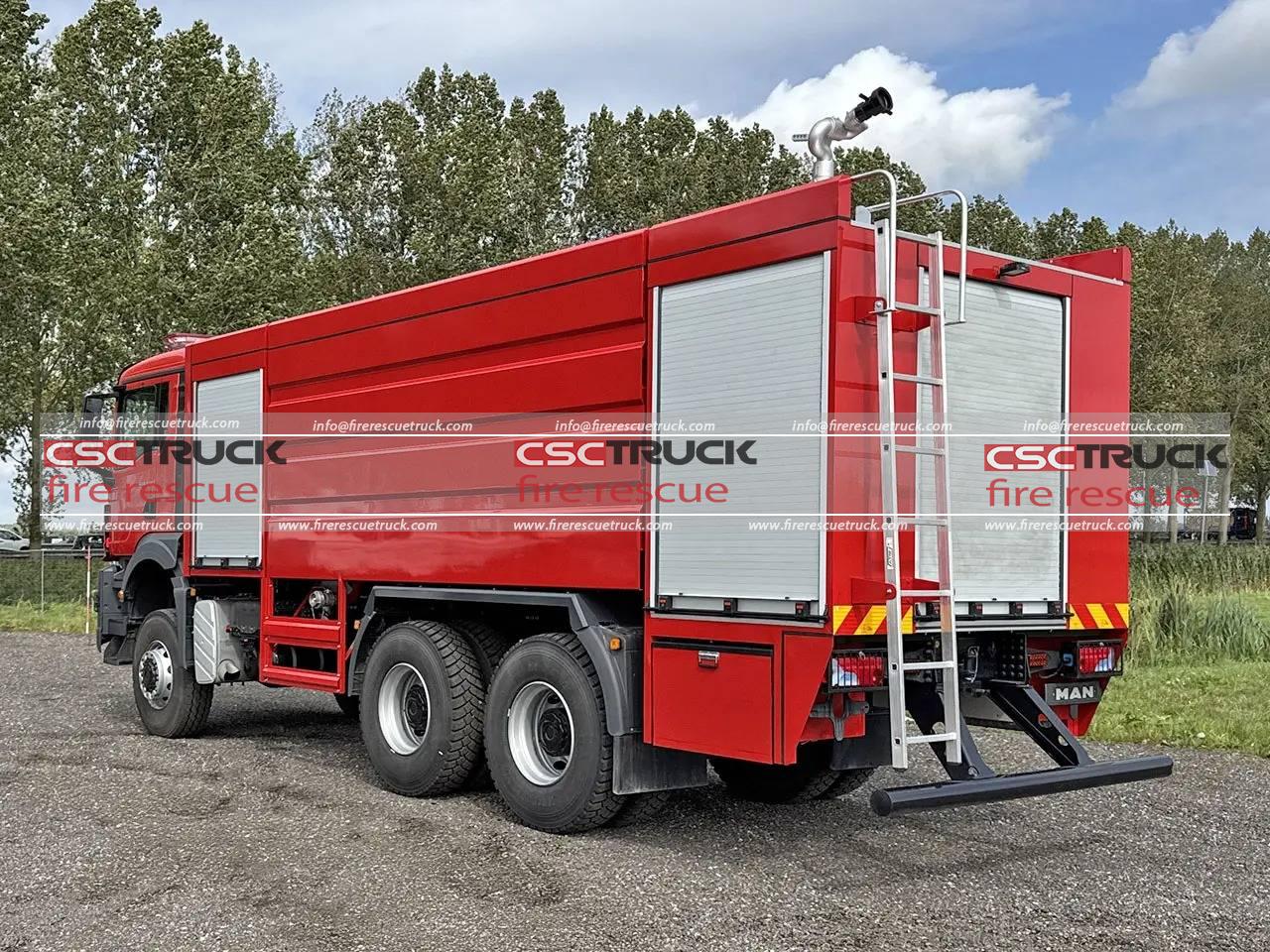
Yes—6×6 fire trucks are highly suitable for forest firefighting, especially in rugged, remote, and high-risk wildfire environments.
They are not a universal solution, but they are one of the most powerful tools in modern wildland firefighting strategies. Their combination of:
- Extreme off-road capability
- Large water capacity
- Operational stability
- Multi-role functionality
makes them essential for large-scale wildfire suppression and disaster response.
In summary, the 6×6 fire truck is best understood not as a replacement for smaller wildland engines, but as a critical heavy-duty backbone of modern forest firefighting fleets—a role that continues to grow as wildfires become more frequent and severe worldwide.