
Introduction to CSCTRUCK Fire Rescue Truck 6×6 Fire Rescue Trucks
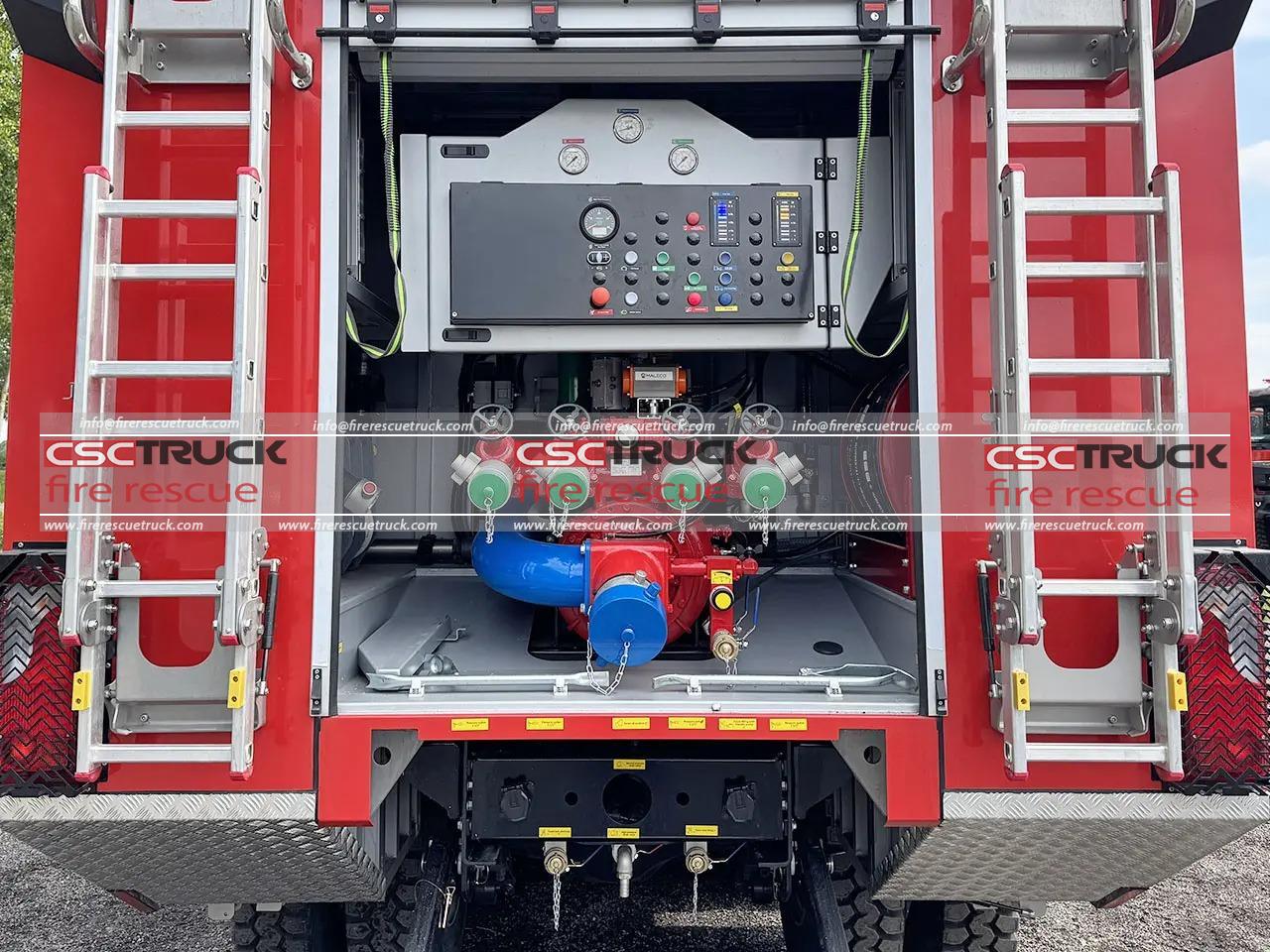
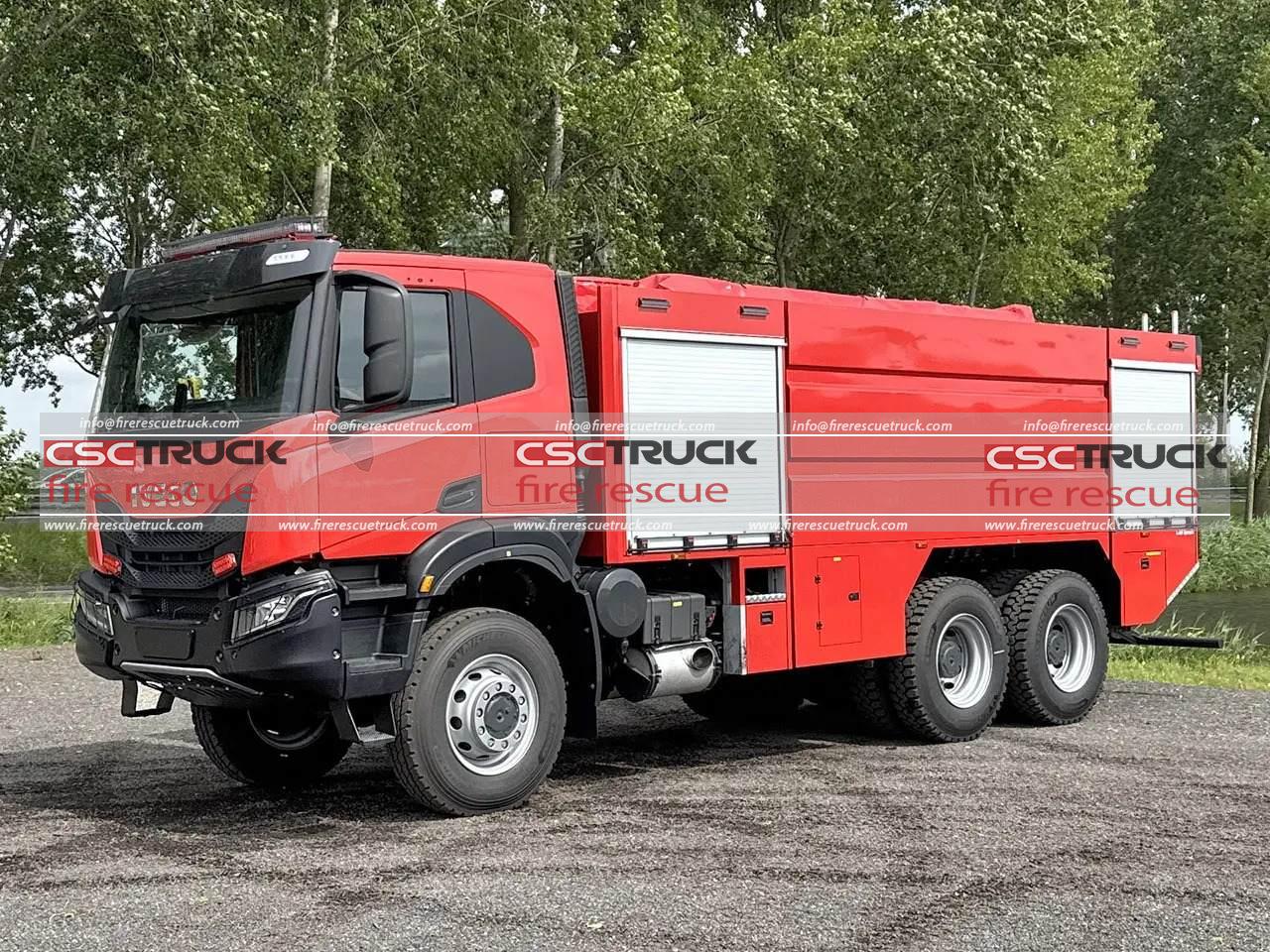
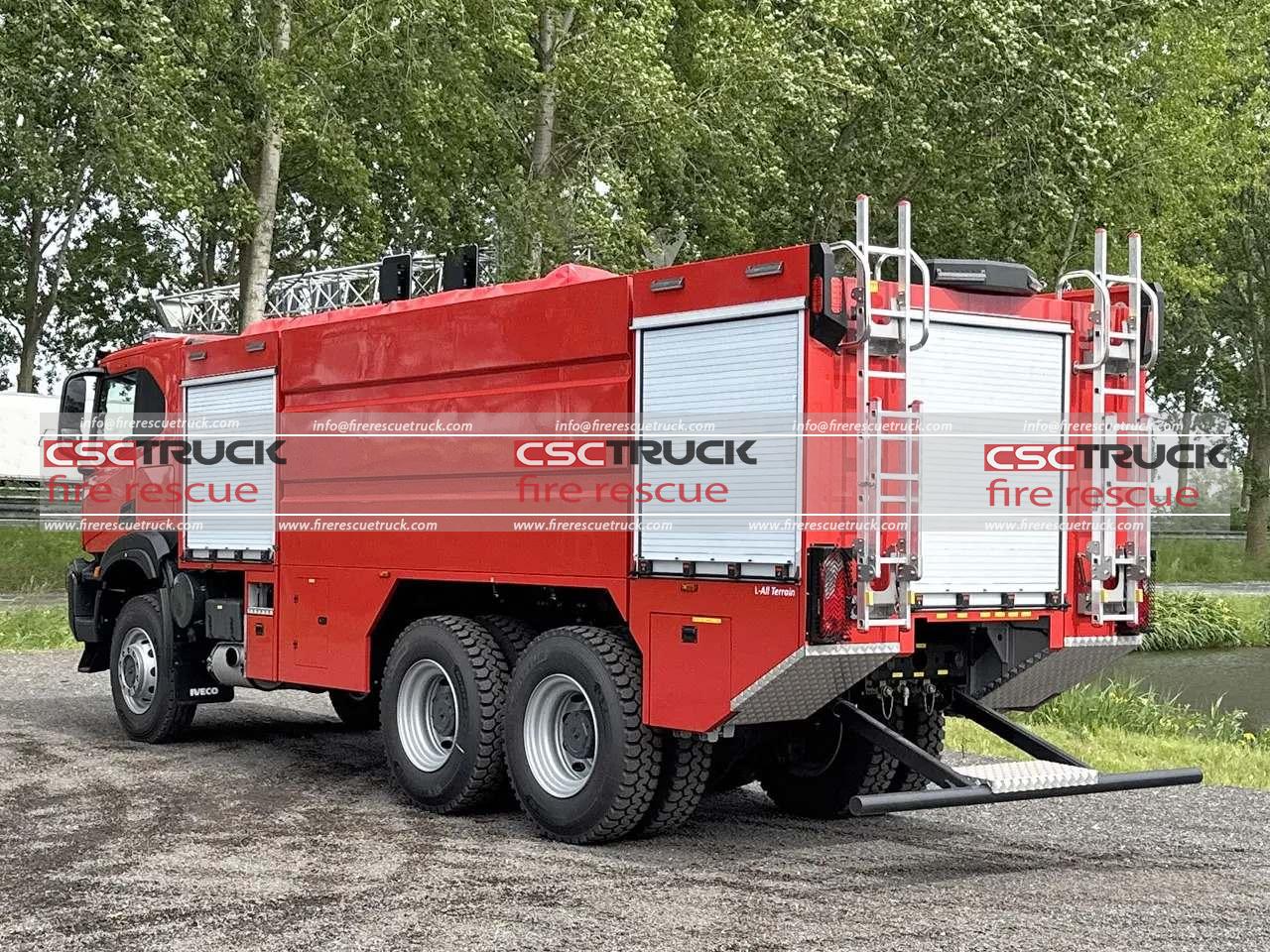
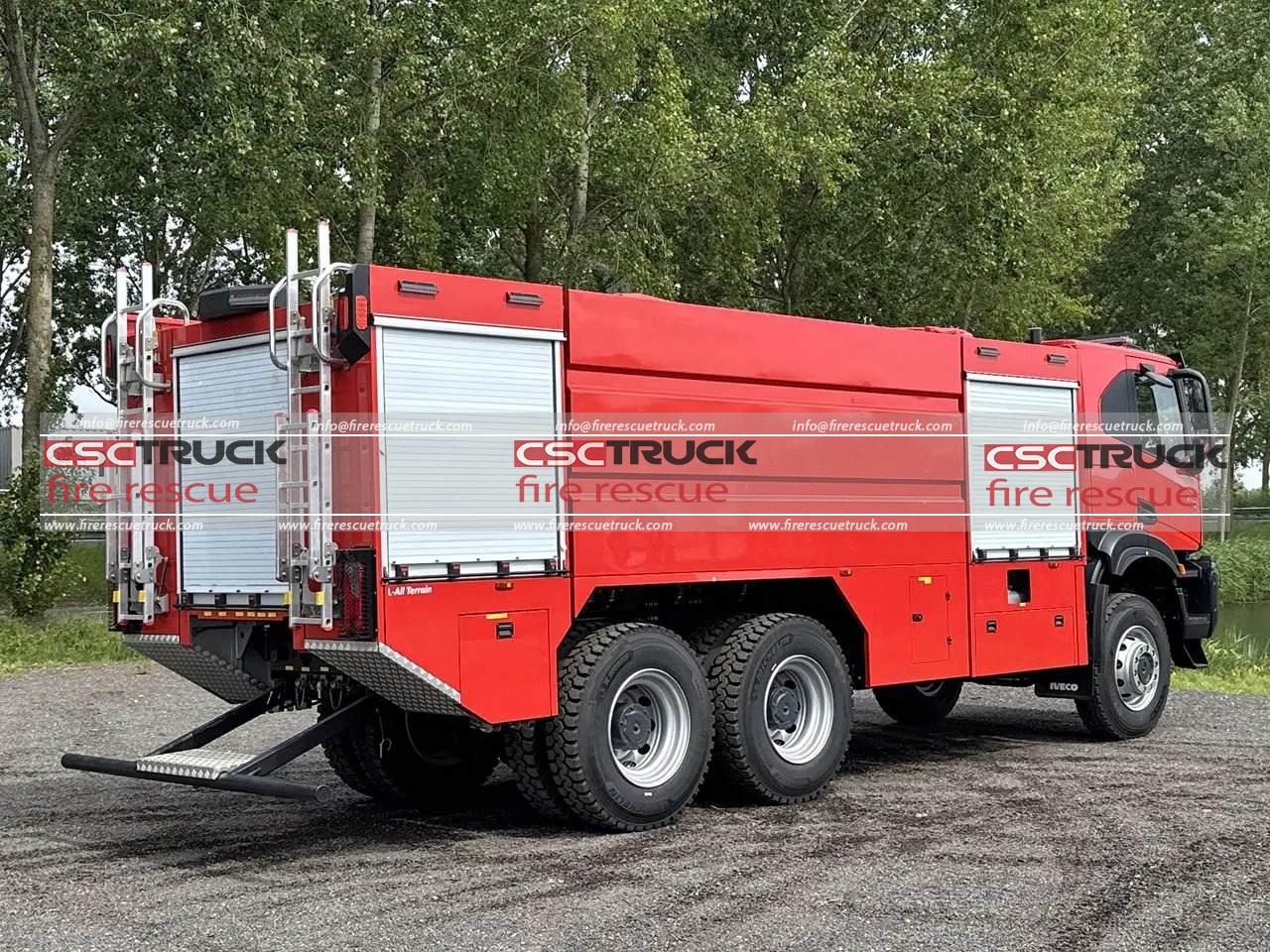
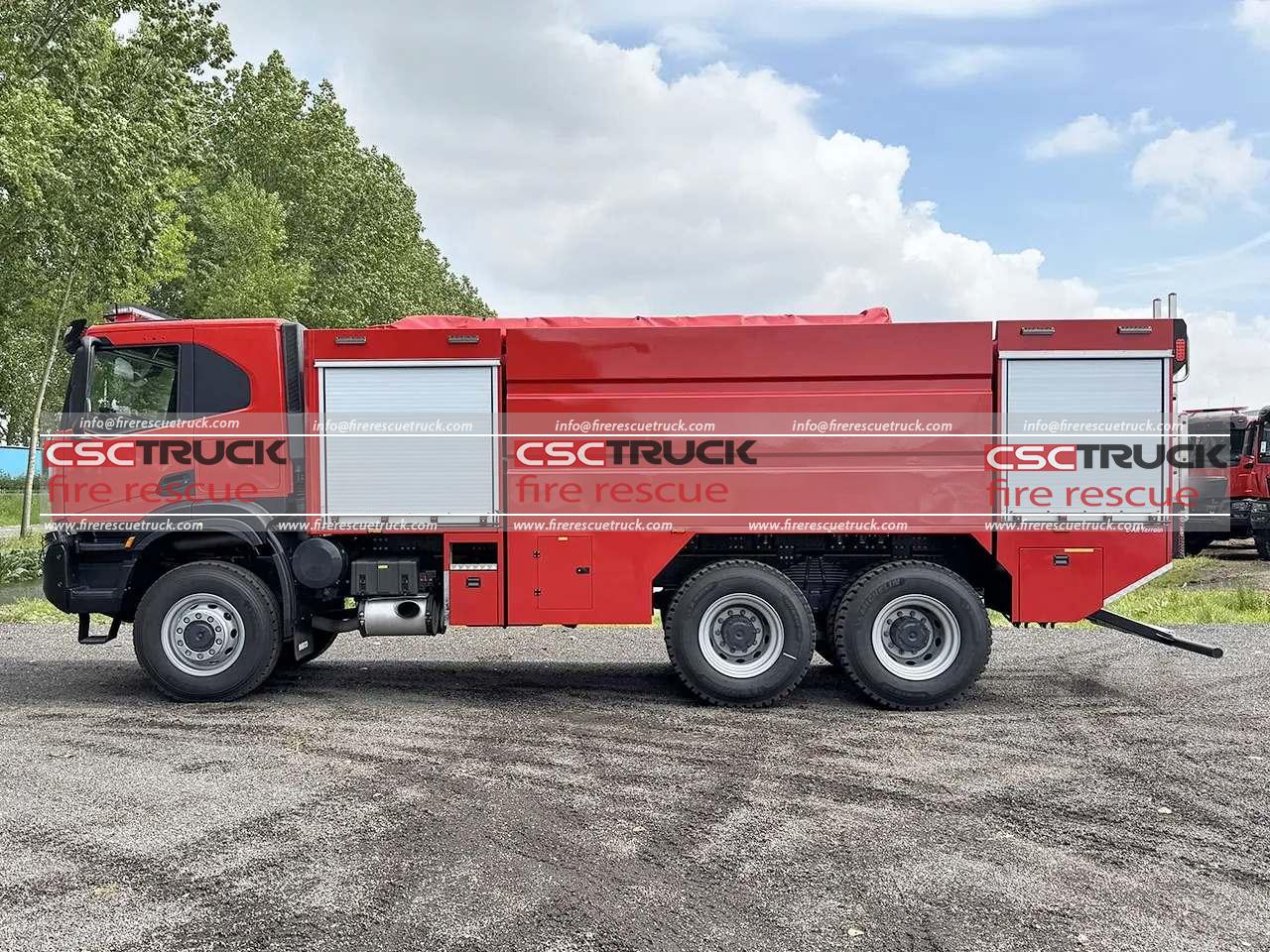
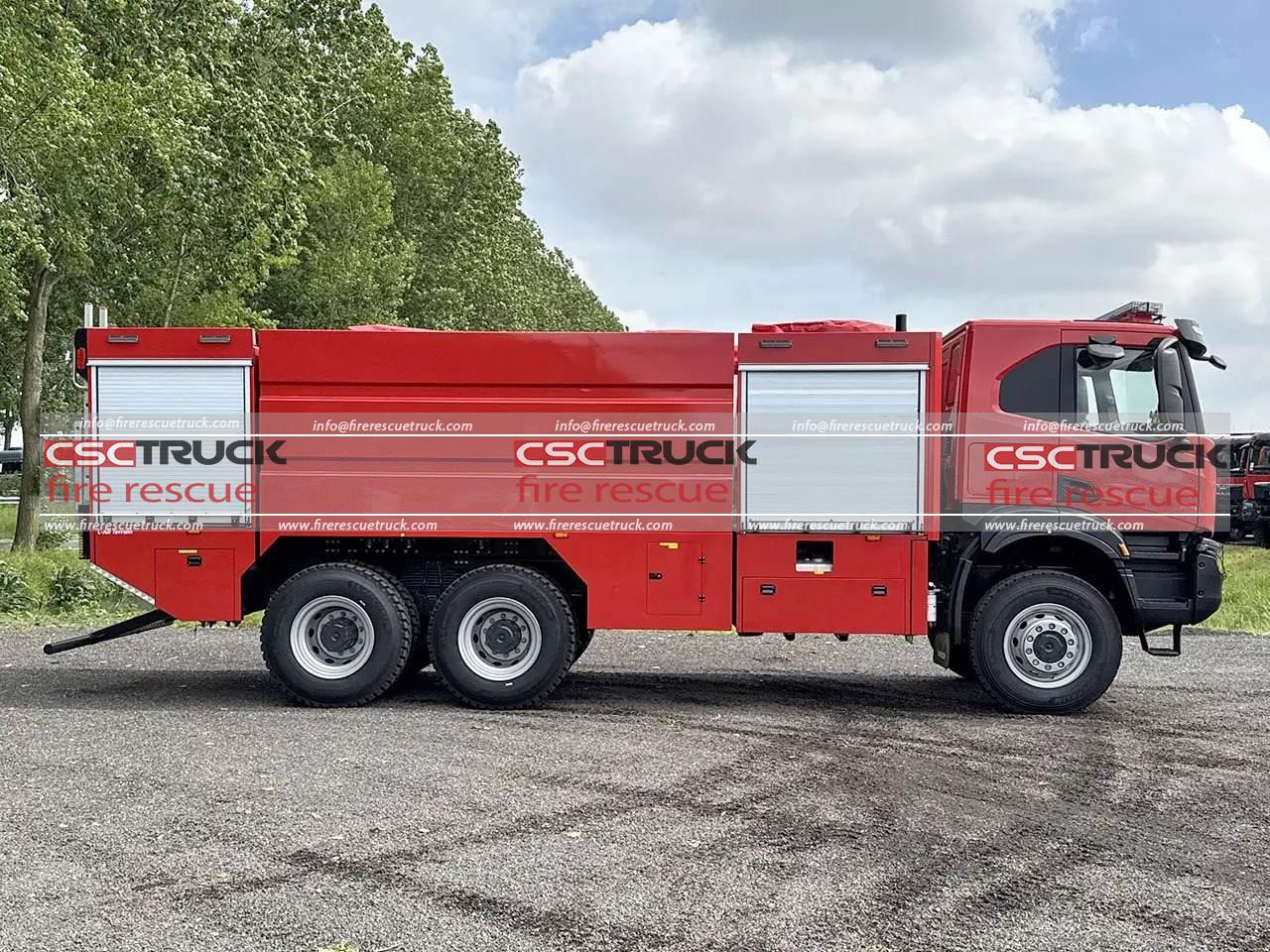
A 6×6 fire truck is one of the most capable emergency response vehicles available today. With 6-wheel drive capability, high ground clearance, powerful engines, and large water and foam capacities, these trucks are designed for challenging environments such as airports, forests, mines, oil fields, industrial facilities, and disaster zones.
As a professional fire truck manufacturer, CSCTRUCK Fire Rescue Truck specializes in designing and manufacturing advanced firefighting vehicles, including 4×4, 6×6, and 8×8 fire trucks for global customers. The company provides customized solutions such as airport rescue firefighting trucks (ARFF), water foam fire trucks, rescue trucks, and heavy-duty firefighting vehicles to meet different operational requirements.
When purchasing a 6×6 fire truck, performance specifications such as engine power, tank capacity, pump flow rate, and chassis capability are important. However, certifications and compliance standards are equally critical because they determine whether the vehicle can safely operate in professional firefighting environments.
So, what certifications should a 6×6 fire truck have? The answer depends on the truck’s application, destination country, and firefighting mission. The following are the most important certifications and standards buyers should consider.
1. NFPA Certification and Compliance
One of the most recognized standards for fire apparatus worldwide was developed by the National Fire Protection Association (NFPA). In North America and many international markets, NFPA standards provide guidelines for fire truck design, construction, testing, and safety performance.
For a 6×6 fire truck, the most relevant standard is:
NFPA 1900 – Standard for Automotive Fire Apparatus
NFPA 1900 consolidates previous fire apparatus standards, including requirements that were traditionally associated with NFPA 1901. It covers many aspects of fire truck design, including:
- Vehicle structural requirements
- Pump system performance
- Water tank construction
- Equipment mounting
- Electrical systems
- Warning lights and sirens
- Operator safety systems
- Braking and stability requirements
- Testing and inspection procedures
A 6×6 fire truck built according to NFPA requirements provides additional confidence that the vehicle has been engineered for demanding emergency operations.
For customers in the United States, Canada, and other regions influenced by NFPA standards, NFPA compliance can be a key requirement when importing or purchasing a heavy-duty firefighting vehicle.
2. EN Standards for European Markets
For European countries and many international customers, compliance with European standards is often required.
Important standards include:
EN 1846 – Firefighting and Rescue Service Vehicles
EN 1846 defines requirements for firefighting vehicles, including:
- Vehicle classification
- Mass categories
- Driving performance
- Safety requirements
- Dimensions
- Operational capability
A 6×6 fire truck designed for off-road rescue operations should meet the requirements for heavy-duty emergency vehicles under applicable EN standards.
EN 1028 Fire Pump Standards
Fire pumps are among the most important components of a firefighting truck. EN 1028 specifies requirements for centrifugal fire pumps, including:
- Pump performance testing
- Pressure capability
- Flow rate verification
- Reliability requirements
For example, a 6×6 water foam fire truck equipped with a high-flow pump must demonstrate that the pump system can deliver the required water and foam output during emergencies.
3. ICAO Certification for Airport Rescue Fire Fighting Trucks
Many 6×6 fire trucks are used as Aircraft Rescue and Fire Fighting (ARFF) vehicles at airports. In this application, international aviation standards become essential.
The International Civil Aviation Organization (ICAO) provides requirements for airport rescue and firefighting services through documents such as Annex 14 and the Airport Services Manual Part I. These guidelines address airport firefighting equipment, vehicle capability, extinguishing agents, and emergency response requirements.
A 6×6 ARFF truck designed for airport operations may need to meet requirements related to:
- High acceleration performance
- Fast response capability
- Large water and foam capacity
- Roof and bumper turrets
- Foam discharge systems
- Dry chemical systems
- Operator visibility
- Aircraft emergency rescue capability
Large airports typically require specialized ARFF vehicles capable of carrying thousands of liters of water and foam while reaching emergency locations quickly. ICAO guidance is widely referenced when airports establish firefighting vehicle specifications.
4. FAA ARFF Vehicle Requirements
For airports in the United States, the Federal Aviation Administration (FAA) provides additional guidance for Aircraft Rescue and Fire Fighting vehicles.
The FAA publishes specifications for ARFF vehicles, including requirements related to:
- Vehicle design
- Firefighting agent capacity
- Pump systems
- Discharge equipment
- Performance testing
FAA guidance documents help airports evaluate and purchase suitable ARFF vehicles.
A 6×6 ARFF truck supplied to a U.S. airport may need to satisfy both FAA requirements and local airport operational standards.
5. ISO Quality Management Certification
Besides vehicle-specific standards, buyers should also evaluate the manufacturer’s quality management certifications.
ISO 9001 Certification
ISO 9001 demonstrates that the manufacturer has established a controlled quality management system covering:
- Product design
- Manufacturing processes
- Quality inspections
- Supplier management
- Customer service
For specialized vehicles like 6×6 fire trucks, manufacturing quality is essential because these vehicles operate under extreme conditions.
A manufacturer with ISO-certified production processes can provide better consistency, documentation, and after-sales support.
6. Chassis and Vehicle Safety Certifications
A 6×6 fire truck combines a heavy-duty truck chassis with firefighting equipment. Therefore, the chassis should comply with relevant vehicle regulations.
Important areas include:
Emission Certification
Depending on the destination country, the truck engine may need:
- Euro III
- Euro IV
- Euro V
- Euro VI
- EPA emission certification
These standards regulate exhaust emissions and environmental performance.
Vehicle Registration Approval
Many countries require imported fire trucks to pass local approval procedures, including:
- Vehicle dimensions
- Weight limits
- Lighting requirements
- Road safety regulations
- Brake performance
7. Pressure Vessel and Tank Certifications
The water and foam tanks installed on a 6×6 fire truck must be manufactured according to appropriate engineering standards.
Important considerations include:
- Tank material certification
- Welding quality inspection
- Pressure testing
- Corrosion protection
- Structural strength verification
For trucks carrying specialized firefighting agents, such as foam concentrate or dry powder, additional requirements may apply.
8. Third-Party Inspection Certification
Many international buyers request an independent inspection before shipment.
Common inspection organizations include:
- SGS
- TÜV
- Bureau Veritas
- Intertek
Third-party inspection can verify:
- Vehicle specifications
- Manufacturing quality
- Performance tests
- Documentation accuracy
This is especially important for exported 6×6 fire trucks because customers may purchase vehicles thousands of kilometers away from the manufacturer.
Why Certifications Matter When Buying a 6×6 Fire Truck
A 6×6 fire truck is a major investment, often serving for 15–20 years or longer. Choosing a certified vehicle helps ensure:
1. Operational Reliability
Certified vehicles are tested against recognized engineering requirements, reducing unexpected failures during emergencies.
2. Safety for Firefighters
Standards regulate important safety features, including braking systems, vehicle stability, electrical protection, and equipment installation.
3. International Acceptance
Certification makes it easier for vehicles to pass customs, registration, and approval procedures in different countries.
4. Better Long-Term Value
A compliant fire truck usually has better maintenance support, documentation, and resale value.
Conclusion
A high-performance 6×6 fire truck is more than a powerful off-road vehicle. It is a specialized emergency system that must meet strict requirements for safety, reliability, and firefighting effectiveness.
The most important certifications and standards to consider include:
- NFPA 1900 for fire apparatus safety and design
- EN standards for European markets
- ICAO requirements for airport rescue firefighting vehicles
- FAA ARFF specifications for U.S. airports
- ISO 9001 manufacturing quality certification
- Local vehicle and emission approvals
- Third-party inspection certificates
When selecting a 6×6 fire truck, buyers should evaluate not only the engine power, water capacity, and firefighting equipment but also whether the manufacturer can provide complete certification documents and compliance support.
With professional engineering capabilities and customized firefighting solutions, CSCTRUCK Fire Rescue Truck helps customers worldwide obtain reliable 6×6 fire trucks designed for demanding rescue missions, industrial protection, airport emergencies, and extreme environments.