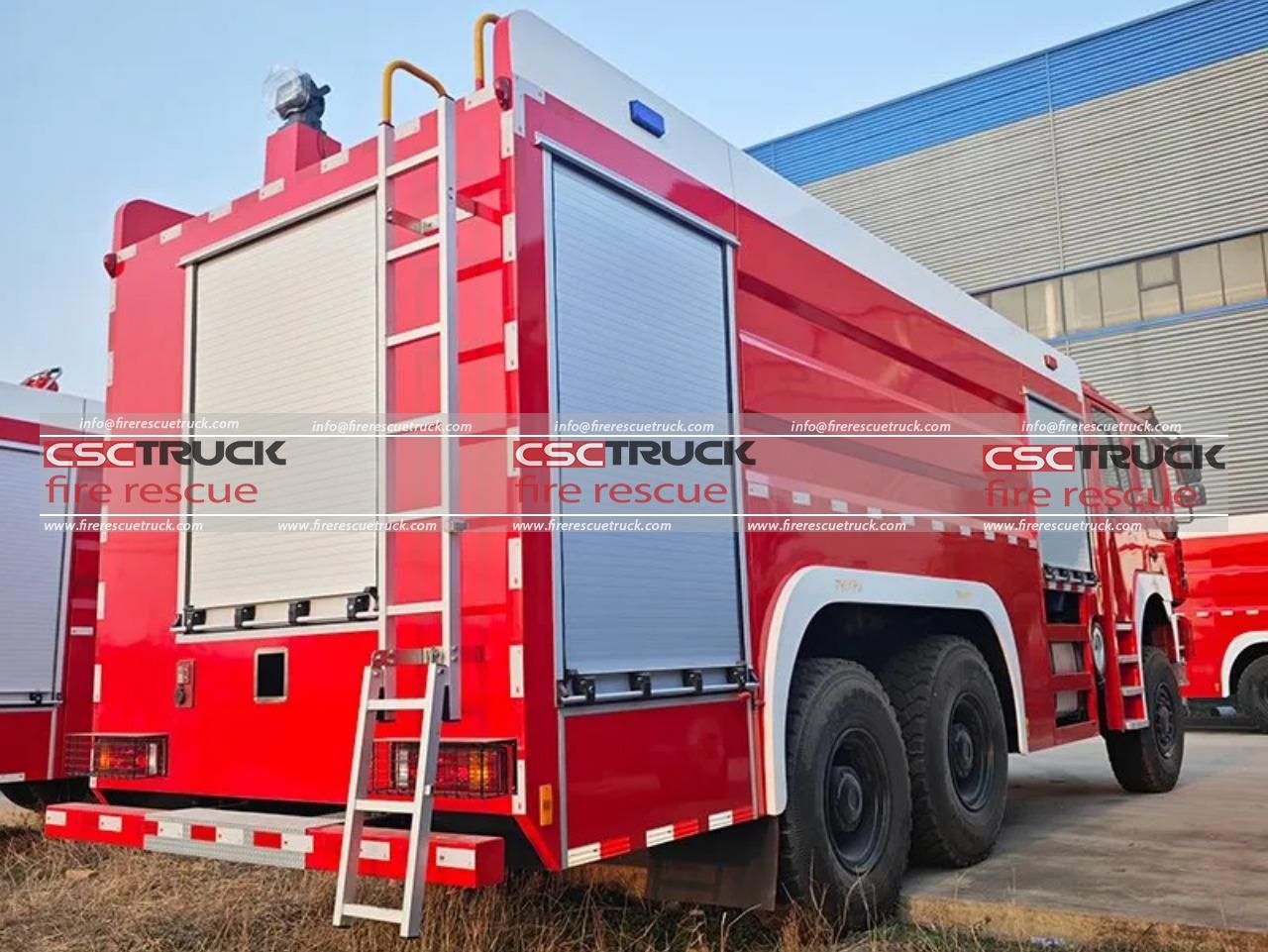

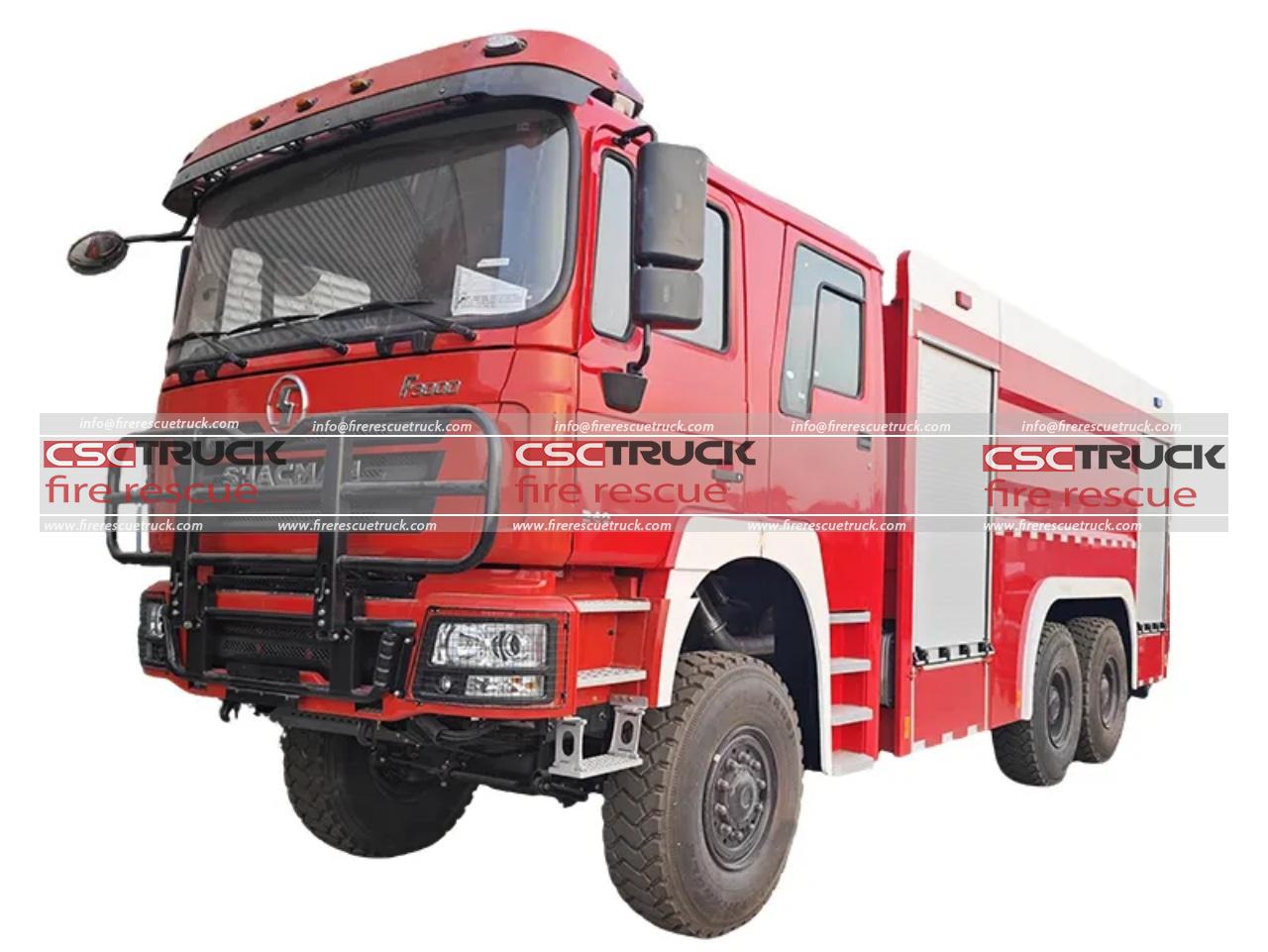
A 6×6 fire truck is one of the most powerful and versatile emergency response vehicles available today. Designed for challenging environments such as mountains, forests, industrial areas, airports, and disaster zones, a 6×6 fire truck combines excellent off-road mobility, high water-carrying capacity, and advanced firefighting equipment. However, because these vehicles operate under extreme conditions and carry heavy loads, regular maintenance is essential to guarantee reliability, safety, and long service life.
CSCTRUCK Fire Rescue Truck specializes in manufacturing professional fire rescue vehicles, including heavy-duty 6×6 fire trucks designed for complex firefighting and rescue missions. CSCTRUCK Fire Rescue Truck 6×6 fire trucks are built with powerful chassis systems, firefighting pumps, water tanks, rescue equipment, and customized configurations to meet the requirements of different emergency services worldwide. Proper maintenance helps these advanced vehicles remain ready for immediate deployment whenever emergencies occur.
1. Daily Inspection and Pre-Operation Checks
The first and most important maintenance task for a 6×6 fire truck is a daily inspection before entering service. Fire departments usually perform these checks at the beginning of each shift to identify potential problems before they affect emergency operations.
Key daily inspection items include:
- Engine oil level and possible leaks
- Coolant level and radiator condition
- Transmission fluid level
- Hydraulic system fluid level
- Brake system condition
- Tire pressure and tire damage
- Battery condition
- Emergency lights, warning signals, and sirens
- Fire pump controls and gauges
- Water tank and foam tank status
Because a 6×6 fire truck may need to respond immediately after sitting idle for several hours, these inspections ensure that the vehicle can start quickly and operate safely under emergency conditions. Regular inspection routines are also recommended for CSCTRUCK Fire Rescue Truck fire trucks to maintain optimal performance.
2. Engine and Powertrain Maintenance
The engine is the heart of a 6×6 fire truck. These vehicles are typically equipped with high-power diesel engines designed to carry heavy firefighting equipment while traveling through difficult terrain.
Engine maintenance includes:
Engine Oil and Filter Replacement
Engine oil lubricates internal components and reduces friction. Because fire trucks often experience sudden acceleration, heavy loads, and long periods of operation at high power, oil quality is extremely important.
Maintenance tasks include:
- Checking oil levels regularly
- Replacing engine oil according to the manufacturer’s intervals
- Changing oil filters
- Inspecting for oil leaks
Cooling System Maintenance
Fire trucks frequently operate in hot environments and may run pumps for extended periods. The cooling system must work efficiently.
Technicians should inspect:
- Radiator cleanliness
- Cooling hoses
- Coolant levels
- Water pump operation
- Fan belts
Overheating can cause serious engine damage and reduce vehicle reliability during emergency missions.
Transmission and Drivetrain Inspection
A 6×6 drivetrain contains additional components compared with standard trucks, including multiple axles, transfer cases, and differential systems.
Maintenance should include:
- Checking transmission fluid
- Inspecting gear oil
- Checking axle lubrication
- Examining drive shafts and universal joints
Proper drivetrain maintenance is especially important because the 6×6 system provides traction on mud, sand, snow, and uneven terrain.
3. Tire, Suspension, and Chassis Maintenance
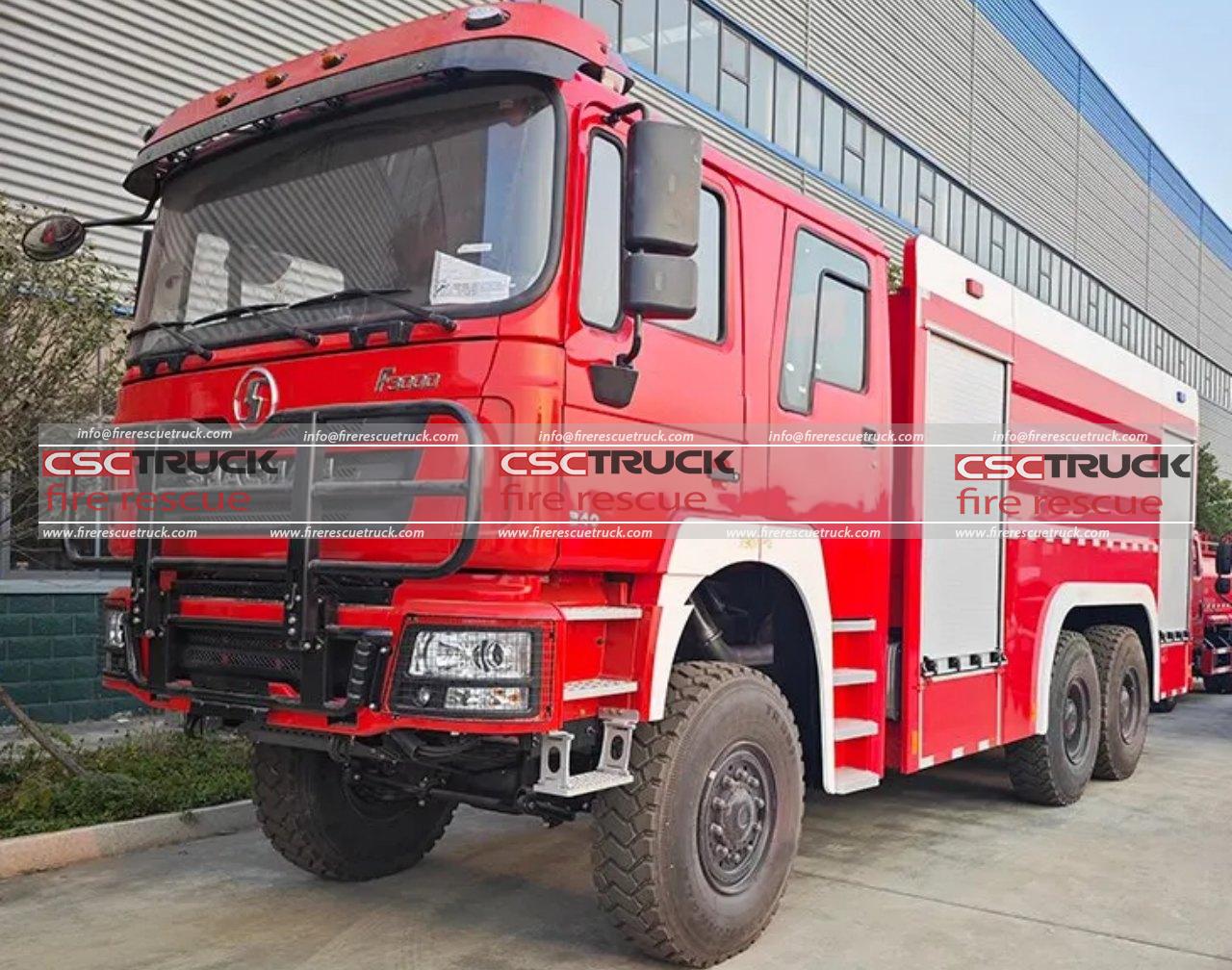
A major advantage of a 6×6 fire truck is its ability to travel in difficult environments. The tires, suspension, and chassis must therefore withstand heavy loads and harsh road conditions.
Tire Maintenance
Fire truck tires should be inspected frequently for:
- Cuts or cracks
- Uneven wear
- Low air pressure
- Sidewall damage
- Reduced tread depth
Correct tire pressure improves:
- Vehicle stability
- Fuel efficiency
- Off-road capability
- Braking performance
Suspension System Checks
The suspension system absorbs shocks when driving on rough terrain. Maintenance includes checking:
- Shock absorbers
- Leaf springs or air suspension components
- Suspension bushings
- Axle connections
A damaged suspension system can affect vehicle handling and firefighter safety.
Chassis and Frame Inspection
Since firefighting vehicles carry large tanks, pumps, and rescue equipment, the chassis experiences significant stress. Regular inspections should check for:
- Frame cracks
- Corrosion
- Loose bolts
- Structural damage
Annual chassis inspections are especially important for vehicles operating in coastal or humid environments.
4. Fire Pump and Water System Maintenance
The firefighting pump is one of the most critical components of a 6×6 fire truck. A powerful engine alone is not enough—the pump must deliver reliable water pressure and flow during operations.
Pump maintenance includes:
Regular Pump Testing
Technicians should test:
- Water pressure output
- Flow rate
- Pump controls
- Pressure gauges
- Priming system
Pump testing ensures that the truck can provide the required firefighting performance when deployed.
Water Tank and Foam System Inspection
Maintenance tasks include:
- Checking tank condition
- Inspecting valves and pipelines
- Cleaning internal components
- Testing foam proportioning systems
Corrosion inside tanks or pipelines can reduce system efficiency and create unexpected failures.
5. Hydraulic and Electrical System Maintenance
Modern 6×6 fire trucks often include advanced rescue equipment, hydraulic tools, lighting systems, winches, and communication equipment.
Hydraulic System Maintenance
Hydraulic systems may control:
- Rescue tools
- Stabilizers
- Winches
- Hydraulic lifting equipment
Maintenance includes:
- Checking hydraulic oil levels
- Inspecting hoses
- Looking for leaks
- Replacing damaged seals
A hydraulic failure during rescue operations can delay emergency response.
Electrical System Maintenance
Fire trucks rely heavily on electrical systems for:
- Warning lights
- Sirens
- Radios
- Pumps
- Control panels
- Emergency lighting
Technicians should inspect:
- Battery condition
- Wiring connections
- Fuses
- Control modules
- Alternator performance
Electrical problems can affect both vehicle operation and firefighting capability.
6. Maintenance of Firefighting Equipment
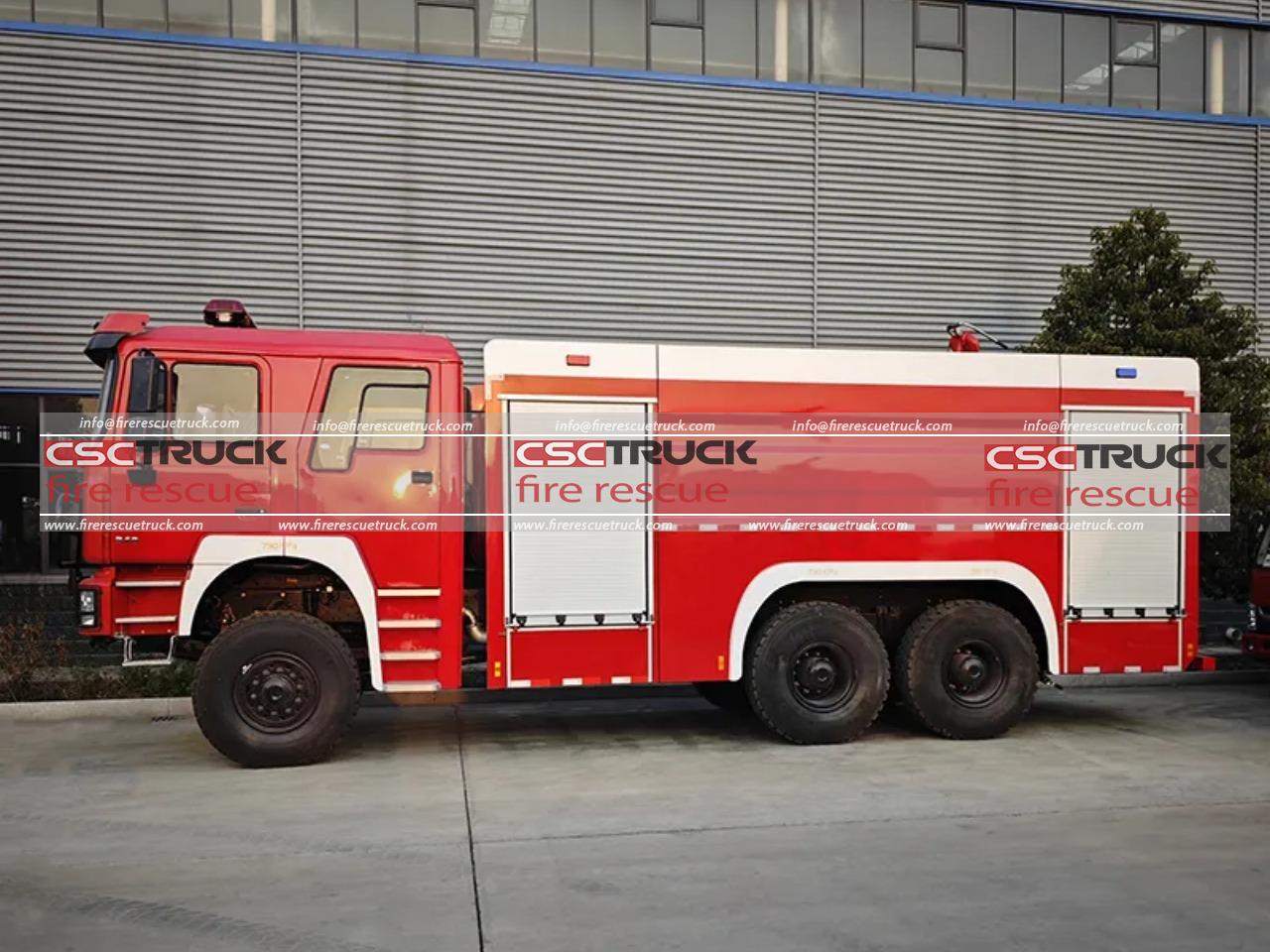
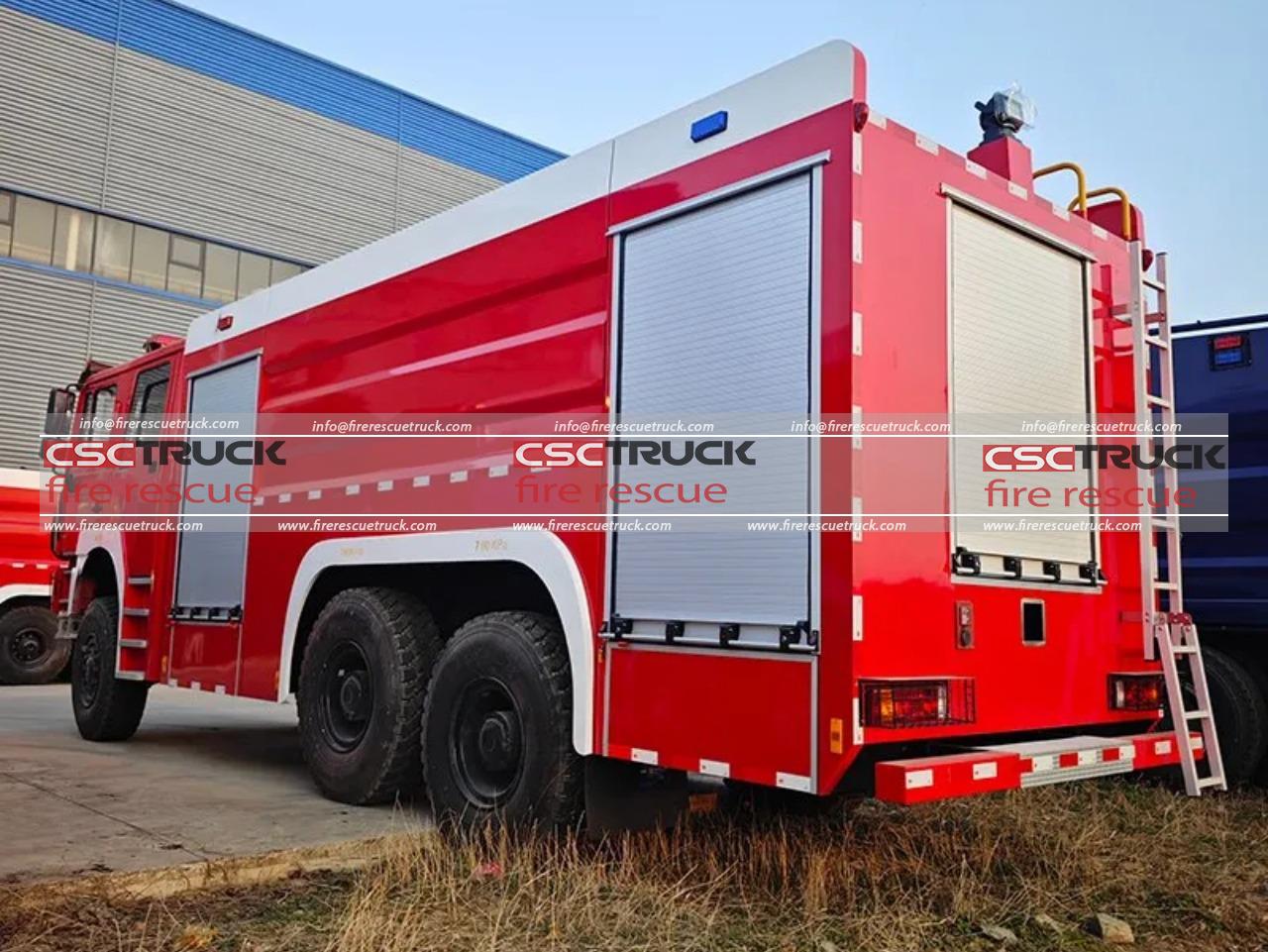
A 6×6 fire truck carries specialized equipment that must always remain operational.
Common equipment maintenance includes:
- Fire hose inspection
- Nozzle cleaning
- Ladder inspection
- Rescue tool testing
- Breathing equipment checks
- Generator maintenance
- Winch inspection
After every firefighting operation, equipment should be cleaned, dried, inspected, and returned to service condition. Proper equipment maintenance ensures firefighters can depend on their tools during critical situations.
7. Scheduled Preventive Maintenance
Besides daily inspections, 6×6 fire trucks require scheduled preventive maintenance.
A typical maintenance schedule may include:
Weekly Maintenance
- Check firefighting equipment
- Test pump operation
- Inspect tires and brakes
- Check fluid levels
Monthly Maintenance
- Inspect engine components
- Check electrical systems
- Lubricate moving parts
- Test emergency systems
Annual Maintenance
- Complete vehicle inspection
- Pump performance testing
- Hose pressure testing
- Chassis inspection
- Replacement of worn components
Preventive maintenance reduces unexpected breakdowns and extends the working life of the vehicle.
8. Importance of Maintenance Records
Keeping detailed maintenance records is essential for professional fire departments.
Records should include:
- Inspection dates
- Repairs completed
- Parts replaced
- Fluid changes
- Pump testing results
- Equipment checks
A complete maintenance history helps technicians identify repeated problems and plan future servicing more effectively.
Conclusion
A 6×6 fire truck is a highly specialized emergency vehicle that requires comprehensive maintenance to maintain reliability and safety. From engine servicing and drivetrain inspections to pump testing and firefighting equipment checks, every component plays an important role in emergency response.
For professional vehicles such as CSCTRUCK Fire Rescue Truck 6×6 fire trucks, regular preventive maintenance ensures maximum performance, reduces operating costs, and extends service life. Whether operating in urban areas, forests, industrial sites, or disaster zones, a properly maintained 6×6 fire truck remains a dependable partner for firefighters and rescue teams worldwide.