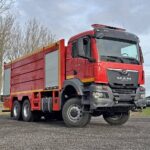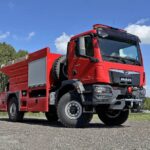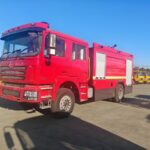

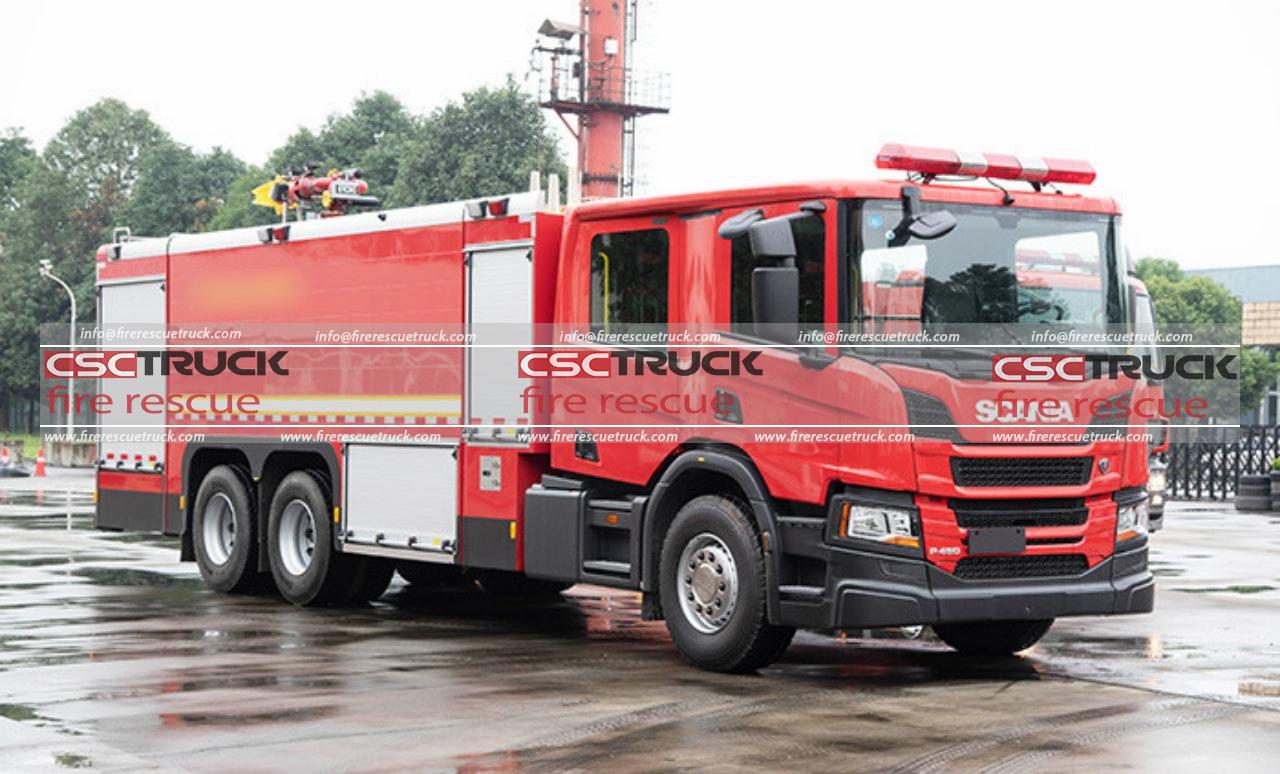
Water tender fire trucks are primarily designed to transport and supply large volumes of water to firefighting operations, especially in rural areas, industrial sites, mining operations, forests, and locations where fire hydrants are unavailable or insufficient. While their primary mission is water transportation, many modern water tenders can be equipped with advanced firefighting technologies, including foam systems. Adding a foam system transforms a standard water tender into a much more versatile firefighting apparatus capable of tackling flammable liquid fires, industrial incidents, and hazardous material emergencies.
CSCTRUCK Fire Rescue Truck is a professional manufacturer of firefighting vehicles that offers a wide range of customized fire apparatus, including water tenders, water-foam fire trucks, industrial fire engines, airport rescue vehicles, and rescue support trucks. The company provides custom configurations based on customer requirements, allowing fire departments, industrial facilities, airports, and municipal agencies to select the appropriate tank capacities, pump systems, foam equipment, and firefighting accessories for their operational needs. Its product lineup includes dedicated water-foam fire apparatus with integrated foam tanks, proportioning systems, and high-capacity monitors for industrial and municipal firefighting applications.
The Simple Answer: Yes
The answer is yes—foam systems can absolutely be added to a water tender fire truck.
Many manufacturers offer foam systems either as factory-installed options or aftermarket upgrades. Depending on operational requirements and available space, the foam system may be permanently integrated into the vehicle or designed as a modular package that can be installed when needed.
Adding a foam system significantly expands the capabilities of a water tender beyond simply transporting water.

Why Add Foam to a Water Tender?
Water alone is highly effective for ordinary combustible materials such as wood, paper, textiles, and vegetation. However, it performs poorly on many flammable liquid fires because burning fuels float on water.
Firefighting foam creates a blanket over burning fuel that:
- Separates the fuel from oxygen
- Suppresses flammable vapors
- Cools the fuel surface
- Prevents re-ignition
- Reduces water consumption
These characteristics make foam essential for Class B fires involving:
- Gasoline
- Diesel fuel
- Jet fuel
- Crude oil
- Solvents
- Chemical storage facilities
- Fuel tank farms
- Aircraft incidents
For departments responsible for industrial facilities or transportation corridors, adding foam capability greatly improves emergency response flexibility.
Types of Foam Systems
Several foam delivery systems can be installed on a water tender.
Around-the-Pump Foam Proportioning
This is one of the most common systems.
The foam concentrate is stored in a dedicated foam tank. A foam proportioner injects concentrate into the water stream before it reaches the discharge outlets.
Advantages include:
- Simple design
- Lower installation cost
- Easy maintenance
- Reliable operation
Direct Injection Foam System
A more advanced option uses electronic controls and injection pumps.
Benefits include:
- Accurate foam percentages
- Automatic adjustment with changing water flow
- Reduced foam waste
- Better performance during multiple discharge operations
This system is commonly found on industrial and municipal fire apparatus.
Compressed Air Foam System (CAFS)
Some water tenders can also be equipped with CAFS technology.
In addition to water and foam concentrate, compressed air is injected into the mixture to create thick, highly expanded foam.
Advantages include:
- Longer hose reach
- Better adhesion to vertical surfaces
- Lower water consumption
- Faster knockdown
- Reduced runoff
CAFS is especially useful for structural fires, wildland firefighting, and property protection. Experienced firefighters note that CAFS can achieve impressive fire suppression while using significantly less water than conventional streams.
Components Required
Adding foam capability requires several major components.
Foam Tank
A separate tank stores foam concentrate.
Capacity varies according to vehicle size and mission, commonly ranging from a few hundred liters to several thousand liters.
Foam Proportioner
This device accurately mixes foam concentrate into the water flow.
Common mixing ratios include:
- 0.1%
- 0.3%
- 1%
- 3%
- 6%
The correct percentage depends on the foam type and fire hazard.
Foam Pump or Injector
Depending on the system, foam concentrate is delivered using:
- Mechanical proportioners
- Electric injection pumps
- Hydraulic injection systems
Foam-Compatible Fire Pump
Most centrifugal fire pumps can handle foam solution, although seals, valves, and plumbing should be compatible with foam concentrates.
Foam Monitor
Roof-mounted or bumper-mounted monitors allow firefighters to project foam over long distances.
Many industrial units can discharge both water and foam through the same monitor by selecting the appropriate operating mode.
Can Existing Water Tenders Be Retrofitted?
Yes.
Many departments successfully retrofit existing water tenders with foam systems.
The feasibility depends on:
- Available chassis payload
- Remaining compartment space
- Water tank configuration
- Pump capacity
- Plumbing layout
- Electrical system
Smaller upgrades may involve portable foam eductors, while more comprehensive conversions include dedicated foam tanks, electronic proportioners, and integrated controls.
A professional apparatus builder can determine whether the vehicle can safely accommodate the additional equipment.

Operational Advantages
Adding foam capability provides several important operational benefits.
Greater Versatility
Instead of serving only as a water shuttle vehicle, the tender becomes an active suppression unit capable of handling a wider variety of fire incidents.
Faster Initial Attack
Rural departments often arrive with only one apparatus.
A foam-equipped water tender can begin extinguishment immediately without waiting for specialized foam units.
Improved Industrial Protection
Facilities storing petroleum products, chemicals, lubricants, or solvents benefit significantly from foam capability.
Better Wildland Protection
Class A foam improves water penetration into vegetation and helps protect structures during wildfires.
Reduced Water Usage
Foam improves extinguishing efficiency, allowing firefighters to achieve better results using less water—a major advantage in remote areas where water supplies are limited.
Considerations Before Installation
Before adding a foam system, departments should evaluate several factors.
Weight
Foam concentrate is heavy.
A full foam tank increases vehicle weight and may reduce available payload.
Maintenance
Foam systems require routine maintenance, including:
- Flushing plumbing after use
- Pump inspections
- Injector calibration
- Foam concentrate replacement when necessary
Foam Selection
Different incidents require different foam agents.
Common options include:
- Class A foam
- Class B foam
- Alcohol-resistant foam
- Synthetic foams
- Fluorine-free foams
Departments should choose products that match their expected hazards and local environmental regulations.
Training
Personnel must understand:
- Foam types
- Mixing ratios
- Application techniques
- Environmental considerations
- Equipment operation
Proper training ensures safe and effective use during emergencies.

Applications for Foam-Equipped Water Tenders
Water tenders with foam systems are commonly used in:
- Municipal fire departments
- Rural fire protection districts
- Airports
- Petrochemical plants
- Oil refineries
- Fuel terminals
- Chemical manufacturing facilities
- Mining operations
- Marine ports
- Military installations
These vehicles combine high water capacity with enhanced suppression capabilities, making them valuable in environments where both water transport and foam application may be required.
Conclusion
Foam systems can be successfully added to both new and existing water tender fire trucks, transforming them from water transport vehicles into highly capable firefighting units. Whether using a basic around-the-pump proportioner, a sophisticated direct injection system, or a compressed air foam system, the addition of foam greatly enhances firefighting effectiveness against flammable liquid fires, industrial hazards, and wildland incidents.
For organizations seeking maximum operational flexibility, investing in a foam-equipped water tender provides an excellent balance of water transport capacity and advanced fire suppression capability. Manufacturers such as CSCTRUCK Fire Rescue Truck offer customized solutions ranging from retrofit foam packages to purpose-built water-foam fire apparatus, enabling fire departments to tailor their vehicles to the unique risks and operational demands of their service areas.