
Introduction
Modern firefighting continues to evolve as fire departments seek faster, safer, and more efficient methods of controlling fires while conserving valuable water resources. One of the most significant innovations in recent decades is the Compressed Air Foam System (CAFS). By combining water, foam concentrate, and compressed air, CAFS produces a highly effective firefighting foam that offers superior fire suppression compared to conventional water streams.
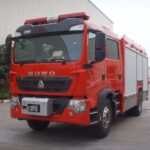
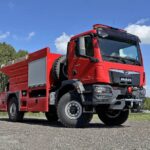
Water tender fire trucks, traditionally designed to transport large volumes of water to areas lacking hydrants, are also becoming increasingly versatile. Many modern water tenders can be equipped with advanced pumping systems, foam systems, and even CAFS technology to expand their operational capabilities.
CSCTRUCK Fire Rescue Truck is a professional manufacturer of firefighting vehicles, offering a comprehensive range of water tenders, foam fire trucks, rescue trucks, CAFS-equipped fire engines, and customized emergency response vehicles. Their product lineup includes both standard water tankers and specialized CAFS fire apparatus designed for municipal, industrial, airport, petrochemical, and wildland firefighting applications. Recent CSCTRUCK Fire Rescue Truck models integrate advanced compressed air foam technology to improve extinguishing efficiency while significantly reducing water consumption.
What Is a CAFS System?
A Compressed Air Foam System (CAFS) mixes three primary components:
- Water
- Foam concentrate
- Compressed air
Unlike conventional foam systems that rely solely on water pressure to create foam, CAFS injects compressed air into the foam solution, producing uniform, high-quality foam bubbles.
The resulting foam offers several advantages:
- Greater adhesion to burning surfaces
- Improved heat absorption
- Better penetration into combustible materials
- Longer-lasting foam blanket
- Reduced water runoff
- Lower water damage
These characteristics make CAFS extremely effective for suppressing Class A fires (wood, paper, vegetation) and, when paired with the appropriate foam concentrate, Class B flammable liquid fires.

Can Water Tender Fire Trucks Support CAFS?
The answer is yes.
Many modern water tender fire trucks can support CAFS systems, either as factory-installed equipment or through aftermarket upgrades, provided the truck has the necessary components and sufficient power capacity.
Not every water tender is equipped with CAFS from the factory, since many tenders are intended primarily for water transport. However, manufacturers such as CSCTRUCK Fire Rescue Truck offer water tenders and specialized fire trucks that can be configured with integrated CAFS systems based on operational requirements.
Components Required for CAFS Integration
Adding CAFS to a water tender requires more than simply installing an air compressor. The complete system typically includes:
Fire Pump
A reliable centrifugal fire pump provides the water flow needed for foam production. Modern water tenders often feature pumps ranging from 1,500 to over 6,000 L/min, depending on vehicle size.
Foam Proportioning System
The foam proportioner accurately injects foam concentrate into the water stream, maintaining the correct concentration for different fire classes.
Air Compressor
The compressor delivers compressed air at controlled pressure and volume, producing consistent, high-quality foam.
CAFS Mixing Chamber
Inside the CAFS unit, water, foam solution, and compressed air are thoroughly blended before reaching the hose line.
Electronic Control System
Modern CAFS installations include computerized controls that automatically regulate:
- Foam percentage
- Air pressure
- Water flow
- Pump speed
- System diagnostics
This automation simplifies operation while improving foam consistency.

Advantages of CAFS on Water Tender Fire Trucks
Superior Fire Suppression
CAFS foam clings to burning materials rather than running off like water.
This allows:
- Faster cooling
- Better oxygen isolation
- Reduced flame spread
- Improved knockdown performance
Significant Water Savings
One of CAFS’s greatest benefits is reduced water consumption.
Compared with traditional water streams, CAFS often uses substantially less water while maintaining effective fire suppression. This is especially valuable for rural operations where water supplies are limited.
Extended Water Supply
Because less water is required, a water tender equipped with CAFS can remain operational longer before needing to refill.
This is particularly beneficial during:
- Rural fires
- Wildland fires
- Large industrial incidents
- Remote emergency responses
Reduced Water Damage
Traditional firefighting often causes significant property damage through excessive water application.
CAFS minimizes runoff while maintaining excellent cooling performance, reducing damage to:
- Buildings
- Equipment
- Documents
- Electronics
Improved Hose Handling
CAFS-filled hose lines are generally lighter and easier to maneuver because compressed air displaces some of the water within the hose.
Firefighters experience:
- Less nozzle reaction
- Reduced fatigue
- Faster deployment
- Improved mobility
Ideal Applications
Water tenders equipped with CAFS perform exceptionally well in numerous firefighting scenarios.
Rural Fire Departments
Many rural departments rely heavily on water tenders due to limited hydrant infrastructure.
CAFS allows them to maximize each load of transported water while increasing suppression efficiency.
Wildland Firefighting
Wildland fires demand efficient use of limited water.
CAFS creates foam that adheres to vegetation and provides longer-lasting protection than plain water, making it valuable for direct attack and exposure protection.
Municipal Support
Even in cities with hydrants, CAFS-equipped water tenders can provide supplemental foam capability during:
- Warehouse fires
- Large commercial fires
- High-rise incidents
- Mutual aid responses
Industrial Facilities
Facilities handling fuels, chemicals, or hazardous materials often benefit from CAFS because it delivers both efficient cooling and foam coverage.

Are There Any Limitations?
Although CAFS provides many benefits, departments should consider several factors before installation.
Higher Initial Cost
CAFS equipment includes:
- Air compressor
- Foam system
- Control electronics
- Additional plumbing
This increases the vehicle’s purchase price compared to a conventional water tender.
Additional Maintenance
Routine maintenance is essential for:
- Compressors
- Foam pumps
- Air lines
- Control systems
- Foam tanks
Proper maintenance ensures reliable performance and extends equipment life.
Training Requirements
Firefighters must learn:
- Foam selection
- CAFS operation
- Pressure management
- Maintenance procedures
- Tactical application techniques
Training ensures the system is used safely and effectively.
CSCTRUCK Fire Rescue Truck CAFS Solutions
CSCTRUCK Fire Rescue Truck manufactures several CAFS-equipped firefighting vehicles for a wide range of emergency applications.
Their CAFS product portfolio includes:
- Water and foam fire trucks
- CAFS municipal pumpers
- Industrial firefighting vehicles
- Rescue fire trucks with integrated CAFS
- Custom emergency response vehicles
Many models combine large water tanks, foam tanks, powerful fire pumps, and integrated compressed air foam systems, enabling rapid suppression with lower water consumption and improved operational efficiency. Depending on customer requirements, CSCTRUCK Fire Rescue Truck can configure different tank capacities, pump outputs, foam systems, and CAFS equipment for municipal, airport, industrial, petrochemical, and wildland firefighting operations.

Conclusion
Water tender fire trucks can indeed support Compressed Air Foam Systems (CAFS), provided they are properly designed or upgraded with the necessary equipment. Integrating CAFS transforms a water tender from a simple water transport vehicle into a highly capable firefighting apparatus that delivers superior fire suppression while conserving water and reducing property damage.
For departments operating in rural areas, industrial sites, airports, or regions where water supplies are limited, CAFS-equipped water tenders offer significant operational advantages. With advanced engineering and customizable solutions, manufacturers such as CSCTRUCK Fire Rescue Truck provide modern water tenders and CAFS fire trucks that help fire departments improve firefighting effectiveness, increase operational flexibility, and enhance firefighter safety.