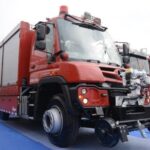
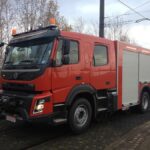
The newly upgraded self-expansion mobile command center represents a significant step forward in both operational convenience and efficient space utilization. Designed with the needs of emergency response teams in mind, it introduces a range of improvements that make it more functional, reliable, and comfortable in the field. From its advanced hydraulic deployment system to its integrated intelligent control features, every detail has been engineered to reduce workload, accelerate setup, and enhance coordination during critical operations.
One of the most notable advancements lies in its deployment mechanism. The cabin is now equipped with a one-touch full-hydraulic control system, which allows the entire structure to be deployed quickly and with minimal effort. In situations where time is of the essence—such as natural disasters, hazardous material incidents, or major accidents—this rapid setup capability ensures that command functions can be established almost immediately. By automating the process, it not only improves operational efficiency but also dramatically reduces labor demands and time costs, enabling personnel to focus on their core tasks.
Equally impressive is the foldable floor design. Once unfolded, the floor expands the available interior space, creating a significantly larger area for meetings, briefings, and collaborative discussions. This thoughtful design directly addresses one of the traditional limitations of mobile command units: Restricted working space. With the expanded floor area, the cabin can accommodate more people comfortably, making it easier for commanders to coordinate teams, hold on-site strategy sessions, and manage scheduling in a structured and efficient way.
The integration of intelligent technology further sets this command cabin apart. At its heart is a voice-based centralized control system, which allows commanders to issue instructions and operate equipment using natural voice commands. This innovation streamlines workflows by reducing the need for manual input and complex interfaces. In high-pressure emergency environments, this kind of hands-free operation is invaluable, as it allows personnel to devote more energy to analyzing information, making decisions, and directing resources rather than dealing with technical details.
Beyond functionality, the self-expansion mobile command center also demonstrates outstanding craftsmanship and attention to quality. Its body is manufactured using fixed molds, ensuring a high degree of precision and durability. This robust construction provides excellent resistance to rain, wind, and sand, making the cabin highly adaptable to diverse and often harsh environments. Whether deployed in remote rural areas, industrial sites, or disaster-stricken urban centers, it can continue to operate reliably and securely. The interior floor features a finger-joint structure that produces a smooth, seamless finish, while the carefully chosen interior decorations create a comfortable and professional working environment. These design choices contribute not only to efficiency but also to the well-being of emergency personnel, helping to alleviate fatigue during extended operations.
Perhaps the most significant achievement of this upgraded model is its functional expansion. More than just a mobile workspace, it has evolved into a fully capable “mobile command post.” It integrates multiple roles, including on-site information gathering, communication command, and emergency support. For example, it can rapidly collect images and data from the field, transmit them through stable communication links, and synchronize information with rear command centers. This seamless flow of data ensures that decision-makers have accurate, real-time insights, enabling precise allocation of resources and faster, more effective responses.
Looking ahead, the self-expansion mobile command center is expected to become an essential asset in the fields of emergency management and public safety. Its ability to combine rapid deployment, intelligent control, durable construction, and multifunctional support makes it a versatile platform for dealing with complex emergencies. Whether responding to natural disasters, industrial accidents, or public health crises, it provides comprehensive support that strengthens command efficiency and ensures that critical missions can be carried out effectively. In this sense, the command cabin is more than just a vehicle—it is a vital tool for safeguarding communities and maintaining social security in an increasingly unpredictable world.